








What's Happening?
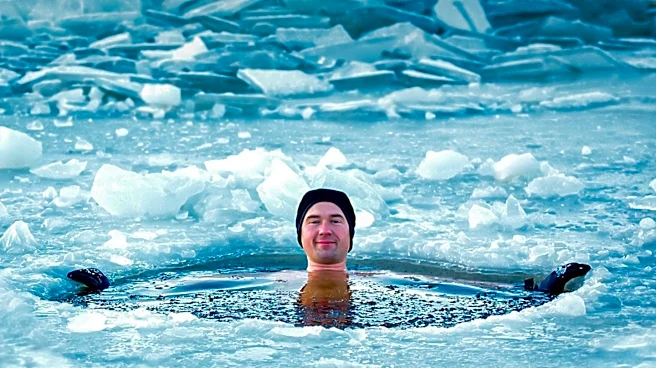
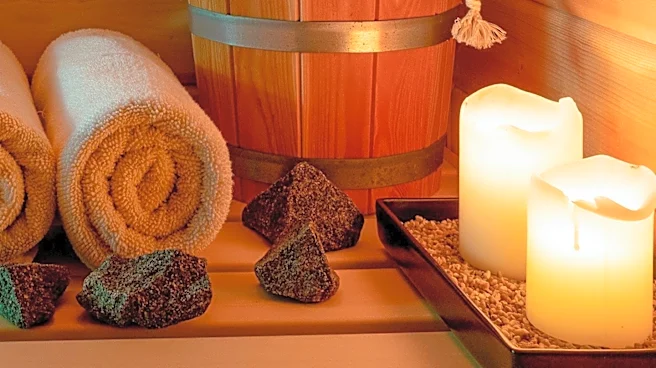
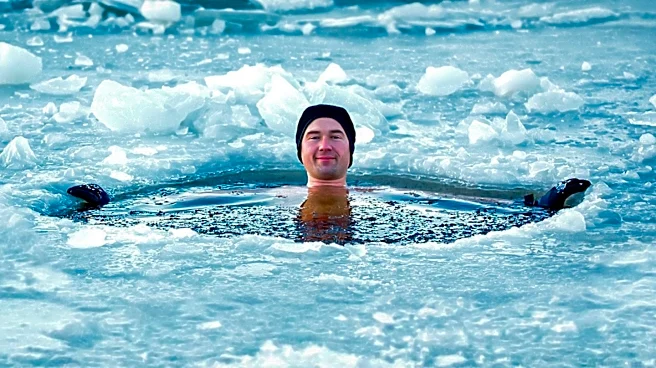
The combination of sauna and cold plunge, often referred to as contrast therapy, is gaining significant attention in the U.S. wellness community. This practice involves alternating between heat exposure in a sauna and cold water immersion. During a sauna session,
the body's blood vessels widen, heart rate increases, and sweating begins to cool the body. Conversely, a cold plunge causes blood vessels to narrow, activates the sympathetic nervous system (fight or flight response), and forces the body to work harder to maintain core temperature. This alternating exposure creates a 'vascular workout' as blood vessels repeatedly widen and narrow. While individual experiences vary, many report feeling clear, refreshed, and energized after contrast therapy. Cold plunging specifically activates the sympathetic nervous system, releases stress hormones like noradrenaline, and can provide a short-term mood boost, making individuals feel more active and alert. It also supports post-exercise recovery by temporarily slowing sensory nerve signals and reducing blood flow in muscles, which may alleviate soreness.
Why It's Important?
The increasing popularity of contrast therapy in the U.S. reflects a growing interest in holistic wellness practices that challenge the body in controlled ways. This approach offers potential benefits for both physical recovery and mental well-being, making it relevant to athletes, fitness enthusiasts, and individuals seeking stress reduction. The 'vascular workout' aspect of alternating temperatures may contribute to improved circulation and resilience. For businesses in the wellness industry, offering sauna and cold plunge services can attract a broader clientele and provide a competitive edge. However, it's crucial to acknowledge that while cold plunging can reduce perceived muscle soreness, immediate cold immersion after strength training might hinder muscle growth by blunting the body's natural inflammatory response necessary for adaptation. Therefore, understanding the timing and individual goals is vital. Moreover, the practice places demands on the cardiovascular system, necessitating caution and medical consultation for individuals with pre-existing conditions, underscoring the importance of responsible implementation and client education.
What's Next?
As contrast therapy becomes more mainstream, further scientific research is anticipated to fully understand its long-term physiological and psychological effects. This will likely lead to more refined guidelines on optimal temperatures, durations, and frequency for various health goals and individual profiles. Wellness centers and spas are expected to expand their offerings, potentially integrating personalized contrast therapy protocols. There may also be an increase in at-home solutions, such as portable saunas and cold plunge tubs, making these practices more accessible. Educational initiatives will be crucial to inform the public about the benefits, risks, and best practices, particularly for individuals with underlying health conditions. The 'Søberg Principle,' which advocates for natural rewarming after a cold plunge to enhance thermogenesis, may also gain wider recognition and adoption, influencing how contrast therapy is practiced and recommended.
Beyond the Headlines
The embrace of contrast therapy signifies a broader societal trend towards intentional discomfort and hormesis – the idea that small, beneficial stressors can lead to greater resilience. This practice taps into ancient traditions of hot and cold exposure, recontextualized for modern wellness. Beyond the physiological benefits, the mental challenge of enduring extreme temperatures can foster discipline, mindfulness, and a sense of accomplishment, contributing to mental fortitude. The social media buzz around cold plunging and saunas also highlights the influence of wellness trends on public health behaviors, sometimes outpacing scientific consensus. This raises questions about the balance between anecdotal experience and evidence-based practice. As these therapies become more prevalent, there will be an ongoing need to distinguish between genuine health benefits and marketing hype, ensuring that individuals make informed decisions about their wellness routines and prioritize safety.