






What's Happening?
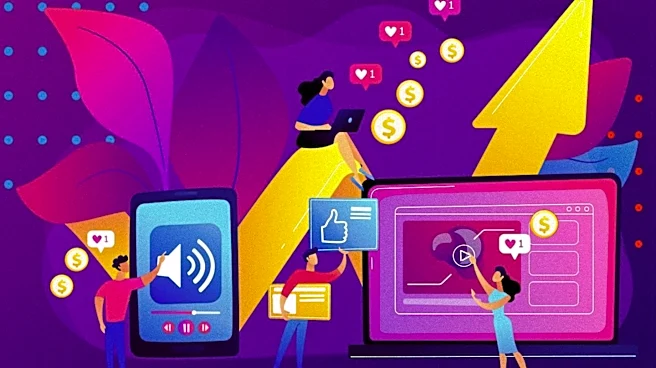
Brands are increasingly leveraging various types of influencers to amplify their college campus campaigns, according to a special report on campus experiential marketing. The strategy involves partnering with brand ambassadors, student ambassadors, creators,
and celebrity talent to maximize impact. Micro-influencers are noted for their significant pull among students due to their credibility and peer-to-peer influence. Companies like American Eagle utilize micro-influencers for events such as RushTok, finding their content more energetic and authentic. Additionally, structured campus ambassador networks, such as Poppi University and SheaMoisture’s Shea Student Council, are thriving, often being highly competitive. These programs task student ambassadors with hosting on-campus events, creating social media content, and providing authentic insights into campus life. Some brands, including Sephora and Urban Outfitters, also bring celebrities and mega-influencers to campus for events, offering personalized guidance, live music performances, and unique experiences.
Why It's Important?
This trend signifies a crucial shift in how brands engage with the college demographic, recognizing the power of authentic peer-to-peer recommendations over traditional advertising. The emphasis on micro-influencers and student ambassador networks highlights a strategic move towards building genuine connections within specific campus communities, which can lead to higher engagement and brand loyalty. For students, these programs offer opportunities for paid work, leadership development, networking, and access to exclusive brand events, addressing the growing difficulty of finding internships. For brands, it provides a cost-effective and highly targeted way to penetrate the college market, influencing purchasing decisions and shaping brand perception among a key consumer group. The competitive nature of these ambassador programs also reflects the high demand among students for such opportunities, making them valuable platforms for both personal and professional growth.
What's Next?
The reliance on influencer partnerships for college campus campaigns is expected to grow, with brands likely to further refine their strategies to identify and engage the most effective influencers. This could lead to more sophisticated tracking and measurement of campaign effectiveness, as well as increased investment in training and supporting student ambassadors. The competitive landscape for student ambassador programs will likely intensify, potentially leading to more structured and formalized recruitment processes. Brands may also explore new platforms and content formats to reach college students, adapting to evolving social media trends. The integration of celebrity and mega-influencers will continue, particularly for larger-scale events, but the foundational role of micro-influencers and student networks in fostering authentic connections will remain paramount.
Beyond the Headlines
The rise of influencer marketing on college campuses reflects broader societal trends in digital communication and consumer behavior, where authenticity and peer validation often outweigh traditional marketing messages. This approach raises ethical considerations regarding transparency in endorsements and the potential for commercialization of student life. As students become brand representatives, there's a subtle blurring of lines between personal expression and corporate promotion. Furthermore, the competitive nature of these programs, as seen with Poppi University being 'harder to get into than Harvard,' highlights the economic pressures on students and their willingness to engage in brand advocacy for financial and professional benefits. This trend could shape future career paths for students, emphasizing digital literacy and personal branding as valuable skills beyond traditional academic achievements.