







What's Happening?
New Balance, an American sportswear and footwear brand established in 1906 by William J. Riley in Boston, continues to be a prominent player in the fashion and athletic wear industry. The company is known for its blend of functionality and fashion, offering
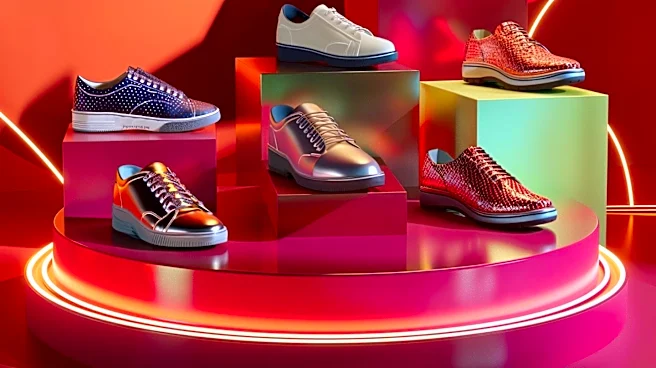
a wide range of sneakers that prioritize both style and comfort. Their product line includes various models, such as the New Balance 2002R, which features dynamic overlays, a modern silhouette, and a mesh upper for breathability. The brand incorporates advanced cushioning technologies like ACTEVA LITE and ABZORB SBS in the heel for comfort and shock absorption, along with an N-ergy outsole and Stability Web technology for support. New Balance aims to provide sneakers that cater to individuals seeking a combination of comfort, performance, and contemporary style for daily wear and various activities.
Why It's Important?
New Balance's continued presence and innovation in the athletic footwear and apparel market are significant for several reasons. As an American-founded company with a long history, it contributes to the national economy and maintains a competitive edge against global brands. Its focus on blending style with advanced comfort technologies influences consumer trends in sportswear, pushing other brands to innovate in similar areas. The brand's commitment to both aesthetics and ergonomic design impacts consumer choices, particularly for those seeking versatile footwear that can transition from athletic activities to casual wear. Furthermore, New Balance's diverse product range ensures that a broad spectrum of consumers, from athletes to fashion-conscious individuals, can find suitable options, thereby sustaining its market share and influence in the U.S. retail landscape.
What's Next?
New Balance is expected to continue its strategy of combining classic designs with modern technological advancements in its footwear and apparel lines. The brand will likely introduce new models and update existing ones, focusing on enhanced comfort, durability, and style to meet evolving consumer demands. Future developments may include further integration of sustainable materials and manufacturing processes, aligning with broader industry trends and consumer preferences for environmentally conscious products. The company will also likely maintain its strong marketing presence, potentially collaborating with influencers or athletes to promote its latest offerings and reinforce its brand image. Expansion into new markets or strengthening its position in existing ones through strategic retail partnerships and e-commerce initiatives are also probable next steps for New Balance.
Beyond the Headlines
Beyond its immediate product offerings, New Balance represents a broader narrative of enduring American entrepreneurship and adaptation in a highly competitive global market. Its longevity since 1906 speaks to its ability to evolve with changing fashion trends and technological advancements while maintaining a core identity focused on quality and comfort. The brand's success also highlights the cultural significance of sneakers as more than just athletic gear; they have become a staple in everyday fashion and a symbol of personal style. New Balance's commitment to innovation in cushioning and support technologies underscores the ongoing scientific advancements in footwear design, aiming to improve foot health and overall user experience. This blend of heritage, innovation, and cultural relevance positions New Balance as a significant case study in the intersection of business, fashion, and consumer lifestyle.