







What's Happening?
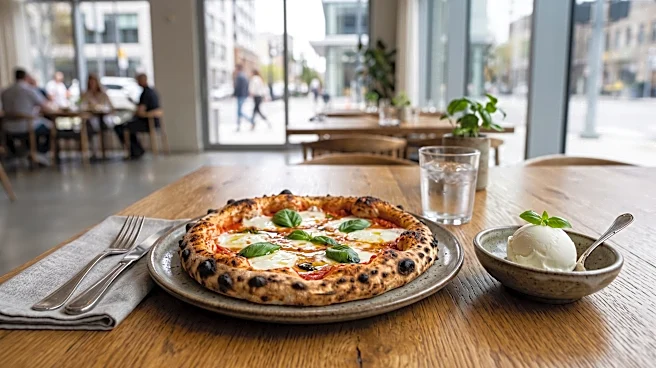
The Twin Cities restaurant landscape experienced significant changes in October, with numerous establishments opening, closing, or announcing future plans. New openings include Picco Pizza + Gelateria, Sushi By Baaska, Cultured Crust, Sweet Joon, Vuka
Flame Grilled Peri-Peri Chicken, Taizo, Plaza del Sol, Mandalay Kitchen (reopened), Savory Bake House (reopened), and Lowboy Coffee Bar. Concurrently, several restaurants ceased operations or announced closures, such as Scott Ja-Mama’s, Xelas, The Loop (St. Louis Park and North Loop locations), Pimento on the Lake, Aster House (transitioned to event space), and Potluck. Looking ahead, new ventures like Stone Phin, Revival, PopUp Bagels, Momo Sushi, Front Porch Pies, Tony Cu's, and France 44's expansion are anticipated. Additionally, projects like Mixed Culture Brewing, Evergreen Cafe, Sandwich Club, Parcelle Organics, Bevvie Minneapolis, The Familiar on Grand, Bar Mario, Tender Lovin' Chix, Clementine, Arch and River, a new Milly’s Wine Bar venture, Smith Coffee and Cafe, Jujube, Mike’s Red Tacos, Bellecour No. 3, Fold, Americano, Blue in Green Bistro, Namos Restaurant and Lounge, a Billy Sushi x NOLO Kitchen Concept, ŠHOTÁ Indigenous BBQ by Owamni, Marrone’s, a Downtown Food Hall, Gambino’s Coal Fired Pizza, and Bubble Line Brewery are in various stages of development.
Why It's Important?
The dynamic shifts in the Twin Cities restaurant industry reflect broader economic trends and evolving consumer preferences. The influx of new establishments, ranging from specialized coffee shops and bakeries to diverse culinary experiences like Japanese, South African, and Indigenous BBQ, indicates a vibrant and competitive market. This expansion creates new job opportunities and contributes to the local economy, offering residents and visitors a wider array of dining options. Conversely, the closures highlight the challenges faced by businesses in the hospitality sector, including financial pressures, changing ownership, and the need to adapt to market demands. The transition of some venues, like Aster House becoming an event space, demonstrates businesses seeking alternative revenue streams. The planned opening of a large downtown food hall and the expansion of chains like Mike’s Red Tacos suggest a belief in continued growth and a desire to cater to diverse tastes and dining formats.
What's Next?
The coming months will see the realization of many announced projects, with several establishments planning to open in November and December, and others in early 2027. The return of Revival with two locations and the expansion of France 44 with a bakery and espresso bar are notable developments. The anticipated opening of Stone Phin in January and the ongoing progress of Mixed Culture Brewing, Evergreen Cafe, and Sandwich Club will further shape the local dining scene. The fate of Sisyphus Brewing, facing a lease non-renewal, remains uncertain, potentially leading to a relocation. The development of a 30,000-square-foot food hall in downtown Minneapolis could significantly impact the area's dining and entertainment landscape. These ongoing changes will likely continue to foster a competitive environment, encouraging innovation and adaptation among restaurateurs to attract and retain customers.
Beyond the Headlines
The rapid turnover in the Twin Cities restaurant scene points to underlying shifts in urban development and consumer behavior. The emergence of specialized concepts, such as vegan bakeries, dirty soda shops, and Indigenous BBQ, reflects a growing demand for unique and niche culinary experiences. The closure of long-standing establishments like Scott Ja-Mama’s after 35 years underscores the challenges of maintaining relevance in a fast-evolving market. The legal issues faced by Pimento on the Lake highlight the financial vulnerabilities within the industry. The planned downtown food hall, with its extensive seating, diverse offerings, and recreational amenities like pickleball, suggests a move towards experiential dining and multi-functional spaces that cater to a broader range of social activities beyond just eating. This trend indicates a broader cultural shift towards integrated leisure and dining experiences in urban centers.