


What's Happening?
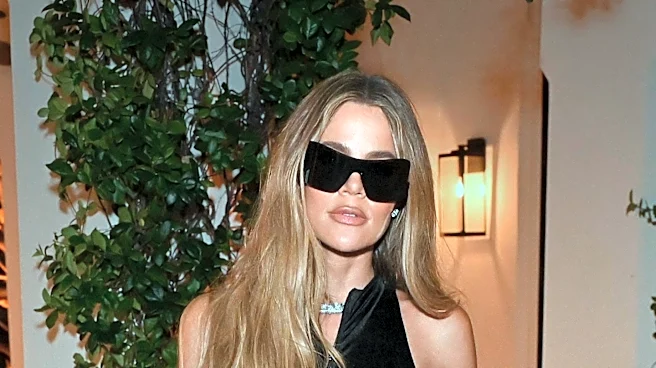
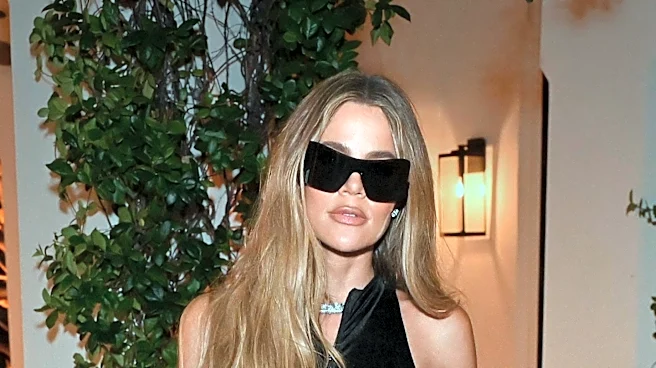
In a recent episode of her podcast, 'Khloé in Wonder Land,' Khloé Kardashian discussed the concept of demisexuality with close family friend Simon Huck. Huck, who had previously discussed the term with his therapist, defined demisexuality as the inability
to form romantic or intimate relationships without first establishing a strong emotional connection. Kardashian, after admitting she had never had a one-night stand, questioned if she might identify as demisexual. This conversation brought demisexuality back into the mainstream media spotlight, with the discussion emphasizing that demisexuality is a sexual orientation, not merely a preference or a choice to delay intimacy. The episode clarified that demisexual individuals can recognize physical attractiveness but do not experience sexual attraction until a meaningful emotional bond is formed.
Why It's Important?
This public discussion by a prominent figure like Khloé Kardashian is significant for increasing awareness and understanding of demisexuality. By openly exploring this sexual orientation, it helps to normalize and destigmatize experiences that fall outside traditional understandings of attraction. For individuals who identify as demisexual, this exposure can provide validation and foster a sense of community. It also educates a broader audience about the diversity of human sexuality, moving beyond binary definitions and highlighting the importance of emotional connection in relationships for some individuals. This conversation contributes to a more inclusive dialogue around sexual identity, potentially encouraging more people to explore and understand their own unique experiences of attraction.
What's Next?
The conversation on Khloé Kardashian's podcast is likely to spark further discussions and research into demisexuality within popular culture and online communities. Increased awareness may lead to more individuals identifying with the term and seeking resources or support groups. Therapists and relationship counselors might see a rise in clients exploring their own sexual orientations, including demisexuality. Media outlets and educational platforms could also expand their coverage of diverse sexual identities, contributing to a more nuanced public understanding. This trend could encourage other public figures to share their experiences, further broadening the conversation and reducing stigma associated with less commonly understood sexual orientations.
Beyond the Headlines
The discussion around demisexuality, particularly when amplified by public figures, has deeper implications for societal norms regarding relationships and intimacy. It challenges the prevalent cultural emphasis on immediate physical attraction and casual encounters, suggesting that for a significant portion of the population, emotional depth is a prerequisite for sexual interest. This shift in perspective could influence dating apps and social platforms to incorporate features that prioritize emotional connection over superficial attributes. Furthermore, it encourages a more empathetic and inclusive approach to understanding human relationships, moving away from rigid expectations and embracing the spectrum of how individuals experience attraction and form bonds. This broader understanding can foster healthier and more fulfilling relationships by acknowledging diverse needs and preferences.