
What's Happening?
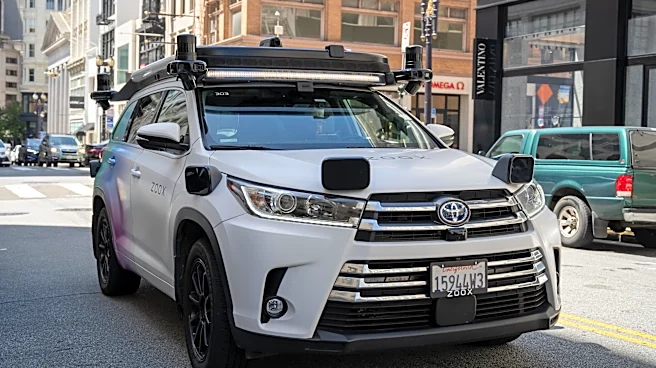
The global autonomous last-mile delivery market is experiencing significant growth, with projections indicating it will reach $5.1 billion by 2030. This expansion is driven by a compound annual growth rate
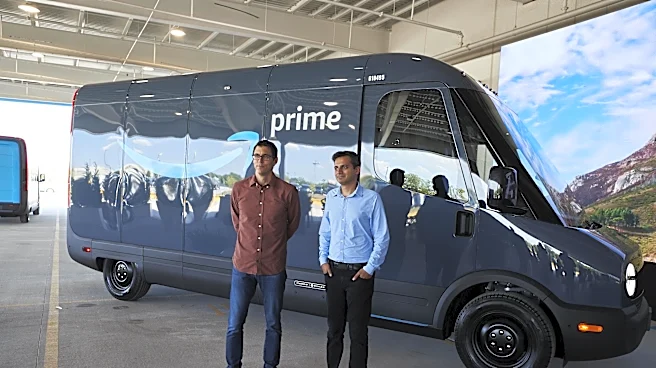
(CAGR) of 25.0%. Key factors contributing to this growth include the increasing deployment of autonomous delivery fleets, a rise in regulatory approvals for autonomous operations, and greater investment in smart-city logistics infrastructure. Additionally, there is a growing demand for low-emission transportation solutions. The market is also benefiting from increased automation across various sectors such as healthcare, grocery, restaurant, and general food delivery operations. Historically, the market's growth has been supported by the surge in e-commerce logistics, the rising need for urban delivery services, escalating last-mile delivery costs, advancements in autonomous navigation technologies, and the broader implementation of autonomous delivery pilot programs. Companies like Amazon, DHL, Starship Technologies, Nuro, and Flytrex are actively scaling their fleets to capitalize on these trends.
Why It's Important?
This projected growth signifies a major shift in logistics and delivery services, impacting U.S. industries, public policy, and economic stakeholders. The expansion of autonomous delivery fleets offers potential solutions to persistent challenges such as labor shortages, rising operational costs, and the demand for faster, more efficient delivery options, particularly in densely populated urban areas. For businesses, adopting these technologies can lead to reduced labor and delivery costs, improved customer satisfaction through quicker fulfillment, and a competitive edge in the e-commerce landscape. Consumers stand to benefit from more convenient and potentially lower-cost delivery services. From a public policy perspective, increasing regulatory approvals for autonomous operations will be crucial, necessitating frameworks that address safety, infrastructure integration, and employment impacts. The push for low-emission transportation also aligns with broader environmental goals, potentially reducing the carbon footprint of delivery services.
What's Next?
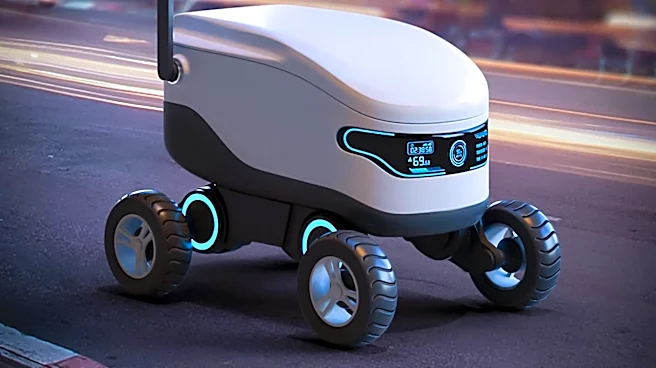
Looking ahead, the autonomous last-mile delivery market is expected to see continued innovation and wider adoption. Key trends include the broader deployment of delivery drones and ground-based delivery robots, alongside an increased use of electric autonomous delivery vehicles. Logistics operators are also anticipated to further implement real-time route optimization technologies to enhance delivery performance, reduce operating costs, and adapt more effectively to dynamic traffic and order conditions. The ongoing demand for contactless delivery solutions will remain a significant area of investment, as businesses seek convenient, efficient, and automated fulfillment options. As e-commerce continues its expansion, the emphasis on same-day and time-sensitive fulfillment will intensify, further accelerating the transition towards automated logistics systems. Regulatory bodies will likely continue to develop and refine guidelines to accommodate these emerging technologies.
Beyond the Headlines
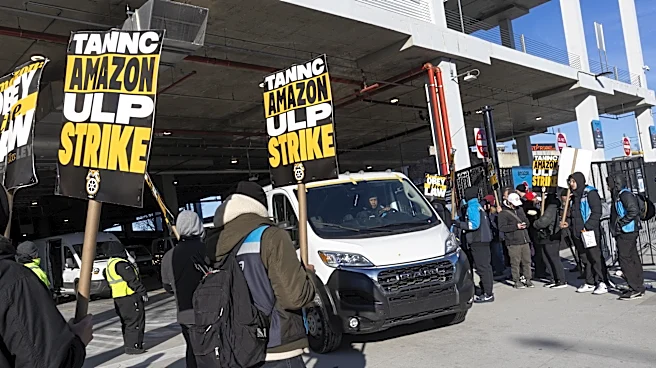
The rapid growth of autonomous last-mile delivery extends beyond mere logistical efficiency, touching upon significant societal and ethical considerations. The increased automation in delivery services could lead to shifts in the labor market, potentially displacing traditional delivery jobs while creating new roles in technology development, maintenance, and oversight of autonomous fleets. This necessitates proactive policy discussions around workforce retraining and economic adjustments. Furthermore, the widespread deployment of delivery robots and drones in urban environments raises questions about public space utilization, noise pollution, and data privacy. The integration of these technologies into smart-city infrastructure will require careful planning to ensure seamless operation and public acceptance. The long-term environmental impact, while generally positive due to electric vehicles, will also need continuous monitoring, especially concerning the manufacturing and disposal of these advanced robotic systems. This evolution represents a fundamental change in how goods move within communities, with implications for urban planning and daily life.