






What's Happening?
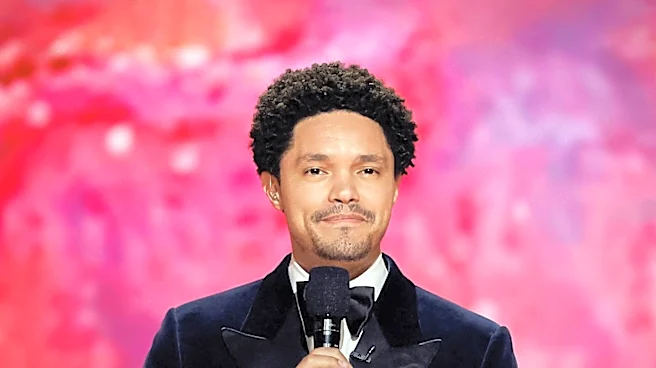
Comedian and TV host Trevor Noah recently spoke at Advertising Week New York, highlighting a significant shift in marketing strategies within the television and streaming industries. Noah emphasized the growing preference among marketers for integrating
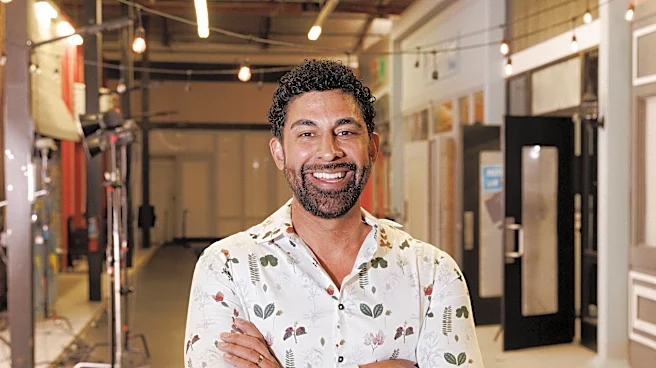
their brands naturally into content through sponsorships and product placements, rather than relying on traditional, interruptive commercials. This trend is seen as a key factor in the increased engagement observed in streaming platforms compared to conventional television. Scott Iason, head of sales for entertainment partnerships at Creative Artists Agency, echoed Noah's sentiments, attributing streaming's higher engagement to this evolving approach to advertising. The discussion underscored how influencers and the broader creator marketplace are increasingly central to modern media, influencing how brands connect with audiences.
Why It's Important?
This shift in advertising strategy, as discussed by Trevor Noah, is crucial for the U.S. entertainment and advertising industries. It signifies a move away from the often-skipped traditional commercial breaks towards more subtle and integrated brand messaging. For streaming services, this means potentially higher revenue streams through diverse partnership models and enhanced viewer experience, as content flow is less disrupted. Advertisers stand to gain from increased audience receptiveness and engagement, as product placements and sponsorships can feel more organic and less intrusive. Conversely, traditional television broadcasters may face continued challenges in retaining advertising dollars if they do not adapt to these evolving preferences. The emphasis on the creator marketplace also empowers individual content creators and influencers, making them more valuable assets for brands seeking authentic connections with specific demographics.
What's Next?
The trend towards integrated sponsorships and product placement is expected to continue expanding across U.S. streaming platforms and digital content. This will likely lead to more sophisticated and creative collaborations between brands, content creators, and production studios. We can anticipate further innovation in how products and services are woven into narratives, potentially blurring the lines between entertainment and advertising. Regulatory bodies may also begin to scrutinize these integrated marketing techniques more closely to ensure transparency for consumers. For advertisers, the focus will be on developing authentic and contextually relevant integrations that resonate with audiences, moving beyond overt product pushes. Content creators, in turn, will need to balance creative integrity with commercial partnerships to maintain audience trust.
Beyond the Headlines
The move towards integrated advertising reflects a deeper cultural shift in how consumers interact with media and brands. Younger generations, particularly, are often more resistant to traditional advertising and more receptive to content that feels authentic and personalized. This trend challenges the long-standing economic model of television, which has historically relied on ad breaks. It also raises ethical considerations regarding the transparency of sponsored content and the potential for blurring the lines between editorial and commercial material. The increasing influence of individual creators in this landscape also highlights a democratization of media, where diverse voices can directly engage with audiences and brands, bypassing traditional gatekeepers. This evolution could fundamentally reshape the creative and financial ecosystems of the entertainment industry.