






What's Happening?
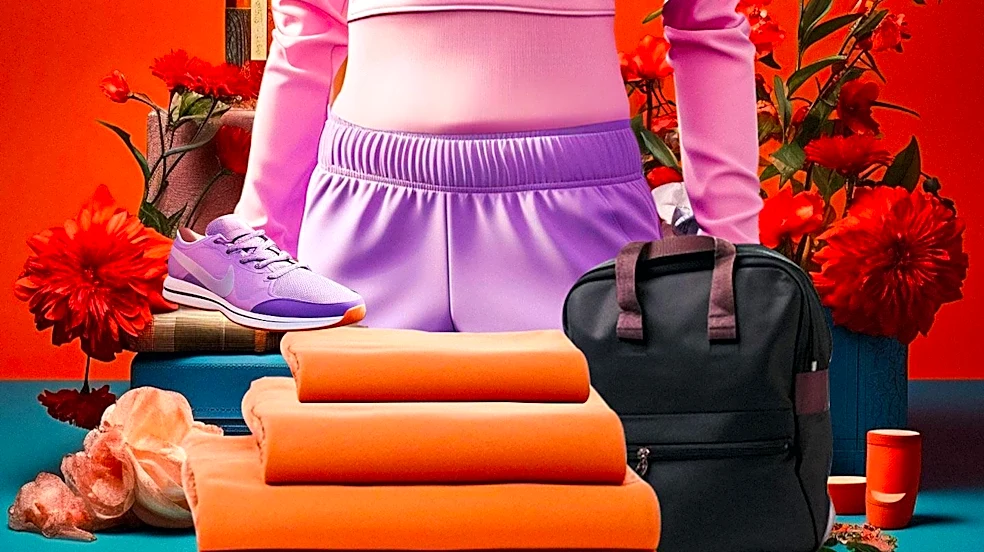
The fashion industry is increasingly incorporating body positivity into its designs, with a growing emphasis on comfort and inclusivity. Designers are creating clothing that moves with the wearer and accommodates diverse body types. Brands like FITH are specifically
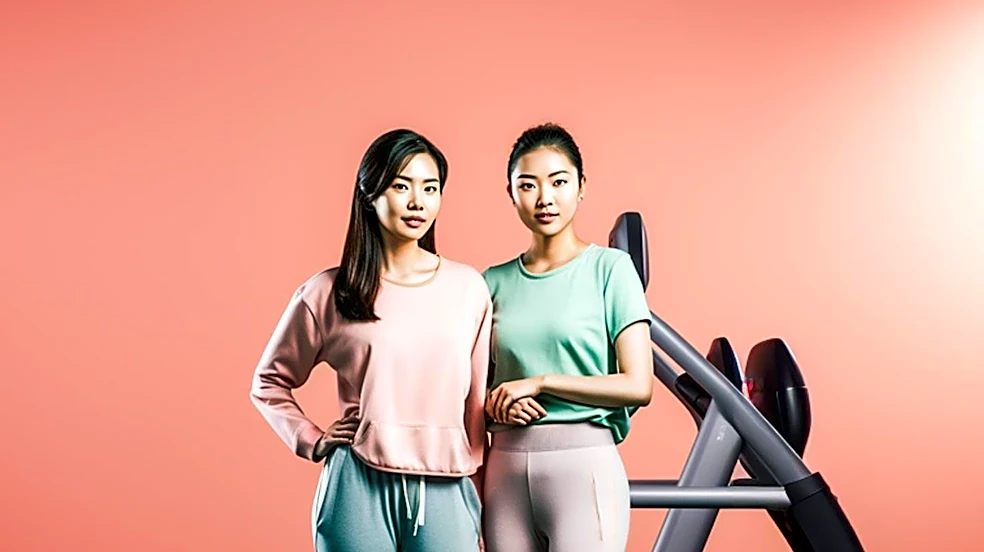
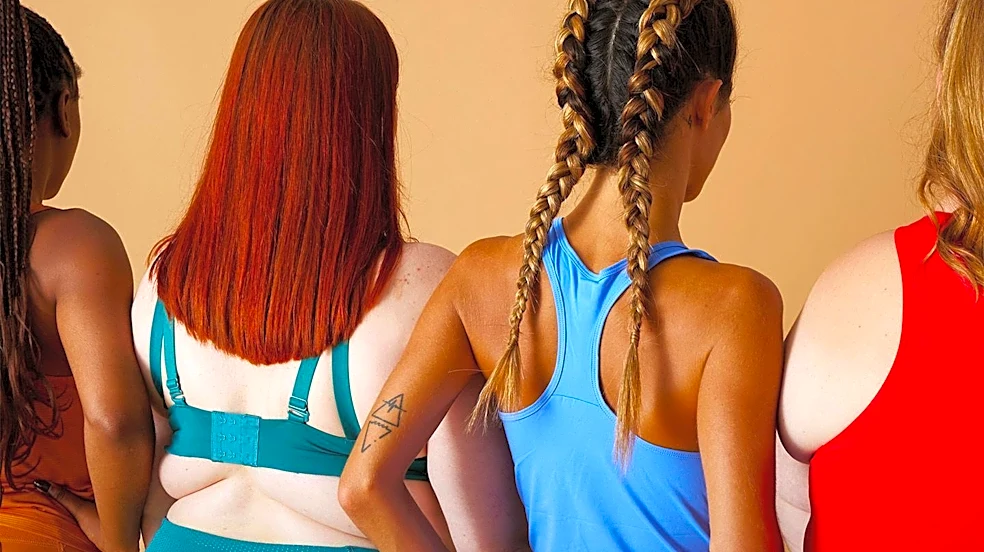
catering to this demand by offering modest, coverage-focused activewear with inclusive sizing and high-quality fabrics. Aerie (American Eagle) is also noted for its budget-friendly body positivity approach, featuring inclusive sizing and representation in its marketing. This shift reflects a broader understanding that fitness and fashion should be accessible and comfortable for everyone, moving away from restrictive beauty ideals. The focus is on how clothes feel and fit across different body types, rather than adhering to fleeting fashion trends.
Why It's Important?
This movement towards body positivity in fashion holds significant importance for U.S. consumers and the retail industry. For consumers, it means greater access to comfortable, well-fitting clothing that celebrates their natural body shapes, potentially boosting self-confidence and promoting healthier body image. For the fashion industry, it represents a crucial adaptation to evolving consumer demands and societal values. Brands that embrace body positivity through inclusive sizing, thoughtful coverage, and diverse marketing are likely to gain market share and customer loyalty. Conversely, brands that fail to adapt risk alienating a significant portion of the consumer base. This trend also encourages innovation in fabric technology and design to create garments that are both functional and flattering for a wider range of body types, impacting manufacturing and supply chain decisions.
What's Next?
The trajectory suggests a continued expansion of body-positive offerings across various segments of the fashion industry. More brands are expected to introduce inclusive sizing ranges, diverse marketing campaigns, and designs that prioritize comfort and movement. There will likely be increased competition among brands to demonstrate genuine commitment to body positivity, moving beyond mere marketing slogans to tangible product development. Consumers will continue to demand transparency and authenticity from brands regarding their inclusivity efforts. This could lead to new industry standards for sizing, fit, and representation, potentially influencing fashion education and design curricula. The emphasis on comfort and versatility in clothing, allowing pieces to transition from activewear to everyday wear, is also likely to grow.
Beyond the Headlines
The embrace of body positivity in fashion extends beyond mere aesthetics; it reflects a deeper cultural shift towards self-acceptance and inclusivity. This movement challenges long-standing, often unrealistic, beauty standards perpetuated by the fashion industry, fostering a more diverse and accepting societal view of the human body. Ethically, it promotes a more responsible approach to marketing and design, moving away from practices that could contribute to body image issues. Legally, while not directly regulated, consumer demand for inclusivity could indirectly influence anti-discrimination discussions in advertising and retail. Culturally, it empowers individuals to prioritize their comfort and well-being over external pressures, contributing to a more positive and authentic relationship with fashion and personal style.