





What's Happening?
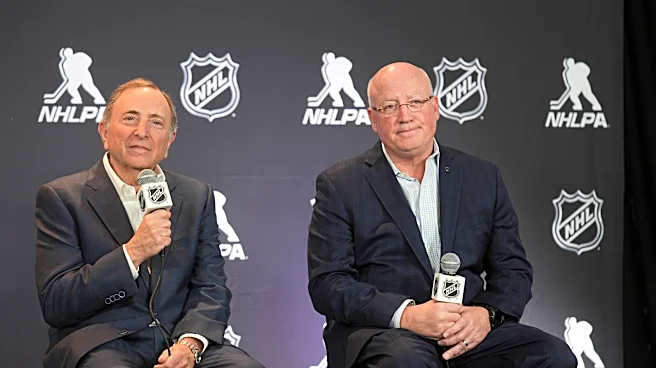
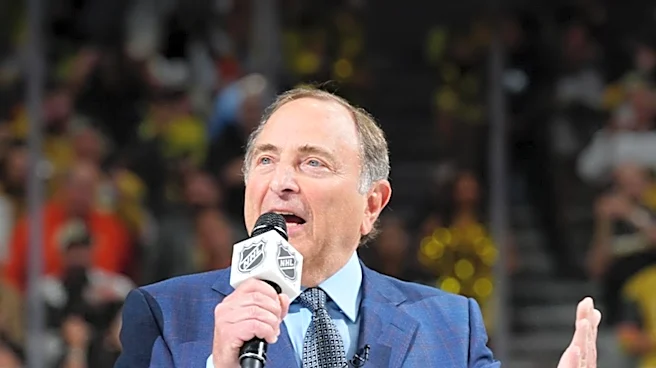
NHL Commissioner Gary Bettman and Deputy Commissioner Bill Daly recently provided an update on the league's potential expansion for a 33rd franchise. Following a board of governors meeting in New York, Bettman stated that "no decisions whatsoever were
made on NHL expansion." This comes after earlier discussions in June regarding billionaire Dan Friedkin and his family's proposal to bring a team to either Houston or Austin. Deputy Commissioner Daly confirmed there is no firm deadline for a decision on the Friedkin Group's proposal, though an initial six-month timeline suggested a decision might align with the next board of governors meeting in December. Any expansion would require approval from three-quarters of the league's 32 current owners. The proposed deal with the Friedkin Group involves a substantial $3.5 billion commitment, including $2 billion for the expansion fee and $1.5 billion for a new arena. The Friedkin Group is still evaluating potential arena locations in both Houston and Austin, with no preferred city yet identified.
Why It's Important?
The potential expansion of the NHL to a 33rd franchise carries significant implications for the league's economic landscape and geographic footprint. A $3.5 billion investment, comprising a $2 billion expansion fee and $1.5 billion for arena construction, represents a substantial financial boost for the NHL and its existing owners. This influx of capital could be used for various league initiatives, revenue sharing, or to stabilize team finances. The potential entry of a team in Texas, specifically Houston or Austin, would open up a new, large market for the NHL, expanding its fan base and increasing media rights value. This move could also intensify competition for existing teams in the Western Conference, particularly those in the Central Division, by adding another contender. Furthermore, the discussion around expansion highlights the league's ongoing growth strategy and its attractiveness to high-net-worth investors like Dan Friedkin, who already owns stakes in European soccer clubs.
What's Next?
The next significant milestone for the NHL's potential expansion will be the upcoming board of governors meeting in December, which aligns with the initial six-month timeline for evaluating the Friedkin Group's proposal. During this period, the Friedkin Group is expected to finalize its assessment of arena locations in Houston and Austin. The NHL will also likely continue to gauge the sentiment among its current owners, as reports suggest some hesitancy regarding expansion. While Commissioner Bettman indicated the league isn't actively seeking expansion, it will continue to review proposals as they arise, with other cities like Atlanta and Phoenix also expressing interest. A decision on the 33rd franchise, if it proceeds, would require a supermajority vote from the existing owners. If approved, the new team could potentially begin play in the 2029-30 season, marking the third NHL expansion in roughly a decade.
Beyond the Headlines
Beyond the immediate financial and market expansion benefits, the NHL's consideration of a 33rd franchise reflects a broader trend of professional sports leagues seeking to maximize their reach and revenue. The substantial expansion fee underscores the high value placed on owning a professional sports franchise in the U.S., signaling a robust market for sports investments. The league's careful approach, including the evaluation of arena infrastructure and owner sentiment, highlights the complexities of such a significant undertaking. The potential entry into a new market like Texas could also foster new rivalries and fan cultures, enriching the overall NHL experience. However, it also raises questions about competitive balance and the long-term sustainability of rapid expansion. The league's willingness to consider an odd number of teams (33) suggests a pragmatic approach to growth, prioritizing strategic market entry over strict numerical symmetry, which could set a precedent for future expansion considerations.