




What's Happening?
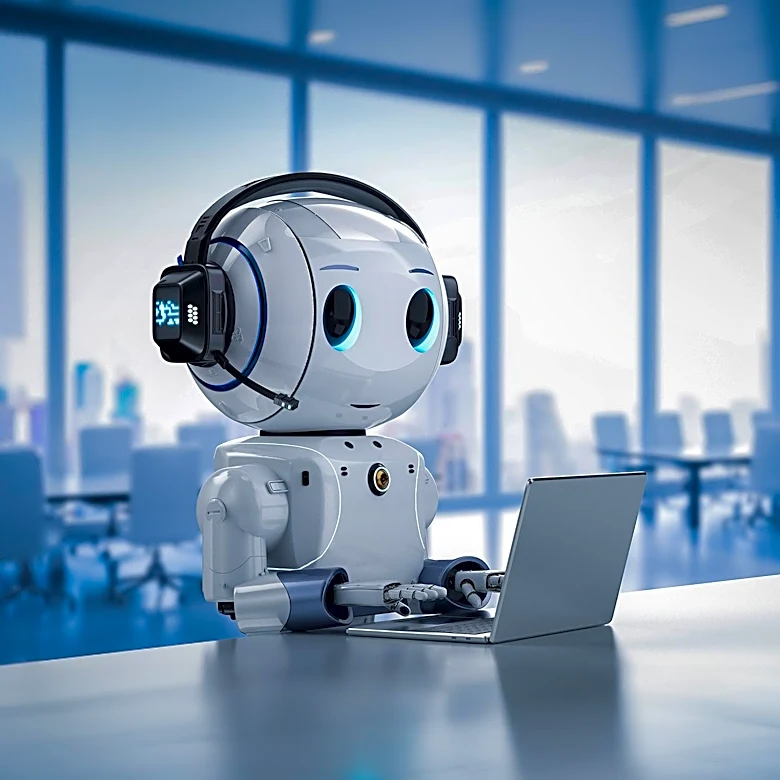
AI copilots are a class of artificial intelligence assistants integrated into existing software to help users complete tasks more efficiently. Unlike autonomous AI agents, copilots work alongside human users, requiring continuous prompts and approval.
They function within the application, using the open document, codebase, or data table as context, eliminating the need for users to copy information or explain background details. Requests are made in plain language, and the copilot responds by drafting text, suggesting code, or recommending actions. The output is a proposal that the user reviews, edits, and approves before it takes effect. This collaborative approach ensures the human user remains responsible for the outcome, making copilots suitable for tasks like writing, coding, brainstorming, and data analysis. The technology aims to speed up work without taking over the decision-making process, providing assistance at the moment it is needed.
Why It's Important?
The integration of AI copilots across various U.S. industries signifies a significant shift in how professionals interact with technology, potentially boosting productivity and efficiency. In healthcare, for instance, copilots can draft consultation notes, discharge summaries, and patient records, reducing the burden of documentation on clinicians and allowing more time for direct patient care. This could alleviate burnout, a prevalent issue in the medical field. In finance, copilots assist analysts with budget modeling and compliance documentation, while in customer support, they summarize case histories and draft replies, freeing agents to handle more complex interactions. The emphasis on human oversight in the copilot model is crucial, especially in sensitive sectors like healthcare, where accuracy and accountability are paramount. This approach mitigates risks associated with fully autonomous AI, ensuring that critical decisions remain in human hands while leveraging AI for information-heavy tasks.
What's Next?
The continued development and adoption of AI copilots are expected to expand their capabilities and integration into more specialized software across various U.S. sectors. Future advancements may focus on refining their contextual understanding and predictive abilities, making their suggestions even more precise and relevant. As the technology matures, there will likely be increased emphasis on user training and best practices to maximize the benefits of copilots while maintaining human control and accountability. Regulatory frameworks may also evolve to address the ethical implications and data privacy concerns associated with AI assistants, particularly in industries handling sensitive information. The ongoing evaluation of their impact on productivity, job roles, and employee well-being will be critical in shaping their future deployment and ensuring a balanced human-AI collaboration.
Beyond the Headlines
The rise of AI copilots presents deeper implications beyond immediate productivity gains, touching upon the evolving nature of work and human-computer interaction. Ethically, the copilot model reinforces human agency, ensuring that AI remains a tool for augmentation rather than replacement, particularly in professions requiring critical judgment and empathy. Legally, the clear delineation of responsibility, where the human user remains accountable for the copilot's output, is vital for liability and compliance. Culturally, the widespread adoption of copilots could lead to a redefinition of professional skills, emphasizing critical thinking, editing, and strategic oversight rather than rote task execution. This shift could foster a more collaborative work environment where humans and AI leverage their respective strengths, potentially leading to innovative solutions and a more efficient, yet human-centric, workforce.