



What's Happening?
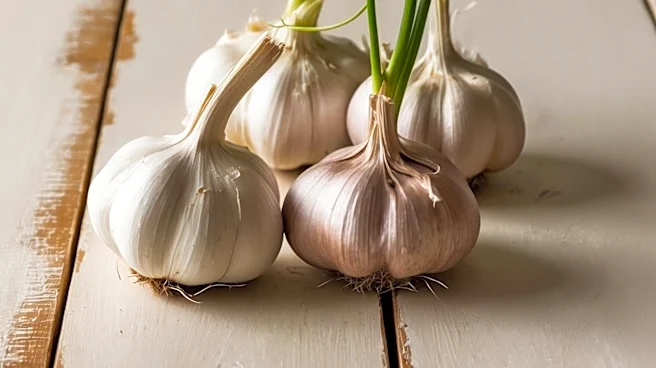
Garlic is experiencing a resurgence in popularity online, with social media users and biohackers touting it as an 'ultimate biohack' for various health benefits, including anti-aging, increased energy, improved digestion, and immune support. Influencers
like Edson Brandao advocate for daily consumption of raw garlic, often mixed with honey, claiming it can 'destroy bad gut bacteria' and 'ignite fat-burning.' Online discussions suggest garlic can lower cholesterol, detox parasites, support heart health, improve insulin sensitivity, clear acne, eliminate brain fog, and even cure colds. However, scientific evidence supporting these broad claims is mixed. While some experts, such as cardiologist Dr. Joel Kahn, recommend aged garlic extract for proven benefits like lowering blood pressure and LDL-cholesterol, and registered dietitian Amy Shapiro highlights its nutritional content (manganese, vitamin B6, vitamin C, selenium, and sulfur compounds like allicin), other claims lack robust scientific backing. Gary Brecka, a biohacker, notes that while meta-analyses show garlic can reduce systolic blood pressure, studies on cholesterol reduction have yielded unimpressive results, with one Stanford University study finding no significant change in cholesterol levels after six months of garlic consumption. Furthermore, claims about cancer prevention are largely unsupported by long-term studies, and some individuals, like longevity expert Dave Asprey, report negative cognitive effects, such as decreased alpha waves, from high-dose garlic intake.
Why It's Important?
The widespread promotion of unverified health claims on social media platforms poses a significant public health concern. While garlic does offer some scientifically supported benefits, the exaggeration of its effects can lead individuals to rely on unproven remedies instead of evidence-based medical treatments. This trend, often termed 'biohacking,' can create a false sense of security or lead to adverse health outcomes if individuals consume large quantities of garlic or use it as a substitute for professional medical advice. For instance, raw garlic in large amounts can cause heartburn, bloating, gas, and bad breath, and its natural blood-thinning properties can increase bleeding risk, especially for those on blood thinners. The disparity between anecdotal online claims and rigorous scientific research highlights the critical need for media literacy and critical thinking when evaluating health information. It also underscores the responsibility of influencers to provide accurate, evidence-based information to their followers, particularly concerning health and wellness.
What's Next?
Consumers are advised to approach online health claims with skepticism and consult healthcare professionals before making significant dietary changes or relying on supplements. For those interested in garlic's benefits, experts recommend crushing or chopping raw garlic and letting it sit for about 10 minutes to maximize the formation of beneficial compounds like allicin, or considering aged garlic supplements within recommended dosages (typically 600-900 milligrams of standardized garlic powder or 1.2-2.4 grams of aged garlic extract daily). However, the combination of garlic and honey, popular online, lacks substantial research. Ultimately, experts emphasize that garlic is not a 'hack' but rather a food that provides beneficial inputs to the body, and it should complement, not replace, fundamental healthy lifestyle practices such as a balanced diet, adequate sleep, and regular exercise. Future research will likely continue to explore the specific mechanisms and efficacy of garlic's various compounds, aiming to provide clearer guidelines for its use in health and wellness.
Beyond the Headlines
The phenomenon of garlic biohacking reflects a broader societal trend towards seeking quick fixes and natural remedies for complex health issues, often driven by a desire for greater control over one's health and a distrust of conventional medicine. This movement is amplified by social media, where personal testimonials can quickly gain traction and overshadow scientific consensus. The allure of 'biohacking' lies in its promise of optimizing human performance and longevity through unconventional means, often blurring the lines between legitimate scientific inquiry and pseudoscientific claims. This situation raises ethical questions about the dissemination of health information online and the potential for harm when individuals self-diagnose and self-treat based on unverified sources. It also highlights the ongoing challenge for the scientific community to effectively communicate complex research findings to the public in an accessible and engaging manner, countering misinformation and promoting evidence-based health practices.