






What's Happening?
The global Functional Food and Beverage Market is experiencing significant growth, with projections indicating it will reach US$1,160.64 billion by 2035, up from US$405.46 billion in 2025, at an 11.09% Compound Annual Growth Rate (CAGR) during 2026-2035.
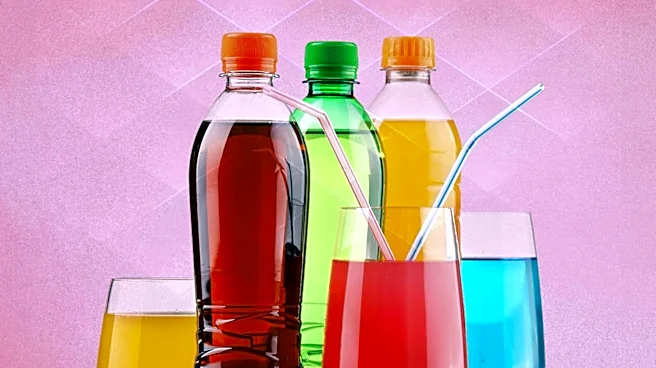
Functional beverages, a key segment of this market, are growing at a CAGR of 7.9%, with stress-supporting drinks leading the charge at 19% annual growth. This expansion is driven by increasing consumer demand for health-conscious options, particularly among Gen Z and millennials, with over 75% of these demographics regularly consuming functional beverages. North America is identified as the fastest-growing region, seeing substantial investment in protein products, prebiotic drinks, functional hydration, and lower-sugar formulations. Asia-Pacific also remains strategically important, bolstered by Japan's mature functional-food sector and a rising demand for fermented products. Probiotics continue to be a leading ingredient category, and functional beverages offer quicker product-launch cycles for manufacturers. Major companies like PepsiCo, Danone, Nestlé, Coca-Cola, and General Mills are actively competing in this evolving market, with PepsiCo's 2026 UK launch of poppi signaling further market expansion beyond the United States.
Why It's Important?
The rapid growth of the functional beverage market signifies a major shift in consumer preferences towards health and wellness, impacting the U.S. food and beverage industry significantly. This trend is creating new opportunities for innovation and market penetration for both established corporations and smaller, specialized brands. The focus on ingredients like probiotics, prebiotics, and adaptogens, along with benefits such as stress relief, improved digestion, and enhanced hydration, reflects a broader societal move towards proactive health management. The substantial investment in North America indicates that U.S. consumers are a primary driver of this market, influencing product development and distribution strategies. The competition among major players like PepsiCo and Danone, alongside the emergence of brands like Hiyo, highlights a dynamic landscape where differentiation through taste, credible benefits, and evidence-backed claims is crucial. This shift also poses challenges for traditional beverage companies, compelling them to adapt their portfolios to meet evolving consumer expectations for functional benefits beyond basic refreshment. The market's expansion also suggests potential impacts on public health, as consumers increasingly opt for lower-sugar and function-led alternatives, potentially contributing to improved dietary habits.
What's Next?
The functional beverage market is expected to continue its rapid expansion, with manufacturers focusing on product extensions, wider retail distribution, and new formats, particularly those centered around prebiotics, digestive health, and reduced sugar. The entry of major players like PepsiCo into new markets, such as the UK with poppi, indicates a global scaling of these trends. Smaller, specialized brands will face increased pressure on shelf space and customer acquisition, necessitating strong differentiation through taste, credible benefits, and evidence-backed claims to secure repeat purchases. The market will likely see continued innovation in ingredients, with a focus on areas like metabolic health, healthy aging, and cognitive support, requiring clear evidence and careful claim wording. Furthermore, the battle in beverages will intensify beyond the alcoholic versus non-alcoholic divide, shifting towards refreshment versus functionality, and distribution versus relevance. This will likely lead to more strategic partnerships and acquisitions, as established companies seek to integrate targeted wellness products into their portfolios and leverage their distribution networks. The emphasis on fast-acting functional beverages that deliver noticeable effects, such as focus, energy, or calm, will also drive future product development.
Beyond the Headlines
The surge in functional beverages reflects a deeper cultural shift towards self-care and a holistic approach to health, particularly among younger generations. The preference for alcohol-free options that offer stress relief and mood improvement points to a redefinition of social drinking occasions and a growing awareness of the impact of diet on mental well-being. This trend extends beyond mere product consumption, influencing lifestyle choices and consumer values. The emphasis on 'feeling' the benefits of a beverage, such as focus or calm, highlights a desire for immediate, tangible results from health-oriented products. This could lead to increased scrutiny of product claims and a demand for scientific validation, pushing manufacturers towards greater transparency and evidence-based formulations. Moreover, the integration of functional ingredients into familiar formats, such as coffee and plant-based yogurts, suggests a broader normalization of functional foods and beverages as part of daily routines, potentially blurring the lines between food, medicine, and lifestyle products. This evolution could also raise ethical considerations regarding the marketing of health benefits and the potential for over-reliance on beverages for wellness solutions.