





What's Happening?
California's wine industry is experiencing a significant decline in both sales and grape processing, as reported by The Business Journal. The Central San Joaquin Valley, a key region for wine production, has seen varied changes among its wineries. Quady
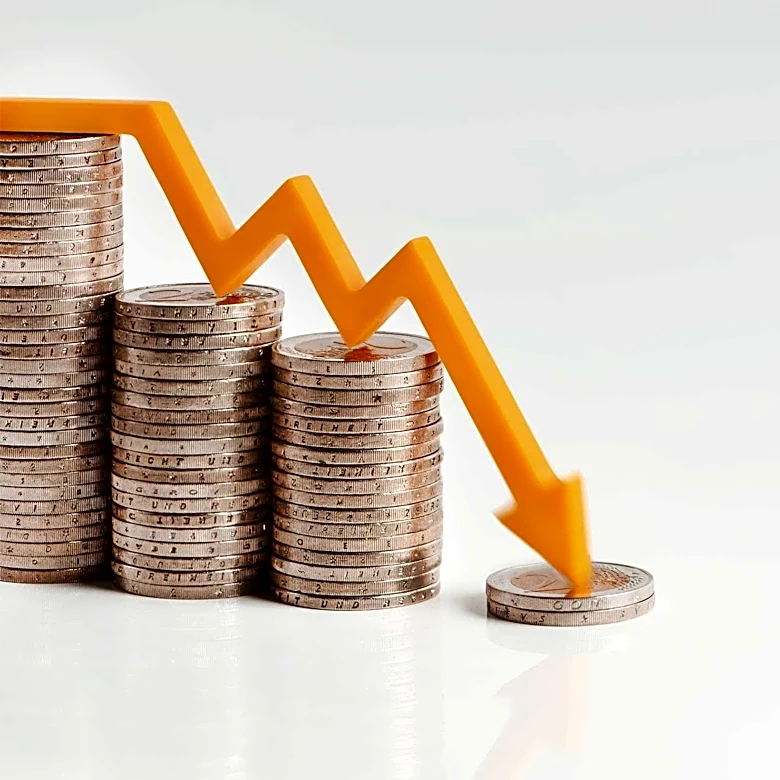
Winery and Cru Winery remain the largest producers, though their production levels have fluctuated over recent years. Quady Winery reported a 12% increase in production since 2018 but a 16% decrease from its peak in 2019. Cru Winery's production has decreased by 20% since 2018. Meanwhile, Moravia Winery has increased its production by 24% since 2019, moving up in the rankings. The overall grape crush in California fell by 24.1% from 2023 to 2024, with the average price for grapes dropping by 2.9%. This decline is attributed to reduced wine consumption and demand for grapes.
Why It's Important?
The decline in California's wine industry has significant implications for the state's economy and the national wine market. As the largest wine-producing state in the U.S., changes in California's production and sales can impact the entire industry. The reduction in grape processing and sales volume suggests a shift in consumer preferences and market dynamics, potentially affecting growers, distributors, and retailers. The closure of Stefanelli Distributing Co., a Fresno-based wine distributor, highlights the challenges faced by businesses in the sector due to declining consumption and oversupply. This trend could lead to economic repercussions for regions heavily reliant on wine production, such as the Central Valley, and may prompt industry stakeholders to adapt their strategies to align with changing consumer behaviors.
What's Next?
The wine industry may need to explore new strategies to address the declining consumption and oversupply issues. This could involve diversifying product offerings, targeting new markets, or investing in marketing campaigns to boost wine's appeal. Additionally, wineries might consider adjusting their production levels to better match demand, potentially leading to more sustainable practices. Stakeholders, including growers and distributors, may also advocate for policy changes or support measures to stabilize the industry. Monitoring consumer trends and adapting to shifts in preferences will be crucial for the industry's recovery and future growth.