





What's Happening?
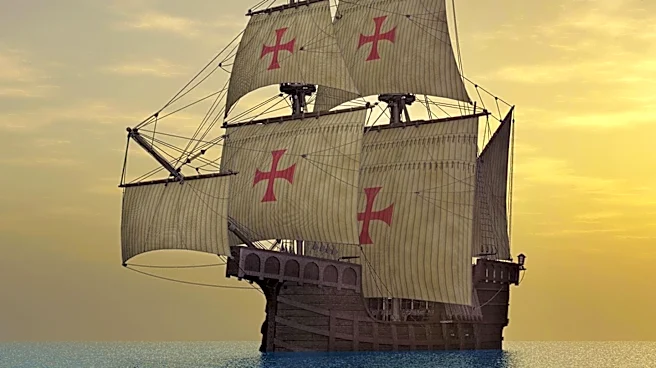
In his adaptation of 'The Odyssey,' Christopher Nolan introduces the concept of the 'Sea Peoples,' a historical group theorized to have contributed to the Bronze Age collapse. The film suggests that these marauders, feared by Penelope and the people of Ithaca,
are actually the Greeks returning home after the Trojan War. This addition is not present in Homer's original epic but is rooted in historical theories about the Sea Peoples, who were known for their seafaring raids across the Mediterranean. Nolan's inclusion of this element adds a layer of historical context to the film, blending myth with history.
Why It's Important?
Nolan's decision to incorporate the Sea Peoples into 'The Odyssey' highlights the interplay between history and myth in storytelling. By drawing on historical theories, the film enriches the narrative and provides audiences with a deeper understanding of the cultural and historical backdrop of the epic. This approach underscores the potential for historical events to influence and shape literary works, offering a new perspective on classic tales. The film's blending of myth and history may inspire other filmmakers to explore similar themes, potentially leading to a greater appreciation for the historical contexts of literary classics.
Beyond the Headlines
The inclusion of the Sea Peoples in 'The Odyssey' also raises questions about the accuracy and interpretation of historical events in artistic works. Nolan's adaptation prompts discussions about the role of filmmakers in representing history and the ethical considerations involved in altering historical narratives for creative purposes. This exploration of historical themes in cinema highlights the importance of understanding the past and its impact on contemporary storytelling, encouraging audiences to consider the complexities of history and its influence on culture and society.