




What's Happening?
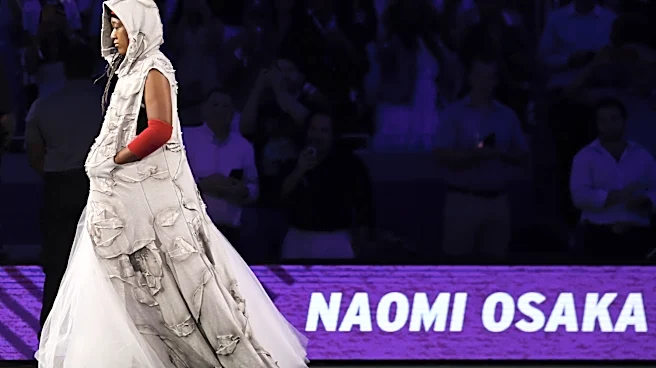
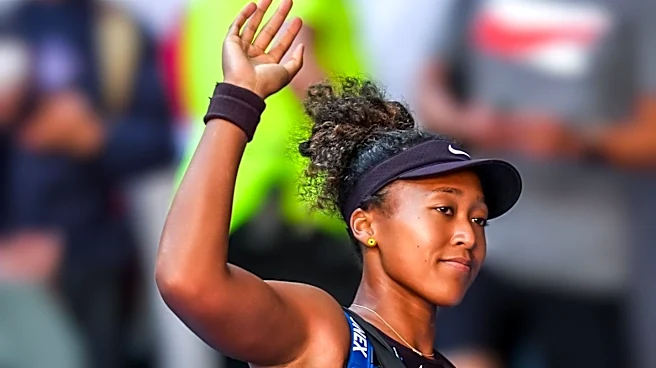
Tennis star Naomi Osaka made a significant fashion statement at the U.S. Open, paying homage to basketball legend Allen Iverson. For her entrance into Arthur Ashe Stadium, Osaka wore a custom all-white gown by Who Decides War, styled by Law Roach. The
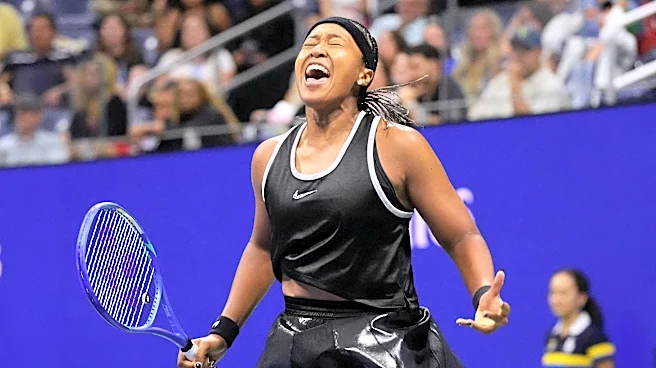
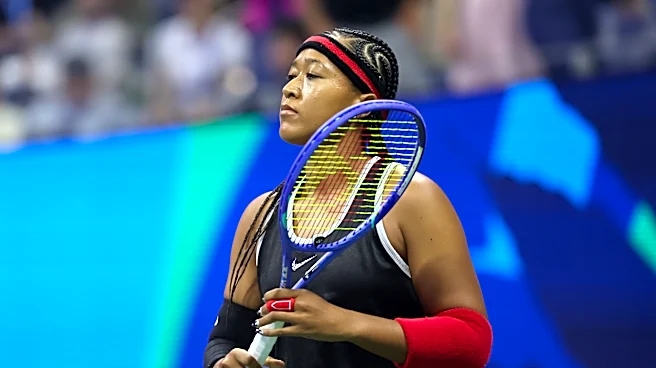
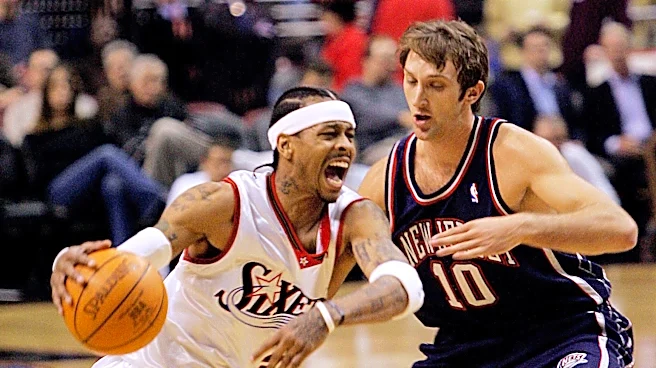
dress featured sewn-in news clippings of her career highlights. She complemented this with a headband over cornrows, a red sweatband on one arm, and a black sleeve on the other, directly referencing Iverson's iconic style. Osaka explained that her look was partly inspired by the U.S. Open's Nike athlete kits, which often incorporate basketball streetwear. She cited Iverson as a trailblazer who authentically merged culture, sports, and fashion. Throughout her U.S. Open run, Osaka continued to channel Iverson, including wearing a T-shirt featuring him on the cover of Slam magazine to a press conference. When asked about her tribute, she expressed admiration for Iverson's influence on how NBA players dress and his ability to express himself through style. Iverson himself acknowledged Osaka's tribute on Instagram, expressing his honor and desire to meet her.
Why It's Important?
Naomi Osaka's fashion tribute to Allen Iverson at the U.S. Open is important for several reasons, particularly in the intersection of sports, culture, and personal expression. It highlights how athletes, especially those with significant platforms like Osaka, are increasingly using their public appearances to convey messages and honor figures who have influenced them. Iverson's impact on basketball culture extended beyond his on-court performance; he was known for challenging norms through his style, which resonated deeply with many. Osaka's choice to honor him underscores his lasting legacy as a cultural icon who blurred the lines between sports and fashion. This act also demonstrates the growing trend of athletes embracing individuality and personal narratives through their attire, moving beyond traditional sports uniforms. For fans, it creates a deeper connection to athletes by revealing their inspirations and personal tastes. Furthermore, the mutual recognition between Osaka and Iverson, with Iverson's public response, exemplifies the cross-sport admiration and community that can form among influential figures, reinforcing the idea that impact transcends individual sports.
What's Next?
Naomi Osaka is set to continue her U.S. Open campaign, with her next match against Kateřina Siniaková in the second round. Her fashion choices will likely remain a topic of discussion, and fans will be eager to see if she continues to incorporate elements inspired by Allen Iverson or other cultural figures throughout the tournament. This public display of admiration could potentially lead to a direct meeting or collaboration between Osaka and Iverson, further solidifying the connection between the two sports icons. Beyond the U.S. Open, Osaka's consistent use of fashion as a form of expression suggests that this will remain a significant part of her public persona and brand. Her actions may also inspire other athletes to be more deliberate and creative with their off-court fashion, potentially leading to more personalized and culturally resonant statements in the sports world. The ongoing conversation about athletes' self-expression through style is likely to evolve, with more designers and brands looking to collaborate with athletes to create meaningful and impactful looks.
Beyond the Headlines
Naomi Osaka's tribute to Allen Iverson delves into deeper implications concerning identity, representation, and the evolving role of athletes as cultural arbiters. Iverson, as a Black athlete, famously challenged the NBA's dress code and cultural norms, paving the way for greater individuality and expression among players. Osaka, also a prominent Black athlete, by honoring him, is not just making a fashion statement but also aligning herself with a legacy of defiance and self-assertion against established conventions. This act resonates with broader conversations about authenticity and the freedom of expression within highly scrutinized public spheres. It highlights how sports figures can leverage their visibility to celebrate cultural heritage and influence, transcending their athletic achievements. The choice of a custom gown with news clippings of her career further intertwines her personal journey with this cultural homage, suggesting a narrative of self-made success and the power of individual legacy. This blend of personal history, cultural tribute, and fashion serves as a powerful commentary on the multifaceted identities of modern athletes and their capacity to shape public discourse beyond the confines of their sport.