







What's Happening?
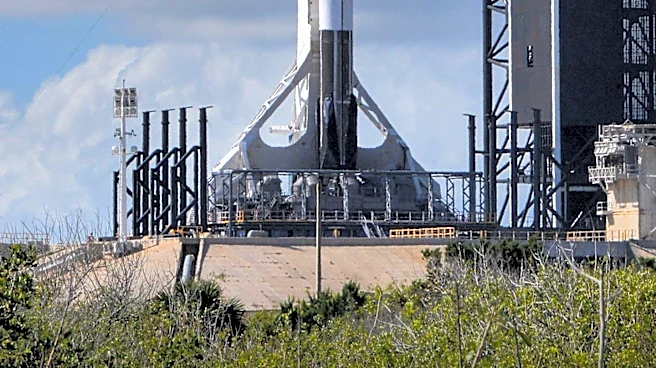
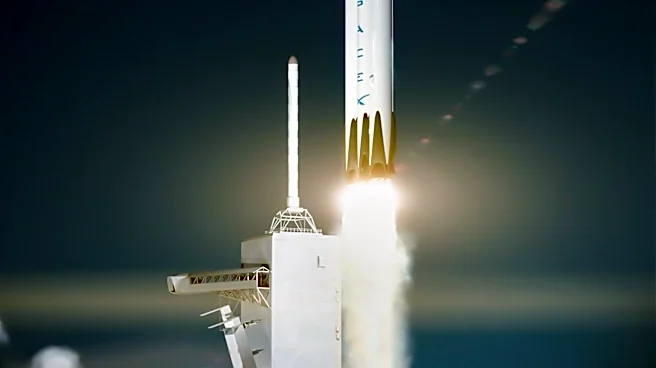
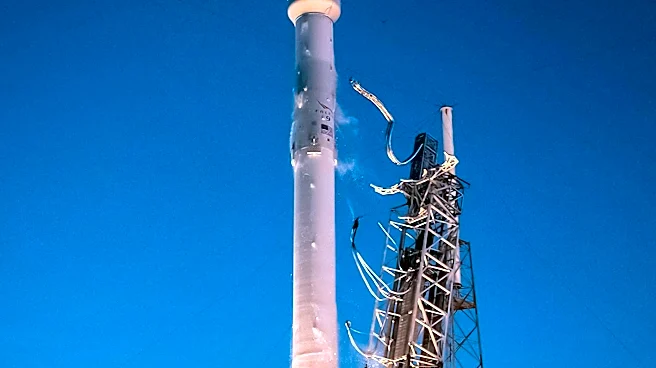
In 2025, SpaceX's Falcon 9 rocket achieved a remarkable milestone by completing 165 missions, averaging one launch every 2.2 days. This high frequency was largely driven by the company's Starlink satellite deployments, which accounted for 123 of these
missions. The Falcon 9's reusability played a crucial role in this achievement, with 157 of the launches utilizing previously flown boosters. Despite the intense launch schedule, the rocket maintained a high success rate, delivering all payloads successfully, although not all boosters were recovered. This operational tempo highlights SpaceX's ability to integrate reusability into its business model, using its own rockets to build and expand its satellite network.
Why It's Important?
The success of SpaceX's Falcon 9 in 2025 underscores a significant shift in the aerospace industry towards more frequent and cost-effective space launches. By leveraging reusable technology, SpaceX has reduced the cost of access to space, making it more feasible for a variety of commercial and governmental payloads. This development not only strengthens SpaceX's position in the market but also sets a new standard for launch frequency and reliability. The ability to launch frequently and reliably supports the growing demand for satellite internet services and other space-based applications, potentially transforming global communications and data services.
What's Next?
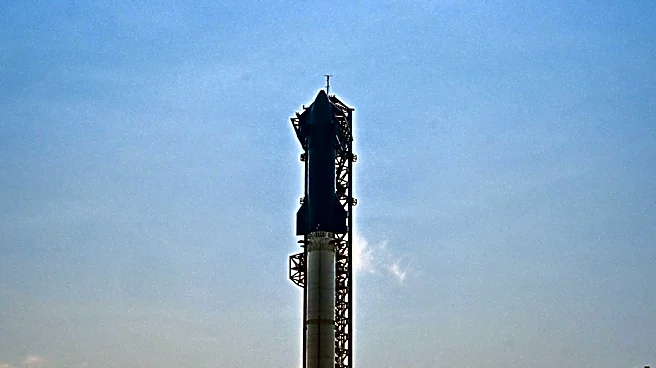
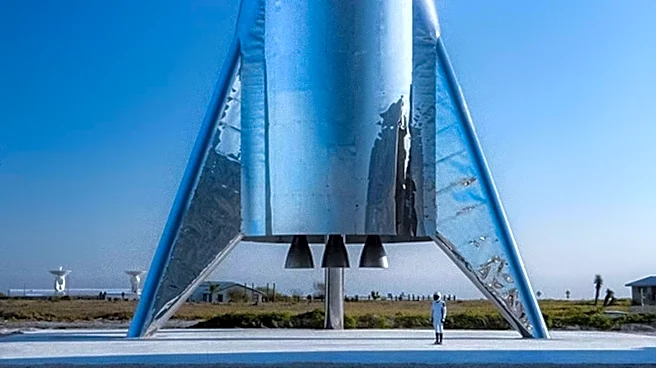
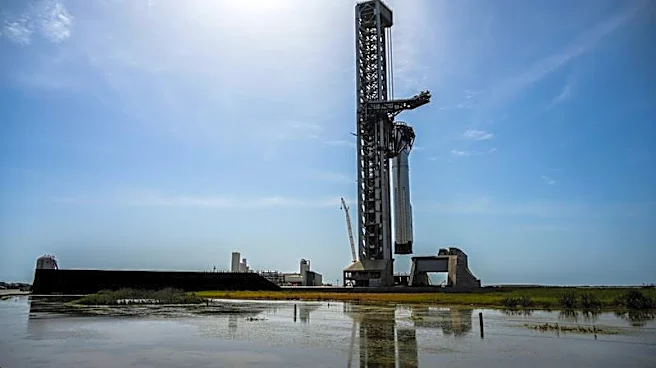
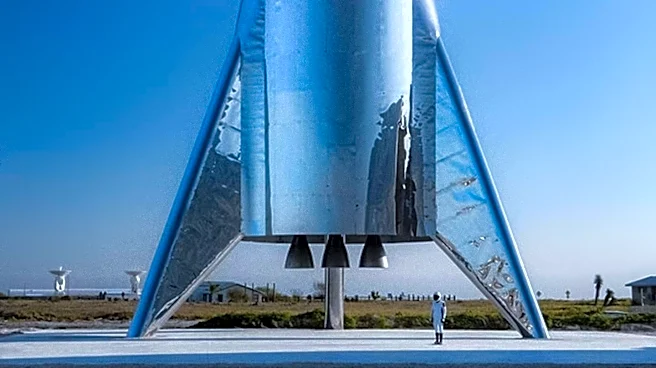
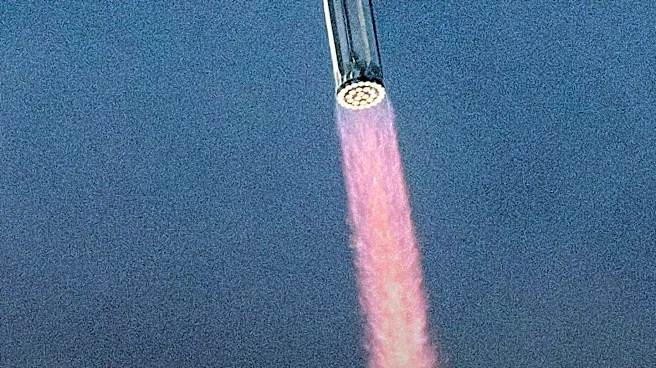
Looking ahead, SpaceX aims to further enhance its capabilities with the development of the fully reusable Starship system, which promises to lower costs even further and increase payload capacity. The lessons learned from Falcon 9's operations are likely to inform the design and operational strategies for Starship. Additionally, other companies and countries are expected to follow SpaceX's lead, developing their own reusable launch systems to compete in the evolving space market. This could lead to increased competition and innovation in the space industry, further driving down costs and expanding access to space.