








What's Happening?
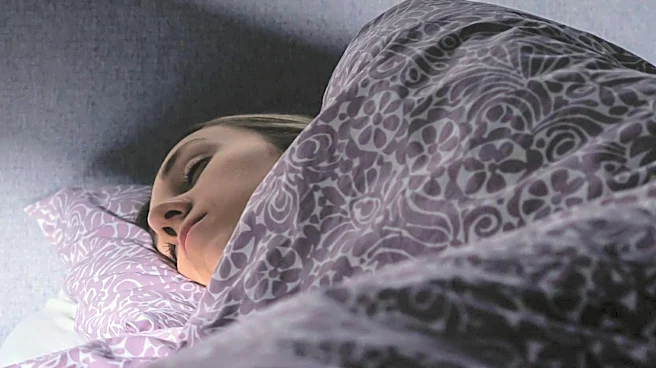
A study has found that individuals with a 'night owl' chronotype, who tend to stay up late, are at a higher risk for weight gain and obesity. The research, involving over 250 women, revealed that night owls have higher body-fat percentages and are more
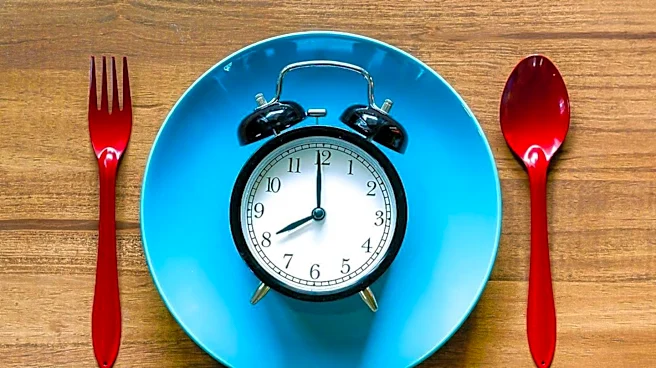
likely to make less nutritious food choices, particularly in the evenings. These individuals also showed poorer metabolic health markers, such as higher blood sugar and lipid levels. The study suggests that the timing of food intake, influenced by one's chronotype, plays a significant role in metabolic health.
Why It's Important?
The findings highlight the potential health risks associated with being a night owl, particularly in terms of diet and metabolic health. This research could inform public health strategies aimed at reducing obesity rates by emphasizing the importance of meal timing and quality. Understanding the impact of chronotype on dietary habits could lead to more personalized nutritional advice, helping individuals make healthier food choices and improve their overall health outcomes.