










What's Happening?
Nvidia's stock performance has been underwhelming in 2026, with shares rising only about 12% compared to the VanEck Semiconductor ETF's nearly 85% surge. Recently, Nvidia's shares have declined by approximately 3% over the past month, while the ETF advanced
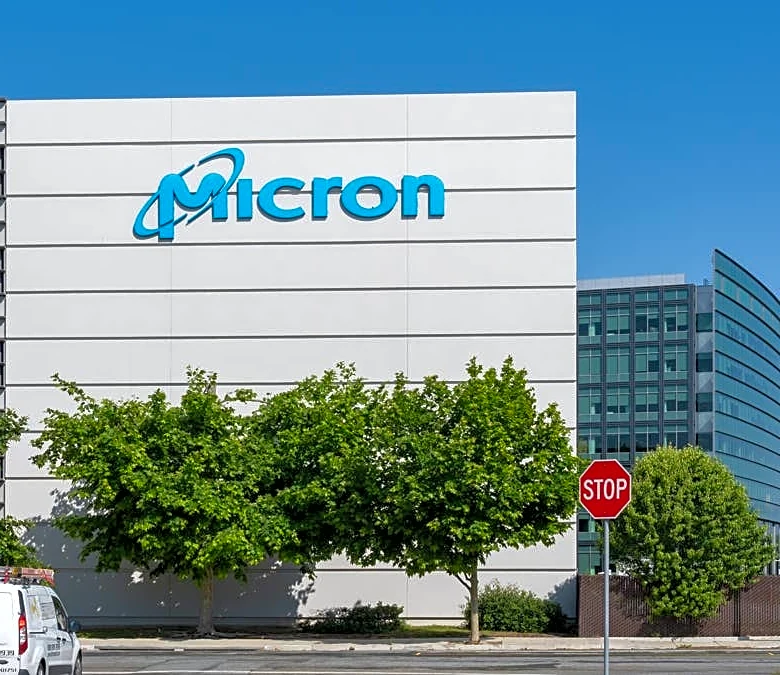
15%. This underperformance is attributed to Wall Street's focus on memory chips and infrastructure, which has benefited companies like Micron Technology and Sandisk. Additionally, Kalshi traders predict a continued decline in the price for computing power for Nvidia's B200 chip, a key component in AI computing. Despite these challenges, RBC Capital Markets remains optimistic about Nvidia's prospects for the latter half of 2026 and 2027, citing its strong position in AI computing capacity.
Why It's Important?
The struggles faced by Nvidia highlight the shifting dynamics within the semiconductor industry, particularly as AI technology continues to evolve. The focus on memory chips and infrastructure suggests a potential pivot in investment strategies, which could impact Nvidia's market share and profitability. As computing power prices decline, Nvidia may face pressure to adjust its pricing strategies, potentially affecting its revenue streams. The company's ability to navigate these challenges will be crucial in maintaining its leadership in AI computing. The broader implications for the U.S. tech industry include potential shifts in investment priorities and competitive dynamics among major players.
What's Next?
Looking ahead, Nvidia may need to reassess its production and pricing strategies to align with market demands and investor expectations. The company's performance in the second half of 2026 and beyond will likely depend on its ability to capitalize on AI computing opportunities and adapt to industry shifts. Stakeholders, including investors and tech partners, will be closely monitoring Nvidia's strategic decisions and market responses. Additionally, the ongoing developments in AI infrastructure and memory chip technologies could influence Nvidia's future positioning and competitive edge.
Beyond the Headlines
The decline in Nvidia's stock and chip prices may have broader implications for the semiconductor industry, including potential impacts on innovation and technological advancement. As companies like Micron Technology and Sandisk gain traction, Nvidia may need to explore new partnerships or technological innovations to maintain its competitive advantage. The evolving landscape of AI computing could also lead to shifts in workforce demands and skill requirements, influencing educational and training programs in the tech sector.