




What's Happening?
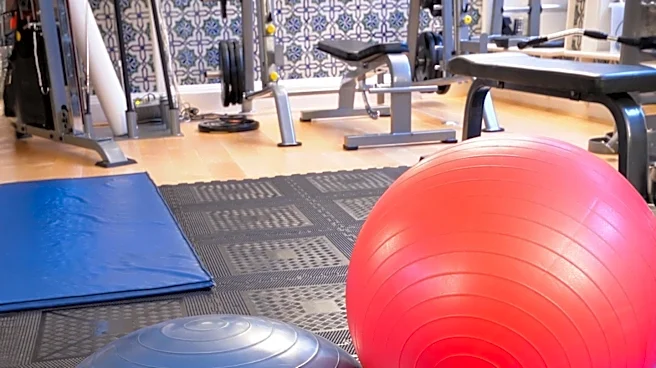
Building an effective home gym setup does not require extensive space or a large budget, but rather a selection of equipment that aligns with individual fitness goals, available space, and realistic training habits. The guide emphasizes starting with essential,
versatile items like a mat, resistance bands, and adjustable dumbbells, which can support a wide range of exercises for beginners. As fitness levels progress, more advanced equipment such as an adjustable bench, power rack, or cardio machines can be considered. The key is to choose equipment that is easy to store, maintain, and encourages consistent use, rather than purchasing impressive but underutilized machines. The guide also addresses common buying mistakes, such as ignoring dimensions, weight limits, and warranty details, and provides advice on organizing and using a home gym effectively.
Why It's Important?
The detailed guidance on creating a home gym setup is significant for the U.S. consumer market, particularly as more individuals seek convenient and personalized fitness solutions. This trend impacts the retail sector for fitness equipment, driving demand for versatile, space-saving, and affordable options. For individuals, having a well-planned home gym can reduce reliance on costly gym memberships and overcome barriers like travel time and crowded facilities, thereby promoting consistent physical activity and better health outcomes. This shift also influences real estate and interior design, with a growing interest in homes that can accommodate dedicated workout spaces. Furthermore, by empowering individuals to make informed purchasing decisions, the guide helps consumers avoid unnecessary expenses and ensures that their investments in fitness equipment genuinely support their long-term health goals, contributing to a more health-conscious society.
What's Next?
The market for home fitness equipment is expected to continue its growth, with manufacturers likely focusing on innovation in compact, multi-functional, and smart-enabled devices. Consumers can anticipate more integrated platforms that offer guided workouts and personalized training programs compatible with their home setups. Retailers will likely expand their online offerings and in-store experiences to help customers visualize and select appropriate equipment for their specific needs and spaces. There may also be an increase in subscription-based services that provide access to virtual trainers and diverse workout content, further enhancing the value of home gym investments. Additionally, as awareness of sustainable living grows, there could be a demand for eco-friendly and durable fitness equipment, influencing product development and consumer choices.
Beyond the Headlines
The movement towards personalized home gym setups reflects a broader cultural shift towards self-sufficiency and customization in various aspects of life. It highlights a desire for greater control over personal health and wellness, moving away from one-size-fits-all solutions. This trend can foster a more resilient and adaptable approach to fitness, allowing individuals to maintain their routines regardless of external circumstances, such as travel or public health concerns. Ethically, it raises questions about accessibility, as not everyone has the space or financial resources for a home gym, potentially widening the health equity gap. However, the emphasis on starting with minimal, affordable equipment also offers a pathway for more people to engage in physical activity, promoting a more inclusive vision of fitness that prioritizes consistency and personal well-being over elaborate setups.