




What's Happening?
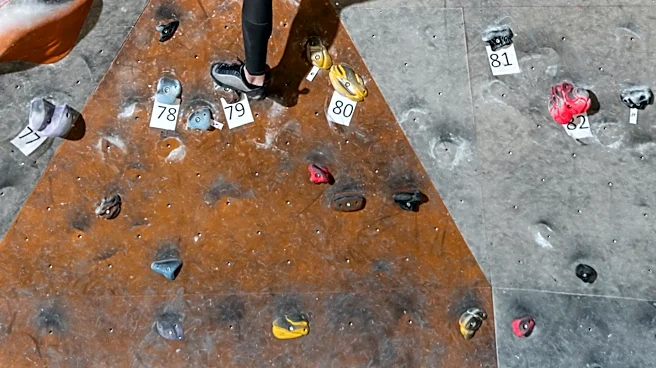
Bouldering, a form of rock climbing that involves ascending shorter walls without ropes, is being highlighted as an accessible entry point for beginners. This discipline emphasizes using crash pads and proper landing techniques for safety. Unlike other
climbing styles, bouldering does not initially require learning complex rope systems, making it a straightforward introduction to climbing movements. Beginners are encouraged to start at indoor gyms, which provide a controlled environment to learn fundamental techniques, terminology, and safety procedures. Essential gear for bouldering typically includes climbing shoes, chalk, and crash pads. Many gyms offer rental equipment, allowing newcomers to try the sport before investing in their own gear. The progression from indoor bouldering to outdoor experiences is recommended to be under qualified instruction or with an experienced mentor to ensure safety and proper skill development.
Why It's Important?
The emphasis on bouldering as a beginner-friendly activity is significant for expanding participation in climbing sports. By removing the initial barrier of complex rope systems and extensive gear, bouldering makes climbing more approachable to a wider audience. This accessibility can lead to increased physical activity and community engagement, as gyms like fit · bloc integrate climbing with fitness, recovery, and social spaces. For individuals seeking new forms of exercise, bouldering offers a unique blend of strength, balance, and problem-solving. The focus on indoor facilities for initial training also promotes a safer learning environment, reducing risks associated with outdoor climbing for inexperienced individuals. This approach helps cultivate a new generation of climbers who can gradually develop their skills and confidence before transitioning to more advanced disciplines.
What's Next?
As bouldering gains popularity, more indoor climbing gyms are likely to offer beginner-focused classes and facilities. These programs will continue to teach basic movement, safe falling techniques, and essential bouldering skills. The growth of bouldering competitions, such as the Volume 1 Bouldering Comp, also suggests an increasing pathway for enthusiasts to engage in competitive aspects of the sport. For those who develop a passion for bouldering, the next steps often involve strengthening finger tendons, improving balance, and eventually exploring outdoor bouldering sites under expert guidance. The continued integration of climbing with broader fitness and wellness offerings, as seen in facilities that include training areas, swimming pools, and saunas, indicates a trend towards comprehensive active lifestyle centers built around movement.
Beyond the Headlines
The rise of bouldering as a gateway to climbing reflects a broader cultural shift towards accessible and engaging fitness activities. It highlights the importance of creating inclusive environments where individuals can learn new skills without significant upfront investment or perceived high risk. This trend also underscores the value of community and social interaction within fitness, as climbing gyms often foster strong social bonds among participants. Furthermore, the structured progression from indoor to outdoor climbing, with an emphasis on qualified instruction, addresses safety concerns and promotes responsible engagement with natural environments. Bouldering's focus on technique and body awareness over sheer strength also challenges traditional notions of athleticism, making it appealing to a diverse range of body types and fitness levels.