



What's Happening?
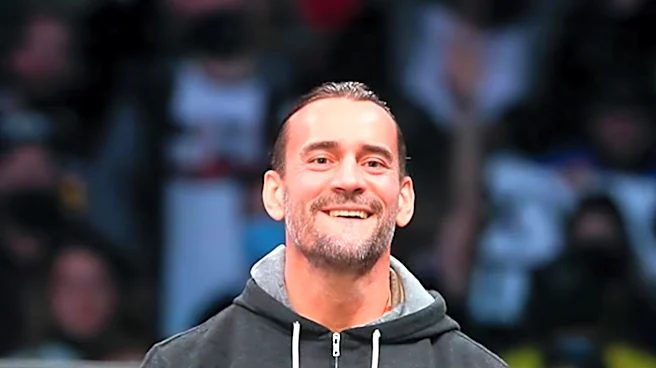
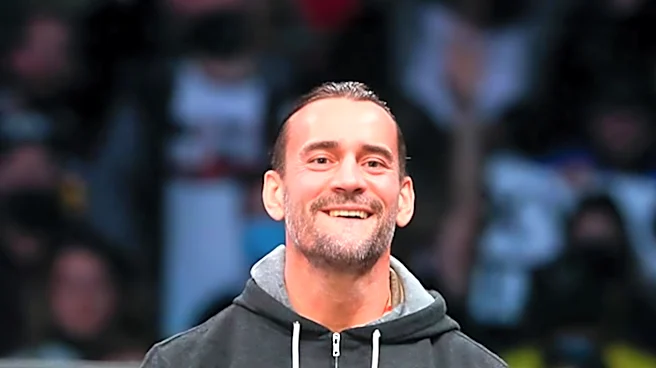
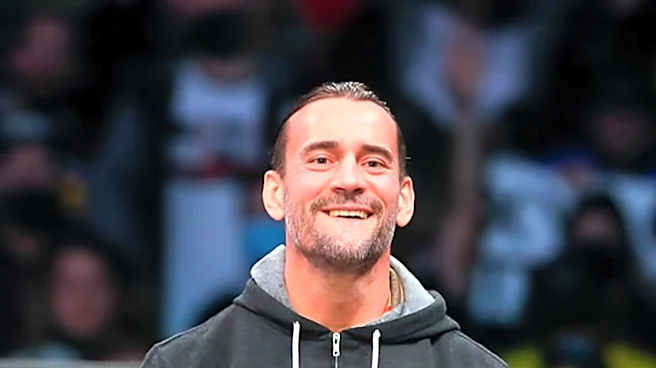
Robert Karpeles, a former WWE writer, has claimed that All Elite Wrestling (AEW) experienced significant backstage divisions and 'cliques' during the controversy surrounding CM Punk's post-All Out 2022 media scrum and subsequent brawl. Karpeles stated
that the AEW locker room was fragmented into various groups, which he believed hindered decisive leadership. He specifically mentioned 'Kenny and the Young Bucks' as one of these distinct factions, alongside 'Cody's group,' 'Jericho and his crew,' and 'everybody else.' According to Karpeles, this cliquey environment made him 'nervous about AEW's direction' because it suggested a lack of unified purpose among the talent, contrasting it with the more singular leadership style he observed under Vince McMahon in WWE.
Why It's Important?
This claim by a former WWE writer sheds light on potential internal challenges within AEW, particularly during a high-profile controversy involving CM Punk. Backstage divisions and a lack of cohesive leadership can significantly impact a wrestling promotion's stability, morale, and on-screen product. The existence of distinct 'cliques,' including one associated with 'The Young Bucks,' suggests power struggles or differing visions among key talent, which could lead to creative conflicts and operational inefficiencies. For fans and industry observers, such revelations provide context to past events and raise questions about the organizational health and management structure of AEW, a major competitor in the U.S. professional wrestling landscape. It underscores the importance of strong leadership in maintaining a unified and productive environment.
What's Next?
While Karpeles' comments are retrospective, they contribute to the ongoing narrative surrounding AEW's internal dynamics and the challenges faced by a relatively new, rapidly growing wrestling promotion. Such discussions can influence public perception of AEW and potentially impact future talent acquisitions or retention. For 'The Young Bucks' and other mentioned factions, these claims might prompt further scrutiny or discussions about their roles in the company's backstage environment. Moving forward, AEW's leadership will likely continue to focus on fostering a more unified locker room and demonstrating decisive management to counter perceptions of internal disarray, especially as they aim to solidify their position in the competitive wrestling market.
Beyond the Headlines
The concept of backstage 'cliques' in professional wrestling is not new and often reflects the complex social and political dynamics inherent in any performance-based industry. These factions can arise from personal relationships, creative differences, or competition for influence and screen time. Karpeles' comments highlight how such internal divisions, particularly when involving prominent figures like 'The Young Bucks' and CM Punk, can escalate into public controversies and impact a company's brand. This situation also touches upon the broader theme of leadership styles in creative industries—whether a 'one-man shop' approach (like Vince McMahon's) or a more collaborative, talent-driven model (like AEW's initial vision) is more effective in managing diverse personalities and achieving organizational goals. The long-term success of AEW may depend on its ability to navigate these internal complexities and present a united front.