







What's Happening?
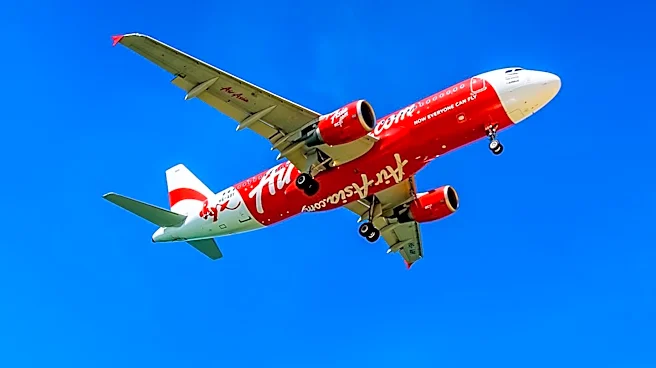
AirAsia X, a long-haul low-cost carrier, is withdrawing from the Indian market by suspending its sole route to the country, specifically flights between Kuala Lumpur International Airport and New Delhi’s Indira Gandhi International Airport (DEL). This
service, currently operating four times weekly using Airbus A330 aircraft, will cease from October 25. This decision is part of a broader 'network optimization strategy to support long-term network sustainability,' according to the Malaysian carrier. The withdrawal from Delhi follows other route cuts, including Kuala Lumpur-Tashkent service from September 2 and Sydney flights in late October. Despite AirAsia X's departure, the Kuala Lumpur-Delhi route will continue to be served by Malaysia Airlines, Air India, and Batik Air Malaysia. OAG Schedules Analyser data indicates that these airlines will offer approximately 382,500 two-way seats on this route during the northern summer 2026 season, with Malaysia Airlines holding the largest share at 40%, followed by AirAsia X at 22.3%, Air India at 20.2%, and Batik Air Malaysia at 17.5%.
Why It's Important?
The cessation of AirAsia X's Delhi route signifies a strategic shift for the airline, prioritizing network sustainability amidst operational challenges. While the immediate impact on U.S. travelers to India might be indirect, it reflects a broader trend of airlines adjusting their international networks based on profitability and demand. The continued presence of other carriers like Air India on the Kuala Lumpur-Delhi route ensures that connectivity remains, but the competitive landscape is altered. For the aviation industry, this move highlights the constant need for airlines to optimize routes and manage costs, especially for long-haul budget operators. The reduction in overall India capacity by the AirAsia group, with a 17.3% decrease in two-way seats between Malaysia and India for winter 2026-27, could lead to shifts in market share among remaining carriers and potentially influence pricing for travelers. This optimization strategy is driven by cost pressures, weaker demand on certain routes, and the need to align the network with a smaller available fleet, as the group plans to return 25 older aircraft.
What's Next?
AirAsia X's network optimization strategy will continue, with the airline focusing on aligning its operations with its available fleet and cost structures. The company plans to return 25 older aircraft during the current fiscal year, aiming to reduce associated lease costs while awaiting deliveries of A220 and A321XLR aircraft in 2028. The Kuala Lumpur-Delhi market will see continued service from Malaysia Airlines, Air India, and Batik Air Malaysia, which may adjust their capacities to fill the void left by AirAsia X. Travelers planning flights between these regions should monitor schedule changes and capacity adjustments from the remaining operators. The broader AirAsia group will maintain flights from Kuala Lumpur to nine other Indian destinations, but its overall India capacity is shrinking. This ongoing network adjustment by AirAsia X could lead to further route changes or capacity reductions in other markets as the airline seeks to achieve long-term sustainability.
Beyond the Headlines
This development underscores the dynamic and often challenging nature of the global aviation industry, particularly for long-haul low-cost carriers. The decision to cut routes, even established ones, reflects a strategic imperative to prioritize financial health over market presence in less profitable segments. It also highlights the increasing pressure on airlines to adapt to fluctuating fuel costs, geopolitical events, and evolving passenger demand. The 'network optimization strategy' employed by AirAsia X is a common response in an industry characterized by thin margins and high operational costs. This trend could lead to a more consolidated market on certain routes, potentially impacting competition and consumer choices in the long run. Furthermore, the reliance on newer, more fuel-efficient aircraft like the A220 and A321XLR, expected in 2028, indicates a long-term shift towards modernizing fleets to enhance operational efficiency and reduce environmental impact, a critical consideration for airlines globally.