

What's Happening?
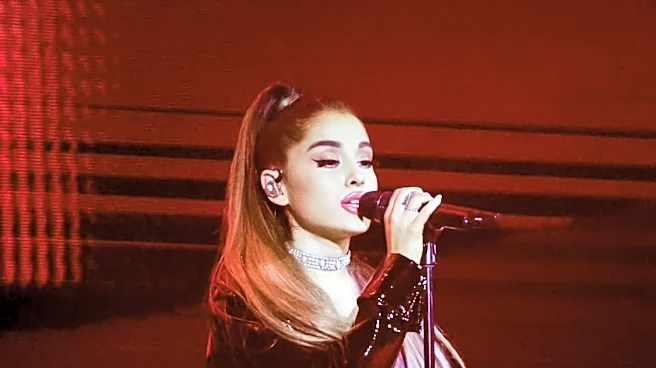
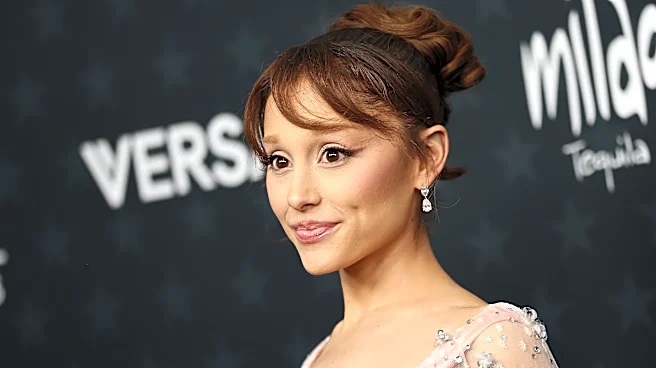
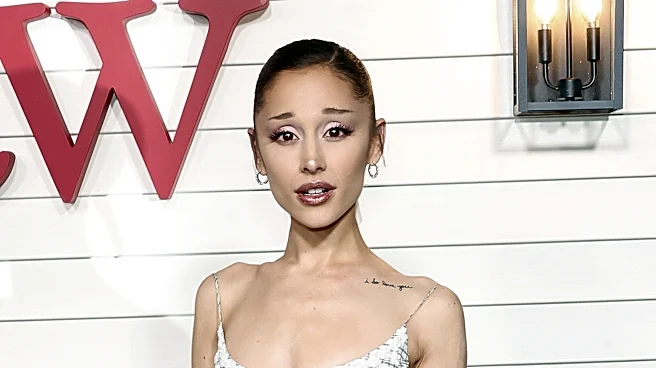
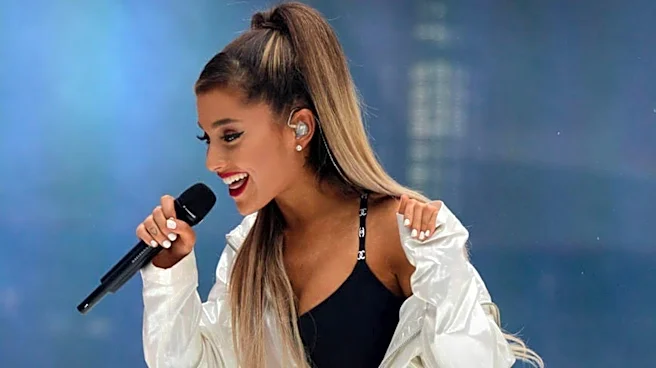
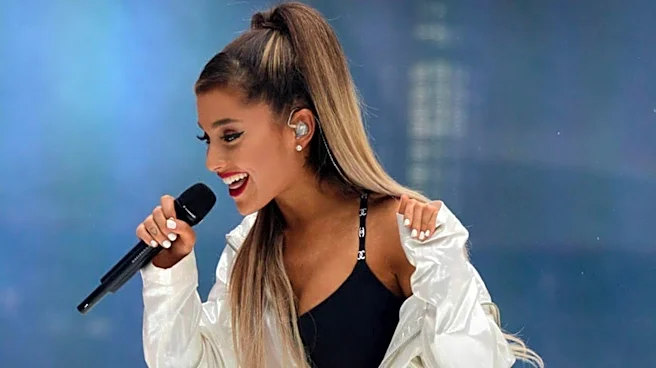
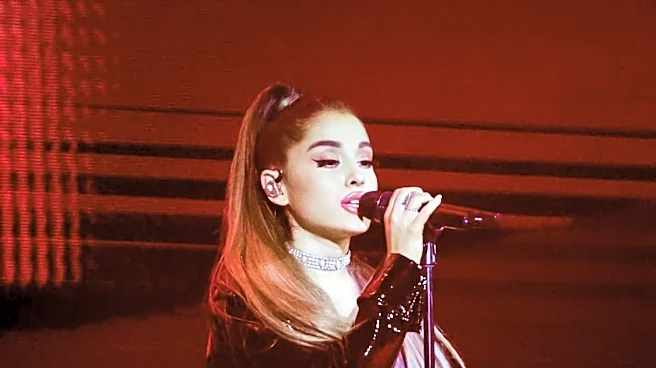
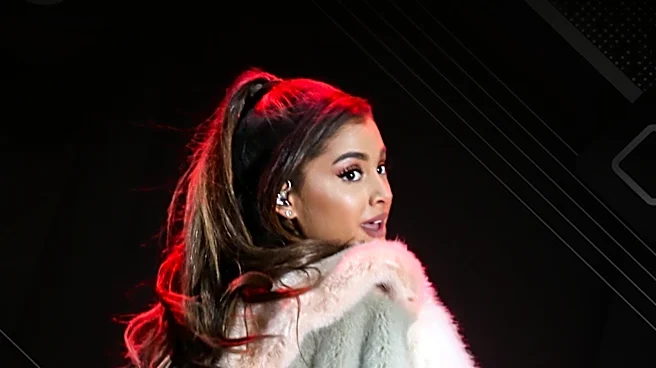
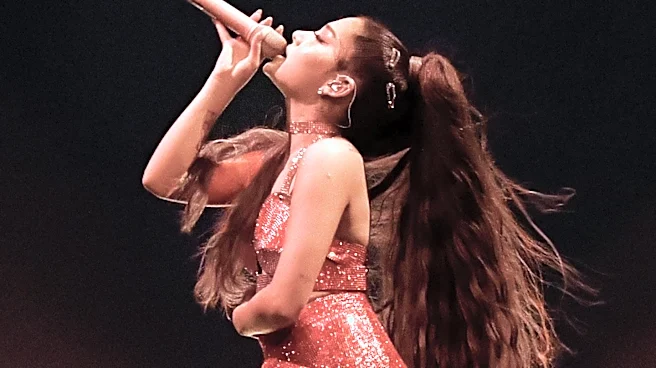
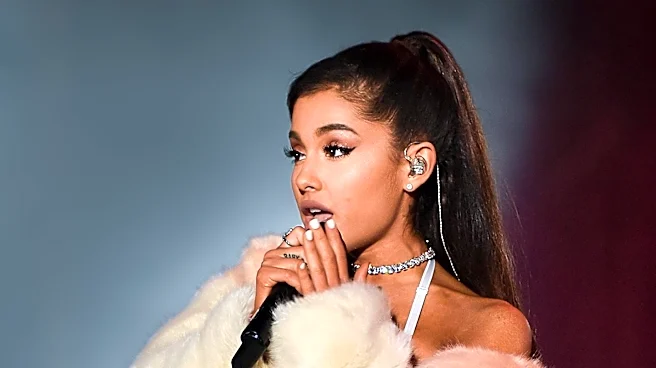
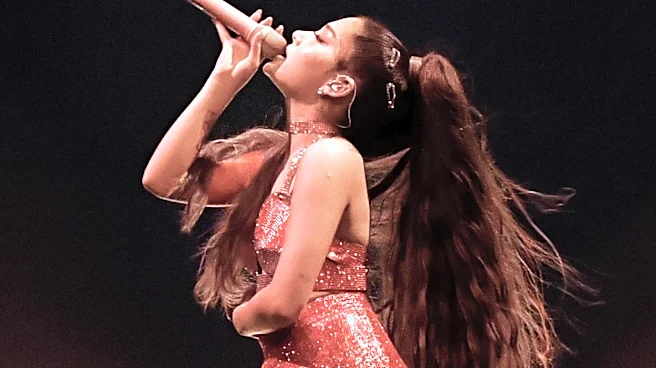
Pop superstar Ariana Grande has revealed that she now feels "safe" to create music again after making significant changes to her personal team. The 33-year-old artist, who recently starred as Glinda in the "Wicked" film franchise, discussed her renewed
sense of security on the "Las Culturistas" podcast. Grande explained that her previous relationships surrounding the creation, release, and collaboration processes had made her feel unsafe to produce new music. With a largely new team in place, she feels a greater sense of trust and believes this environment allows her to share, be authentic, and "start over." Director John Hamburg, who cast Grande in "Focker-in-Law," praised her as a "force" with incredible comic timing, noting her mysterious quality due to her limited film appearances.
Why It's Important?
Ariana Grande's decision to overhaul her team and her subsequent feeling of creative safety highlight the critical role of a supportive and trustworthy environment for artists in the entertainment industry. For a high-profile artist like Grande, the pressures of public scrutiny and the demands of creative output can be immense. A secure team can provide the necessary buffer and support, allowing an artist to focus on their craft without the added burden of dysfunctional professional relationships. This move could set a precedent for other artists to prioritize their well-being and creative freedom by restructuring their professional circles. It also underscores the often-unseen challenges artists face behind the scenes, impacting their ability to produce and release work.
What's Next?
With a renewed sense of creative safety, Ariana Grande is expected to continue focusing on her music career, potentially leading to new releases and projects. Her recent appearance in the "Wicked" film franchise and her role in the upcoming "Focker-in-Law" demonstrate her continued engagement in both music and acting. The positive impact of her new team on her creative process suggests that future endeavors will be approached with a greater sense of authenticity and confidence. Fans and industry observers will likely be watching for how this newfound security translates into her artistic output and public presence.
Beyond the Headlines
Ariana Grande's experience sheds light on the often-overlooked mental and emotional toll that the entertainment industry can take on artists. The need for a "safe" creative space goes beyond mere professional efficiency; it speaks to the psychological well-being required to sustain a demanding career under constant public scrutiny. Her candidness about feeling unsafe due to past professional relationships could encourage a broader conversation within the industry about fostering healthier working environments and empowering artists to advocate for their needs. This shift towards prioritizing an artist's mental and creative security could lead to more sustainable careers and potentially more authentic and impactful art.