





What's Happening?
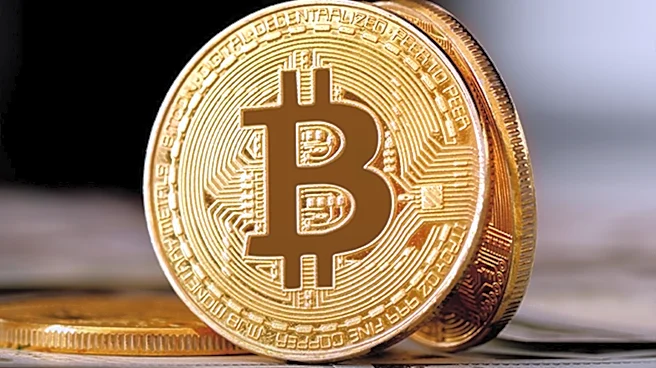
U.S. Bank, the fifth-largest commercial bank in the U.S., has successfully executed a live cross-border payment utilizing its proprietary dollar-backed stablecoin, USBDC, on the Stellar public blockchain. This pilot program involved testing various functionalities
crucial for regulated financial operations, including minting, redemption, freezing, and clawback capabilities. The bank also integrated the Stellar network with its internal compliance, risk management, and operational systems. This initiative signifies a move by traditional banking institutions to bridge the gap between public blockchain technology and the stringent controls required within the regulated banking sector. The transaction involved moving the USBDC stablecoin between North America and Europe, demonstrating the potential for always-on cross-border payments. Gunjan Kedia, Chairman and CEO of U.S. Bank, stated that this pilot accelerates global cash management and money movement capabilities, with the bank evaluating the token for treasury payments, liquidity management, and collateral movement.
Why It's Important?
This development is significant as it illustrates a major U.S. commercial bank actively engaging with blockchain technology for core banking functions. By issuing its own stablecoin and integrating it with a public blockchain like Stellar, U.S. Bank is exploring ways to enhance the efficiency and speed of cross-border transactions, which traditionally involve multiple intermediaries and can take days to settle. The integration of compliance and risk systems directly with the blockchain network is a critical step towards wider adoption of digital assets within regulated finance. This move could set a precedent for other large financial institutions, potentially leading to a more interconnected and efficient global financial system. It also highlights the evolving landscape where traditional finance is seeking to leverage the benefits of blockchain while maintaining regulatory oversight and control, addressing concerns about security and compliance in the digital asset space.
What's Next?
U.S. Bank is currently evaluating the USBDC stablecoin for broader applications within its treasury operations, including treasury payments, liquidity management, and collateral movement. The success of this pilot suggests that the bank may expand its use of blockchain technology and stablecoins for various financial services. Other financial institutions are likely to observe U.S. Bank's progress closely, potentially leading to similar initiatives across the banking sector. The ongoing development of regulatory frameworks, such as the GENIUS Act and the CLARITY Act, will also play a crucial role in shaping the future adoption and scaling of such stablecoin initiatives. As more banks explore these technologies, the demand for interoperability between different blockchain networks and traditional financial systems will increase, driving further innovation in financial infrastructure.
Beyond the Headlines
This move by U.S. Bank represents a deeper shift in how traditional financial institutions view and integrate blockchain technology. It moves beyond mere experimentation to building practical interfaces between public, decentralized ledgers and highly regulated internal banking systems. The emphasis on maintaining conventional banking controls like freezing and clawback capabilities within a blockchain environment addresses a key concern for regulators and traditional finance players regarding the immutability and irreversibility often associated with blockchain transactions. This hybrid approach could pave the way for a new era of financial services where the transparency and efficiency of blockchain are combined with the security and regulatory compliance of traditional banking, potentially redefining the future of global payments and asset management. It also underscores the growing importance of interoperability as a strategic layer connecting old and new financial systems.