







What's Happening?
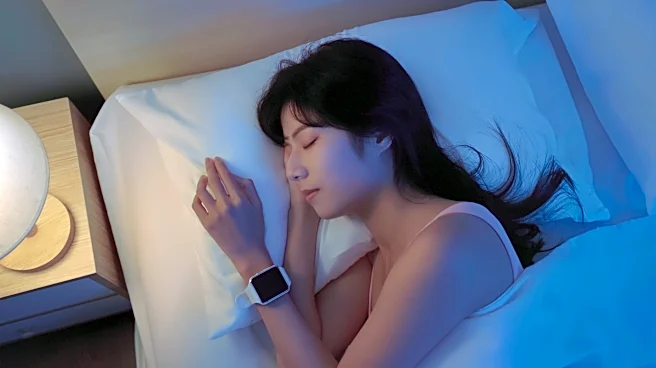
Sleep trackers have become increasingly popular, with many individuals using them to monitor sleep patterns and improve sleep quality. These devices provide detailed metrics, such as sleep duration, REM sleep, and recovery scores, which can help users
identify areas for improvement in their sleep habits. However, there is a growing concern about the potential for these metrics to lead to an unhealthy obsession with achieving perfect sleep scores. Users may become overly focused on the data, treating it as a report card rather than a guide. This phenomenon, known as orthosomnia, can lead to anxiety and stress over sleep performance, detracting from the overall goal of feeling rested and healthy.
Why It's Important?
The rise of sleep trackers highlights the broader trend of quantifying personal health metrics, which can have both positive and negative implications. On one hand, these devices can promote healthier sleep habits and increase awareness of sleep quality. On the other hand, the emphasis on numerical scores can lead to stress and anxiety, particularly for individuals who are highly influenced by metrics. This underscores the importance of using technology as a tool for guidance rather than a definitive measure of health. As wearable technology continues to evolve, it is crucial for users to maintain a balanced approach, focusing on overall well-being rather than perfection.