





What's Happening?
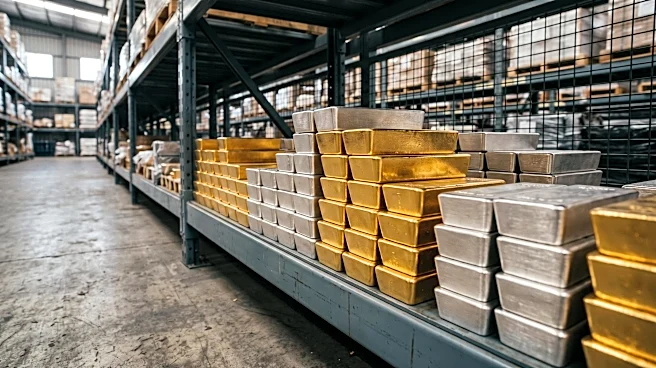
Consignments of gold and silver, valued at $715 million, are currently being withheld at various Indian ports due to delays in updating tariff rates by the Customs department. The Indian Bullion and Jewellers Association (IBJA) reported that the ICEGATE
systems of the Directorate General of Foreign Trade (DGFT) and CBIC-India are not accepting the revised tariff rates. This issue stems from a delay in DGFT's annual order, issued on April 17, which names banks authorized to import bullion. Despite the release of this list, Customs authorities have not yet issued the necessary clearance orders for port and airport officials. Furthermore, Customs has removed an exemption banks previously enjoyed since 2017, now requiring IGST payments for clearing bullion cargoes. Importers are being charged interest for non-payment of duty, even though the delay is not attributed to them. The Customs department revises the tariff value of bullion fortnightly, with the latest revision effective November 14, setting gold at $1,245 per 10 grams and silver at $1,663 per kilogram.
Why It's Important?
This situation significantly impacts the Indian bullion market and its participants, including banks and importers. The withholding of gold and silver imports disrupts the supply chain, potentially leading to shortages and price volatility within India. The imposition of interest charges on importers for delays beyond their control creates an unfair financial burden, eroding profit margins and increasing operational costs. Banks, which typically import bullion on a consignment basis, are now facing additional expenses for vault and storage charges while their working capital remains tied up. This could deter future imports and affect the liquidity of the bullion market. The removal of the IGST exemption for banks further complicates the import process and adds to the financial strain on these institutions. The broader economic implication is a potential slowdown in the gold and silver trade, impacting jewelers and consumers in India, a major global market for precious metals.
What's Next?
The Indian Bullion and Jewellers Association (IBJA) has urged the Finance Ministry to rectify the error at the earliest to facilitate the clearance of the withheld consignments. Resolution would involve the DGFT and CBIC-India updating their ICEGATE systems to accept the revised tariff rates and issuing the necessary clearance orders to Customs authorities. Additionally, the issue of interest charges for non-payment of duty, which importers argue is unjust, will likely need to be addressed by the Finance Ministry. The government has also recently reduced the export duty drawback rate on gold jewelry and specified silver articles, aligning with falling bullion prices. This adjustment, while separate from the import delay, indicates ongoing governmental intervention in the precious metals market. Future actions will likely focus on streamlining the import process and potentially reviewing the new IGST payment requirements for banks.
Beyond the Headlines
The ongoing issues at Indian Customs highlight systemic challenges in the coordination and implementation of trade policies between different government bodies, specifically the DGFT and CBIC-India. The reliance on manual updates or slow system integration can lead to significant economic disruptions, as seen with the $715 million worth of gold and silver imports. This situation also underscores the vulnerability of businesses to bureaucratic inefficiencies and the financial consequences of such delays. The removal of the IGST exemption for banks, coupled with the delay in tariff updates, suggests a broader shift in regulatory approach towards bullion imports, potentially aiming to increase revenue collection or exert greater control over the trade. This could lead to long-term changes in how precious metals are imported and traded in India, potentially impacting its position as a global bullion hub and influencing international gold prices.