








What's Happening?
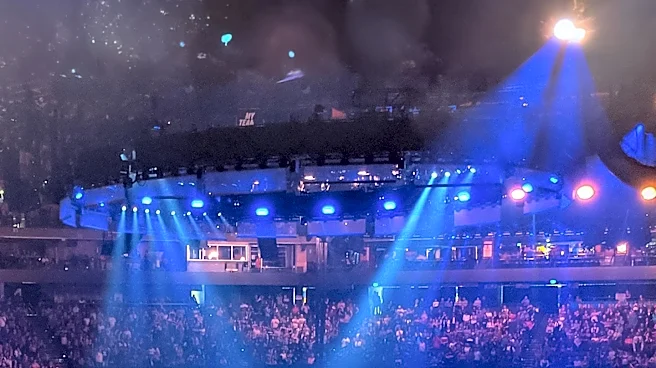
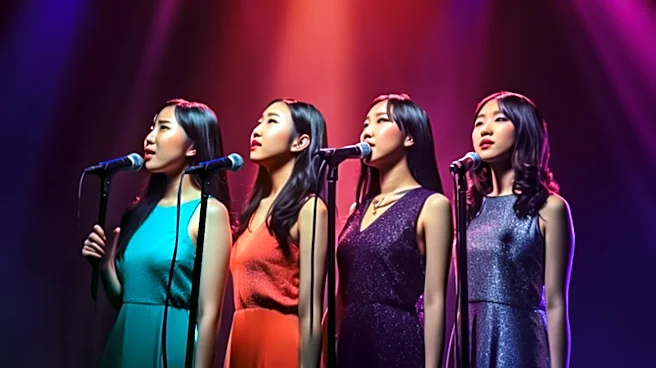
The Gaia Music Collective is hosting one-day choir events in various cities, including Los Angeles and New York, where participants gather to sing popular songs in a communal setting. These events, which have grown in popularity, aim to provide a sense
of community and spiritual connection through music. Participants, many of whom are strangers, come together to learn and perform songs in a single day, creating a unique experience of collective effervescence. The initiative began in a Brooklyn apartment during the pandemic and has since expanded, drawing thousands of people seeking both musical and social connection.
Why It's Important?
The rise of one-day choirs like those organized by the Gaia Music Collective highlights a growing need for community and connection in the face of what has been termed a 'loneliness epidemic' in the U.S. As traditional social structures and third spaces decline, these musical gatherings offer a secular yet spiritually fulfilling alternative. They provide participants with a sense of belonging and emotional release, addressing the widespread decrease in social interactions and religious service attendance. This trend reflects a broader societal shift towards finding new ways to foster community and personal well-being.
What's Next?
As the popularity of one-day choirs continues to grow, it is likely that more such events will be organized across the U.S. and internationally. The Gaia Music Collective plans to expand its reach, potentially incorporating more diverse musical selections and social causes into its programming. This could lead to increased participation and further community building, as well as collaborations with artists and activists. The movement may also inspire similar initiatives, contributing to a broader cultural shift towards communal and creative forms of social engagement.
Beyond the Headlines
The success of these choirs underscores the therapeutic potential of music and collective activities in addressing modern social challenges. By providing a space for self-expression and emotional healing, these events challenge the notion that spiritual fulfillment must be tied to traditional religious practices. They also highlight the role of art in fostering inclusivity and diversity, as the choirs often feature music that resonates with various communities, including the LGBTQ+ community. This approach not only enriches the cultural landscape but also promotes social cohesion and understanding.