





What's Happening?
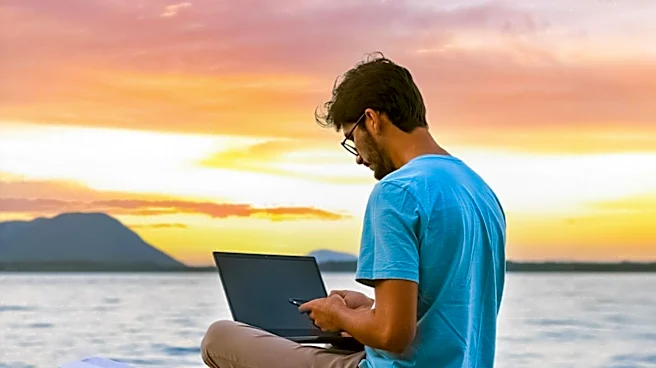
The digital nomad lifestyle, characterized by individuals using telecommunications and online technology to work remotely while traveling without a fixed base, is becoming increasingly accessible. In 2026, this trend continues to grow, with over 50 countries
now offering dedicated visas for remote workers and freelancers. This allows individuals to move from city to city and country to country, maintaining their careers. Key to this lifestyle are effective project management systems and online shared calendars, which help digital nomads coordinate with team members across different time zones. When choosing destinations, it's crucial for digital nomads to research countries with favorable regulations. Additionally, finding accommodation that provides fast, reliable Wi-Fi and a suitable workspace is essential, as hotels often double as offices. This ensures that professional needs are met, even when working from cafes or co-working spaces.
Why It's Important?
The rise of the digital nomad lifestyle has significant implications for the U.S. workforce and economy. It offers U.S. professionals unprecedented flexibility, potentially leading to a more globalized talent pool and new opportunities for businesses to hire remote workers from diverse locations. For individuals, it provides a pathway to combine career ambitions with a desire for travel and adventure, potentially improving work-life balance and job satisfaction. However, it also presents challenges, such as navigating international tax laws, maintaining professional connections while abroad, and ensuring adequate health insurance coverage. The increasing availability of digital nomad visas in over 50 countries suggests a global recognition of this work model, which could influence U.S. policies regarding remote work and international employment. This trend could also impact the U.S. tourism and hospitality sectors, as more Americans might choose to work from abroad, while foreign digital nomads might seek opportunities within the U.S.
What's Next?
Looking ahead, the digital nomad trend is expected to continue evolving, with more countries likely to introduce or refine their remote worker visa programs. Health insurance for digital nomads is already trending towards flexible, subscription-based global coverage, indicating a growing market for specialized services catering to this demographic. Technology will play an even greater role in facilitating this lifestyle, with advancements in communication tools and project management platforms making remote collaboration more seamless. The U.S. may see an increase in its citizens opting for this lifestyle, potentially leading to discussions about how to best support and integrate these mobile professionals, including considerations for tax implications and social security contributions. Businesses will need to adapt their hiring and management strategies to accommodate a more geographically dispersed workforce, potentially leading to new models of employment and talent acquisition.
Beyond the Headlines
Beyond the immediate practicalities, the digital nomad movement reflects a deeper cultural shift towards valuing flexibility, autonomy, and experiential living over traditional career paths. It challenges the conventional notion of a fixed workplace and residency, prompting a re-evaluation of what it means to be 'employed' and 'at home.' This lifestyle can foster greater cross-cultural understanding and global interconnectedness, as individuals immerse themselves in different societies while maintaining their professional ties. However, it also raises ethical considerations regarding the impact of digital nomads on local economies and communities, particularly in terms of housing affordability and cultural integration. The long-term implications for national identity, citizenship, and the future of work are profound, suggesting a future where professional boundaries are increasingly fluid and geographical limitations less relevant.