

What's Happening?
NASCAR has announced that its annual preseason race, known as the Clash, will return to Daytona International Speedway in 2027 after a five-year hiatus from the iconic venue. The event is scheduled for February 13, the night before the Super Bowl, and
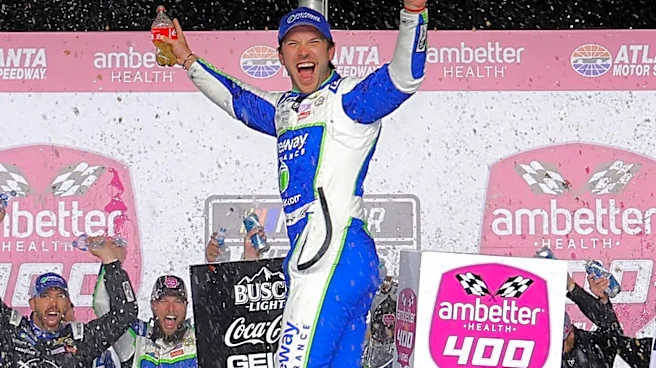
eight days before the Daytona 500. The Clash will be held on the oval track, although eligibility criteria for the invitation-only event have yet to be determined. Previously, the Clash was held at the Los Angeles Memorial Coliseum from 2022 to 2024 and at Bowman Gray Stadium in North Carolina for the last two years. The decision to move back to Daytona aims to rekindle interest in the season-opening Daytona 500 and restore the traditional Speedweeks vibe, which includes track activities over two weekends. NASCAR has also announced Wheatley American Vodka as a new sponsor for the Clash, as part of a multiyear sponsorship deal.
Why It's Important?
The return of the Clash to Daytona is significant for NASCAR as it seeks to revive the traditional Speedweeks, which have been a staple of the sport's calendar. This move is expected to enhance fan engagement and boost attendance at the Daytona 500, one of NASCAR's most prestigious events. By hosting the Clash at Daytona, NASCAR aims to create a more cohesive and exciting lead-up to the season, potentially increasing viewership and sponsorship opportunities. The decision also reflects NASCAR's commitment to maintaining its historical roots while adapting to modern challenges. The involvement of new sponsors like Wheatley American Vodka indicates a positive trend in attracting commercial interest, which is crucial for the financial health of the sport.
What's Next?
NASCAR is expected to announce its full schedule in the coming weeks, with tracks that have early 2027 dates likely to reveal their schedules soon to facilitate ticket sales. The return to Daytona may prompt other tracks to consider similar moves to enhance fan experience and engagement. Teams and drivers will begin preparations for the Clash, with strategies tailored to the unique challenges of the Daytona oval. Stakeholders, including sponsors and broadcasters, will likely capitalize on the increased attention and excitement surrounding the event. The move may also influence NASCAR's broader strategic decisions regarding venue selection and event scheduling in the future.