



What's Happening?
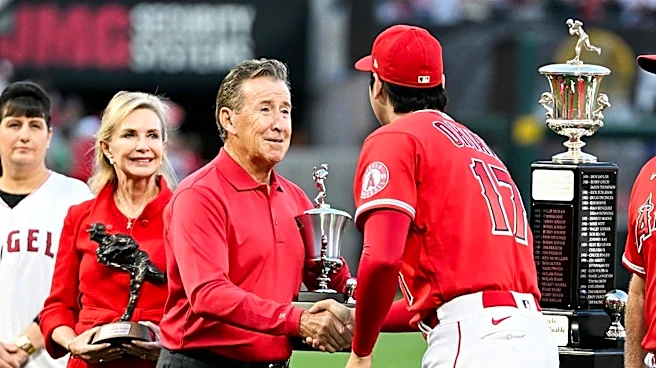
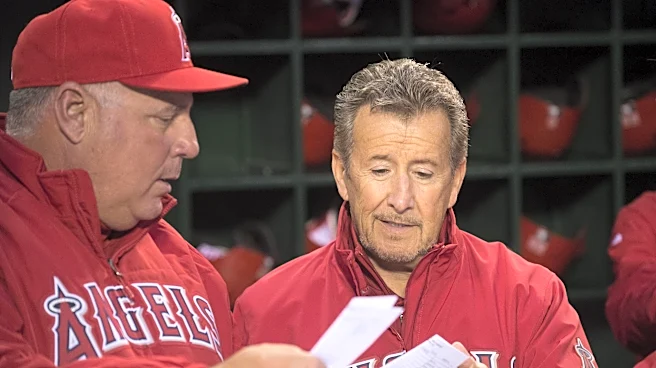
The Los Angeles Angels baseball franchise is currently in a state of significant uncertainty and operational pause. The team's sale to Stan Kroenke is awaiting approval from major-league owners, a process that is not expected to conclude before December.
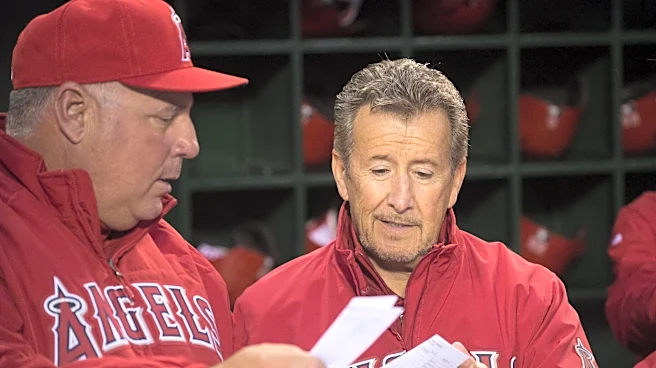
This ownership transition has created a holding pattern for key team decisions. General Manager John Mozeliak is operating in a caretaker capacity, primarily gathering information on potential trades and free agents, but is not expected to make any substantial roster changes. The team also lacks a permanent manager, as first-year skipper Kurt Suzuki was not retained in that role, though he will remain with the organization as a special assistant. The coaching staff is undergoing an overhaul, with pitching coach Tim Leveque and bullpen coach Michael Wuertz being retained in minor-league roles. The new ownership group is reportedly meeting with candidates for the head of baseball operations, but no decision has been announced. This period of limbo is further complicated by the potential for a December 1 lockout, which could halt all team transactions.
Why It's Important?
This period of instability for the Los Angeles Angels carries significant implications for the team's immediate future and competitive standing. The delay in ownership approval and subsequent hiring of key personnel, such as a general manager and manager, means the Angels are unable to actively participate in the crucial offseason player market. This could put them at a disadvantage compared to other MLB teams that are already making strategic moves to improve their rosters. The lack of leadership in baseball operations also hinders the team's ability to address critical roster weaknesses, particularly a bullpen that performed poorly in the previous season. Furthermore, the looming lockout adds another layer of complexity, as it could freeze all transactions just as the team might be ready to make decisions, potentially delaying their rebuilding efforts even further. This situation could impact fan morale and the team's ability to attract top talent in the long run.
What's Next?
The immediate next step for the Los Angeles Angels is the approval of the franchise sale to Stan Kroenke by major-league owners, which is anticipated to occur in December. Following this approval, the new ownership group will likely prioritize the hiring of a permanent General Manager or head of baseball operations. This individual will then be tasked with selecting a new manager for the team. However, these processes are unfolding under the shadow of a potential December 1 lockout, which could temporarily halt all player transactions and further delay the team's ability to make significant roster improvements. Stakeholders, including players, agents, and fans, will be closely watching these developments, as the timing of these decisions will dictate the Angels' approach to the free agency and trade markets. The team's ability to address its roster needs, particularly its bullpen, will depend heavily on the swift resolution of these leadership vacancies and the outcome of collective bargaining negotiations.
Beyond the Headlines
The prolonged state of flux within the Los Angeles Angels organization highlights broader issues within professional sports franchises during ownership transitions. The delay in approving the sale and the subsequent inability to make critical operational decisions can create a significant competitive disadvantage. This situation underscores the importance of clear succession planning and efficient approval processes in sports leagues to maintain competitive balance and operational continuity. Ethically, the uncertainty can impact the careers of players and staff who are left in limbo, unable to plan their futures. Legally, the sale approval process involves complex financial and regulatory hurdles that can extend timelines. Culturally, this period of stagnation can erode fan confidence and engagement, as the team appears unable to move forward. The Angels' current predicament serves as a case study in how external factors, such as ownership changes and labor disputes, can profoundly affect a team's on-field performance and long-term strategic development.