


What's Happening?
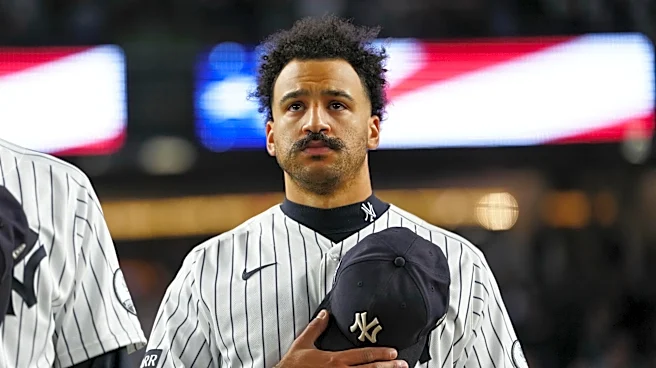
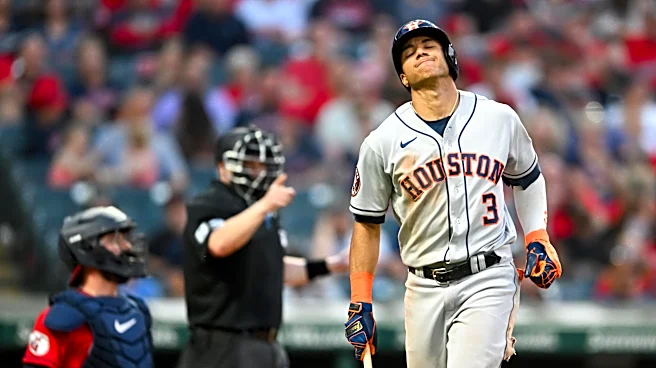
The Houston Astros, under owner Jim Crane, are at a critical juncture regarding the future of their star shortstop, Jeremy Peña. Extension talks between Peña and the Astros have reportedly ended, as confirmed by Bob Nightengale of USA Today. Peña is set
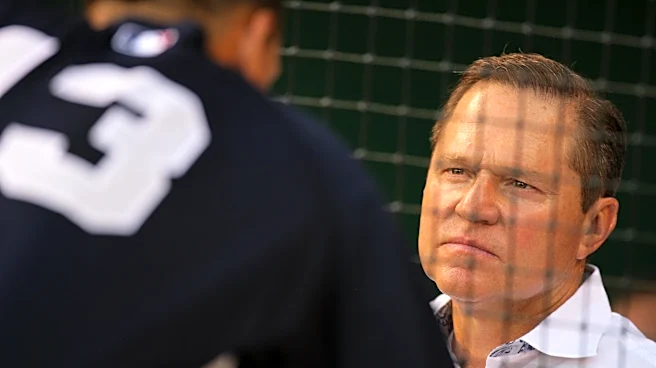
to become a free agent after the 2027 season. This situation mirrors past difficulties the Astros have had in retaining high-profile players like Alex Bregman, Carlos Correa, and Kyle Tucker due to their high contract demands. While the Astros successfully extended Yordan Alvarez and made Jose Altuve an 'Astro for life,' their history shows a reluctance to issue long-term, massive contracts. Peña was reportedly close to signing a five-year extension in 2025, but negotiations faltered after he switched agents to Scott Boras. Consequently, the Astros are now reportedly open to listening to trade offers for Peña this offseason, a strategy they previously employed with Kyle Tucker two years prior. The final decision may also hinge on whether qualifying offers will be part of the new collective bargaining agreement, which could allow the Astros to gain a draft pick if Peña departs.
Why It's Important?
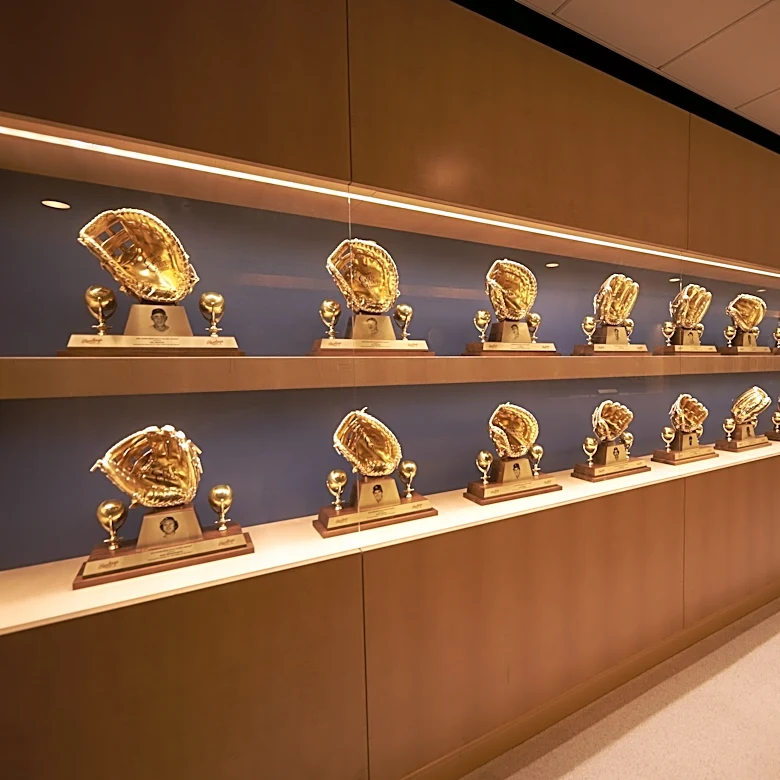
This development is significant for the Houston Astros' competitive outlook and roster construction. Jeremy Peña has been a pivotal player since his debut in 2022, earning World Series MVP and a Gold Glove in his rookie season. His consistent performance, including an OPS above .800 in the last two seasons, makes him a key contributor to the team's success. Losing Peña, either through trade or free agency, would create a substantial void at a premium defensive position. The Astros' willingness to consider trade offers indicates a strategic shift, prioritizing future assets or financial flexibility over retaining a current star at a high cost. This approach could impact fan morale and the team's ability to contend for championships in the immediate future. The potential trade of Peña could also set a precedent for how the Astros manage other upcoming free agents, reinforcing their established pattern of not overspending on long-term deals for all their star players. The outcome will also test the strategic acumen of new general manager Randy Flores.
What's Next?
The immediate next step for the Houston Astros will involve evaluating trade offers for Jeremy Peña during the offseason. General Manager Randy Flores will need to assess potential returns, considering the team's needs in other areas such as outfield or pitching. A successful trade, similar to the one involving Kyle Tucker that brought in Cam Smith, Hayden Wesneski, and Isaac Paredes, could provide the Astros with valuable young talent and address roster deficiencies. If Peña is traded, Carlos Correa could potentially move back to his original shortstop position, with Isaac Paredes remaining at third base. The team will also closely monitor the ongoing collective bargaining agreement negotiations, particularly regarding the future of qualifying offers, as this could influence their strategy if Peña ultimately leaves via free agency. The decision on Peña's future will be a defining moment for the Astros' roster heading into the upcoming seasons, shaping their competitive strategy and financial commitments.
Beyond the Headlines
The situation with Jeremy Peña highlights a broader philosophical approach by the Houston Astros under Jim Crane's ownership: a calculated balance between retaining star talent and maintaining financial flexibility and a robust farm system. This strategy, while successful in maintaining competitiveness over several years, often leads to difficult decisions regarding fan-favorite players. The potential departure of Peña, following others like Correa, underscores a business model that prioritizes sustainable success through player development and strategic acquisitions rather than consistently outbidding other teams for their own stars. This approach can be seen as both pragmatic and potentially alienating for a fanbase that grows attached to championship-winning players. It also raises questions about player loyalty in modern baseball, especially when agents like Scott Boras are involved, often pushing for maximum market value. The Astros' ability to continue contending despite these departures will be a testament to their organizational depth and scouting prowess, but it also signals a continuous cycle of talent evaluation and difficult roster management decisions.