



What's Happening?
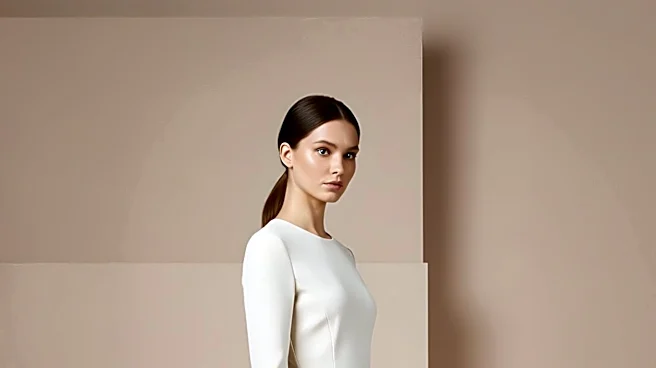
Minimalist fashion is gaining traction as a style built on simplicity, focusing on timeless cuts, solid colors, and versatile basics rather than fleeting trends. This approach encourages individuals to own fewer, higher-quality items that genuinely add
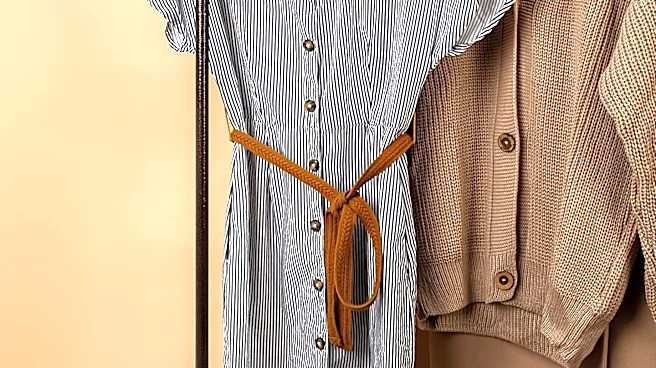
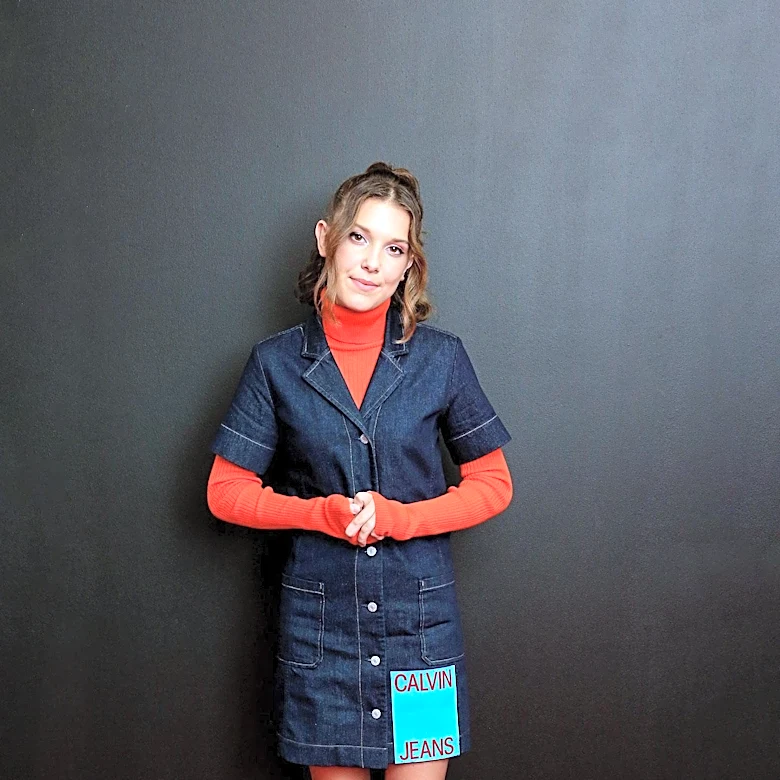
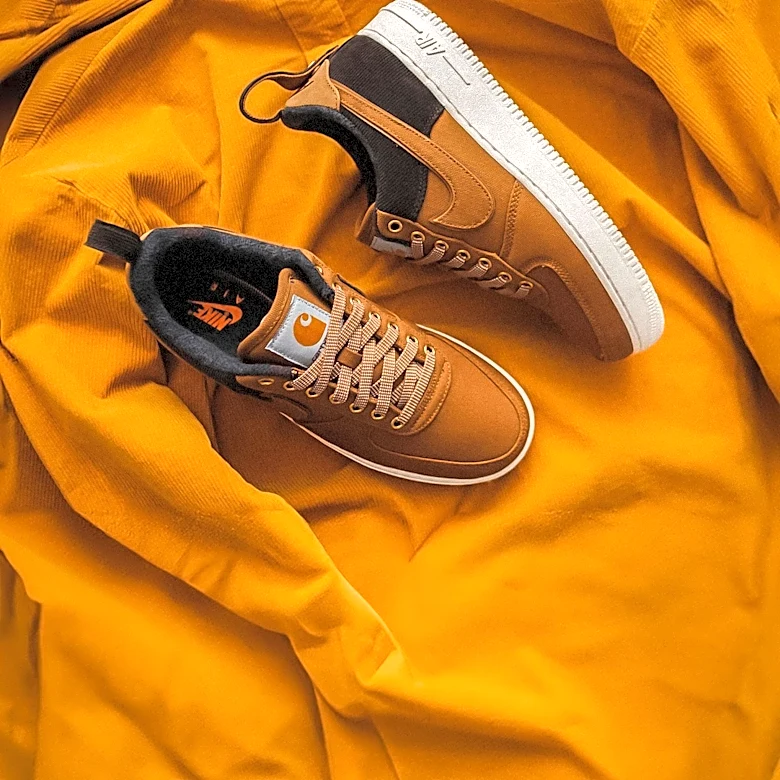
value to their wardrobe and lifestyle. Key features include a neutral color palette (black, white, grey, beige, navy, olive, camel), clean silhouettes without heavy decoration, and durable fabrics like cotton, linen, wool, and denim. The goal is to create a wardrobe where pieces easily mix and match, leading to a consistent and polished personal style. This trend is part of a broader movement towards minimalist living, which also includes decluttering and focusing on intentional consumption.
Why It's Important?
The rise of minimalist fashion reflects a shift in consumer values towards sustainability and intentional living. By prioritizing quality over quantity, individuals can reduce textile waste and contribute to more environmentally friendly consumption patterns. Economically, adopting a minimalist wardrobe can lead to significant savings, as it discourages impulsive purchases and focuses on long-lasting items. Socially, this trend offers practical benefits such as faster morning routines due to fewer choices and a more organized living space. It also promotes a sense of confidence and authenticity, as individuals curate a style that truly reflects them rather than conforming to external pressures of fast fashion. This movement challenges the traditional consumerist mindset by advocating for thoughtful acquisition and appreciation of what one already owns.
What's Next?
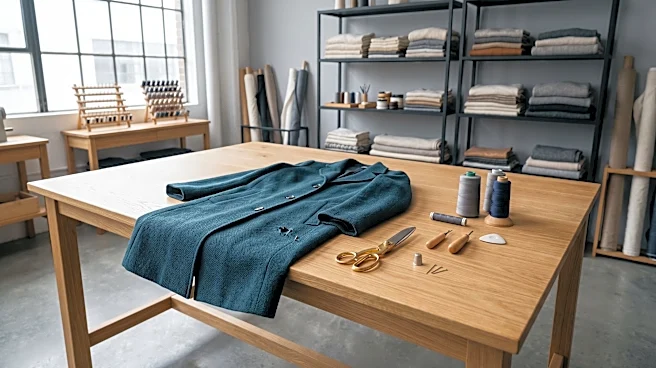
As the minimalist fashion trend continues to grow, it is likely to influence various sectors of the retail industry. We may see more brands focusing on producing high-quality, versatile basics and promoting sustainable manufacturing practices. There could also be an increase in services related to wardrobe curation, decluttering, and clothing repair to support this lifestyle. Educational content on building capsule wardrobes and identifying personal style will likely become more prevalent. Furthermore, the principles of minimalist fashion could extend to other areas of lifestyle, such as home decor and digital decluttering, as people seek to simplify their lives in an increasingly complex world. The emphasis on conscious consumption is expected to drive innovation in sustainable materials and ethical production.
Beyond the Headlines
Beyond its immediate impact on fashion choices, minimalist living, including minimalist fashion, touches upon deeper psychological and cultural implications. It encourages a re-evaluation of what constitutes 'enough' and challenges the societal pressure to constantly acquire new possessions. This philosophy can foster a greater sense of contentment and reduce the mental burden associated with excessive choices and clutter. Culturally, it represents a counter-movement to consumerism, promoting mindfulness and intentionality in daily life. The adoption of minimalist principles can lead to a more focused and less distracted existence, allowing individuals to allocate resources and attention to experiences and relationships rather than material goods. This shift could ultimately contribute to a more sustainable and fulfilling way of life.