





What's Happening?
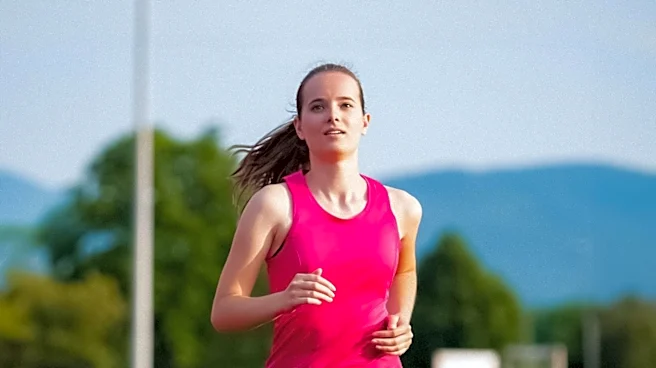
The 'Girls on the Run' program is actively helping young women in several schools, including Hyde Elementary in St. Joseph, Missouri, to build confidence, develop healthy habits, and learn crucial social-emotional skills. School counselor Sydney Shavenore
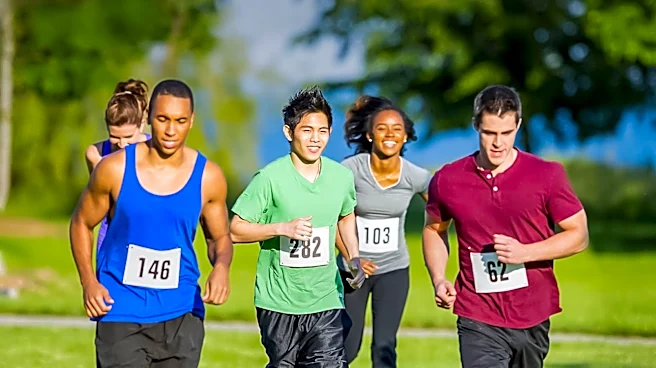
highlights that the program culminates in a 5K run, which serves as a goal for participants to work towards, fostering self-esteem and empowerment. Girls are selected based on their potential to benefit from the program, typically including fourth and fifth graders. Participants like sixth grader McKinley Ziolkowski and fifth grader Adelynn Campbell have reported increased positivity, motivation, confidence, and new friendships through the program. The program encourages girls to find their own pace and support each other, emphasizing that finishing the race, regardless of speed, is a significant achievement.
Why It's Important?
This program is vital for the development of young women in the U.S., addressing critical issues of self-esteem and healthy lifestyle choices during formative years. Research indicates that girls often experience a decline in self-confidence as they approach adolescence, making early intervention programs like 'Girls on the Run' particularly impactful. By combining physical activity with social-emotional learning, the program provides a holistic approach to youth development, promoting both physical health and mental resilience. This initiative contributes to a healthier future generation, potentially reducing the incidence of childhood obesity and fostering positive body image. For communities, it strengthens social bonds among young people and provides a supportive environment for personal growth, demonstrating the power of sports-based youth development programs.
What's Next?
The continued success and expansion of programs like 'Girls on the Run' are crucial for supporting youth development across the U.S. As the program demonstrates tangible benefits in building confidence and healthy habits, it may inspire more schools and communities to adopt similar initiatives. There could be increased funding and support for such non-profit organizations, allowing them to reach a wider demographic of young women. The emphasis on social-emotional learning alongside physical activity aligns with modern educational trends that recognize the importance of holistic development. Future iterations of the program might explore incorporating additional life skills or expanding to different age groups, further solidifying its role as a foundational program for empowering young women.
Beyond the Headlines
Beyond its immediate impact on participants, 'Girls on the Run' addresses deeper societal challenges related to gender equity and the cultivation of female leadership. By empowering young women to set and achieve goals, build confidence, and support one another, the program subtly challenges traditional gender stereotypes and fosters a sense of agency. It teaches girls that their physical capabilities and emotional strength are valuable, contributing to a more equitable future where women are confident in their abilities to lead and succeed. The program's focus on finding one's own pace and mutual support also promotes a collaborative rather than purely competitive mindset, which can have long-lasting positive effects on how these young women approach teamwork and community engagement throughout their lives. It's an investment not just in individual girls, but in the broader social fabric.