




What's Happening?
New York City provides a wide array of affordable fashion choices for residents and visitors, catering to various tastes and budgets. Fast fashion retailers like H&M, Zara, and Forever 21 are prominent, offering trendy and inexpensive clothing that keeps
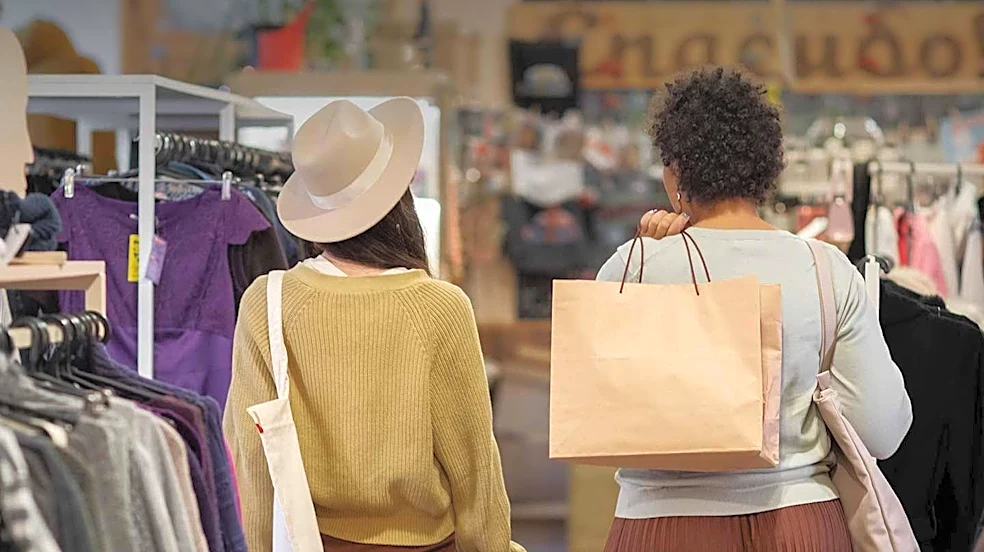
pace with the latest styles. These stores are known for their rapid inventory turnover and accessibility. Beyond fast fashion, NYC also boasts a thriving scene of thrift and second-hand stores, including Crossroads Trading Co., The Real Real (for pre-owned luxury), and Beacon's Closet. These establishments offer a more sustainable alternative, providing pre-loved clothing at significantly reduced prices. Additionally, the city features unique independent boutiques and sustainable fashion brands like Patagonia and Everlane, which focus on eco-friendly options and transparent production practices, further diversifying the affordable fashion landscape.
Why It's Important?
The availability of diverse affordable fashion options in NYC reflects broader trends in consumer behavior and the fashion industry. The prevalence of fast fashion retailers highlights the ongoing demand for trendy, low-cost clothing, which has revolutionized consumption patterns but also raised concerns about sustainability and ethical production. Conversely, the growing popularity of thrift and second-hand stores, along with sustainable brands, indicates a rising consumer awareness and preference for eco-friendly and ethical alternatives. This shift is significant as it encourages a move away from the 'throwaway' culture associated with fast fashion, promoting reuse, recycling, and more conscious consumption. For the economy, these diverse retail segments create jobs and cater to different market demands, from budget-conscious shoppers to those prioritizing sustainability. The blend of options allows consumers to align their purchasing decisions with their values and financial constraints.
What's Next?
The trend towards more sustainable and ethical fashion choices is expected to continue growing in NYC and beyond. This could lead to an expansion of thrift and consignment stores, as well as increased investment in circular fashion initiatives by both established brands and new startups. Fast fashion retailers may face increasing pressure to adopt more sustainable practices, such as using recycled materials, improving labor conditions, and offering garment recycling programs, to remain competitive and appeal to environmentally conscious consumers. We might also see more collaborations between designers and sustainable material suppliers, and a greater emphasis on transparency in supply chains. Consumers are likely to become even more discerning, demanding not only affordability and style but also ethical sourcing and environmental responsibility from their clothing brands. This evolving landscape will likely foster innovation in sustainable fashion technologies and business models.
Beyond the Headlines
The dynamic fashion retail scene in NYC, with its mix of fast fashion, thrift, and sustainable options, underscores a fundamental tension in modern consumer culture: the desire for affordability and trendiness versus the growing imperative for sustainability and ethical consumption. This tension reflects broader societal debates about consumption patterns, environmental impact, and labor practices in global supply chains. The rise of thrift and sustainable fashion is not just a trend but a cultural movement challenging the traditional linear model of production-consumption-disposal. It encourages a more mindful approach to clothing, viewing garments as resources to be reused and valued rather than disposable items. This shift has implications for how we perceive value, quality, and responsibility in the products we buy, potentially leading to a re-evaluation of what 'fashionable' truly means in an era of increasing environmental awareness and social consciousness.