





What's Happening?
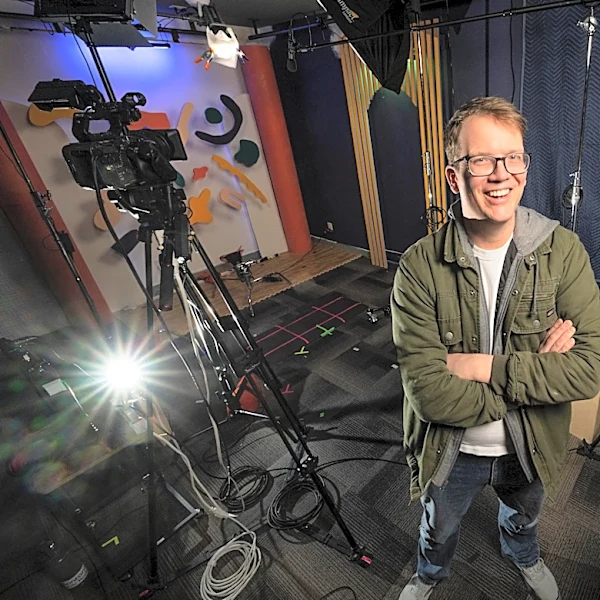
Jeff Hawkins, known for inventing the PalmPilot, has been making significant progress in developing AI models that mimic human brain functions. Hawkins has been working on this concept for over two decades, aiming to create AI that learns and predicts
like the human brain. His company, Numenta, now known as Apical Intelligence, is building an AI platform based on these principles. This platform is designed to function as a sensory motor system, allowing AI to interact with the world in a manner similar to humans. Hawkins believes this technology will become central to AI development in the future.
Why It's Important?
The development of brain-like AI models represents a potential paradigm shift in artificial intelligence. Unlike current AI systems that rely heavily on large datasets, these models could learn from fewer examples, making them more efficient and adaptable. This approach could revolutionize industries reliant on AI by reducing the need for extensive data collection and processing. It also opens up possibilities for more intuitive and human-like AI interactions, which could have significant implications for sectors such as healthcare, robotics, and customer service.
What's Next?
Hawkins' advancements suggest a future where AI systems are more integrated into daily life, offering more natural interactions and decision-making capabilities. As these models continue to develop, they may attract interest from major tech companies and investors looking to capitalize on the next wave of AI innovation. The success of these models could lead to increased competition in the AI field, driving further research and development.
Beyond the Headlines
The ethical implications of creating AI that mimics human cognition are profound. As these systems become more advanced, questions about AI autonomy, decision-making, and the potential for misuse will need to be addressed. Additionally, the shift towards brain-like AI models may influence educational and workforce training programs, emphasizing skills that complement rather than compete with AI capabilities.