





What's Happening?
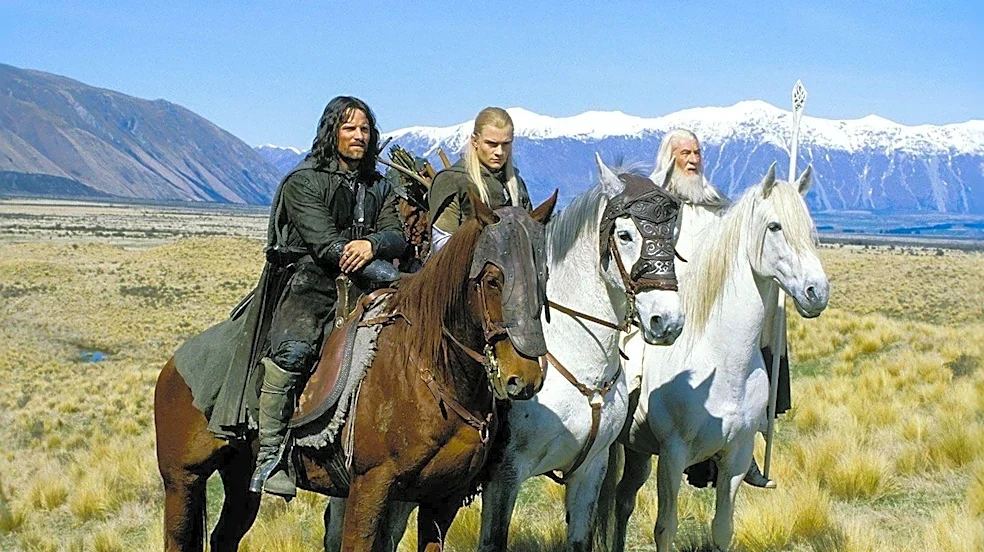
Laika, the acclaimed stop-motion animation studio, is set to release 'Wildwood,' a film described by its creators as their most ambitious project to date, drawing comparisons to 'The Lord of the Rings' in terms of scope and scale. Directed by Travis Knight,
'Wildwood' is an adaptation of Colin Meloy's bestselling YA fantasy novel. The production involved over 1,000 people, 130 sets, and more than 200 puppets, taking five years to shoot. Producer Sam Wilson noted the film comprises over 165,000 individual frames, each captured one at a time. Screenwriter Chris Butler emphasized the technical ambition, stating that the studio's continuous innovation made 'Wildwood' possible, a feat that would have been unachievable a decade ago. The film tells the story of a teenager, Prue, who enters a foreboding forest to rescue her abducted brother, encountering fantastical creatures and becoming embroiled in a large-scale conflict. The team also created a record-breaking 142,000 faces for the puppets, surpassing their previous record.
Why It's Important?
The production of 'Wildwood' signifies a major leap in stop-motion animation, pushing the boundaries of what is technically feasible within the medium. By aiming for a 'Lord of the Rings'-level epic, Laika is challenging the perception of stop-motion as a niche or smaller-scale animation style, potentially elevating its status in the broader film industry. This endeavor highlights the studio's commitment to handcrafted filmmaking in an era increasingly dominated by computer-generated imagery and artificial intelligence. The film's extensive use of practical effects and meticulous detail could set new benchmarks for visual storytelling and character design in animation. Furthermore, its potential success could inspire other studios to invest in and explore the artistic and technical possibilities of stop-motion, fostering innovation and diversity in animated cinema. The comparison to a beloved franchise like 'The Lord of the Rings' also sets high expectations for its narrative depth and emotional impact, potentially attracting a wider audience beyond traditional animation enthusiasts.
What's Next?
With 'Wildwood' nearing its release, the immediate next step will be its theatrical debut, where its reception by critics and audiences will be closely watched. The film is already being positioned for Oscar contention, particularly in the Best Animated Feature category, and potentially for adapted screenplay, score, and even Best Picture. A strong performance at the box office and during awards season could solidify Laika's reputation as a leading innovator in animation and potentially influence future investment in stop-motion projects across the industry. The studio's continued commitment to pushing technical boundaries suggests that future projects will likely build upon the innovations developed for 'Wildwood,' further advancing the art form. The success of 'Wildwood' could also lead to increased interest in the source material, Colin Meloy's 'Wildwood Chronicles,' potentially sparking further adaptations or related media.
Beyond the Headlines
Beyond its technical achievements, 'Wildwood' represents a philosophical stance in the filmmaking world. In an age where AI and digital tools can generate entire worlds with ease, Laika's dedication to the painstaking, frame-by-frame process of stop-motion underscores the value of human artistry, craftsmanship, and patience. This approach resonates with audiences who appreciate the tangible quality and unique aesthetic of handmade cinema, offering a counter-narrative to the often-impersonal nature of purely digital productions. The film's emphasis on empathy and humanity, as highlighted by director Travis Knight, suggests a deeper artistic intention beyond spectacle. This commitment to craft and emotional storytelling could foster a renewed appreciation for traditional animation techniques and the human element in creative endeavors, influencing broader discussions about the role of technology versus artistry in modern media production. It also reinforces the idea that limitations, such as those inherent in stop-motion, can drive profound innovation and unique artistic expression.