






What's Happening?
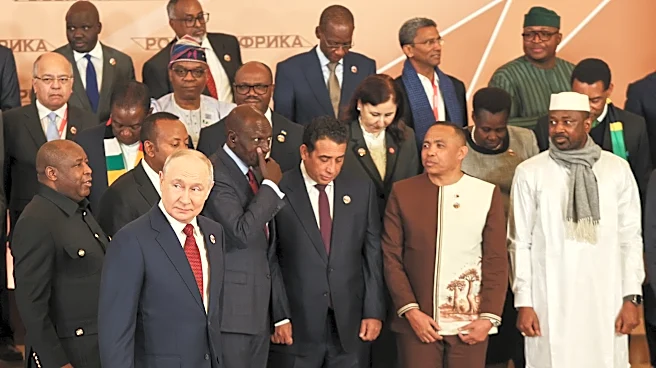
Kenyan public policy analyst Raphael Obonyo has called for African countries to demand greater participation in production, processing, and trade as they strengthen economic partnerships with Russia and other global powers, including the BRICS economic bloc.
Obonyo argues that Africa should shift away from a trade model that primarily involves exporting raw materials and then importing finished products at higher costs. Instead, he advocates for partnerships that facilitate the transformation of natural resources into prosperity for African populations, rather than perpetuating dependence on external markets for manufactured goods. He emphasizes the need for increased investment in local processing industries, technology transfer, and skills development to enable African economies to extract more value from their resources. Obonyo identifies agriculture, energy, transport, and infrastructure as key sectors for deeper investment and cooperation with major economic powers.
Why It's Important?
This perspective highlights a critical shift in how African nations are approaching international economic relations, particularly with emerging blocs like BRICS. By advocating for diversified trade arrangements, payment systems, and logistical routes, Obonyo underscores Africa's ambition to secure a more significant role in the global economy. This move could reduce reliance on traditional Western-dominated financial systems and foster greater economic independence. For U.S. industries and economic stakeholders, this development signals a potential reorientation of trade flows and investment opportunities, as African countries seek partners who offer more equitable terms and support local industrial development. The emphasis on local production and value addition could lead to increased competition for U.S. goods and services in African markets, while also presenting new avenues for collaboration in technology transfer and infrastructure development if U.S. companies adapt to these evolving demands.
What's Next?
Discussions on Russia-Africa relations and broader engagements with the BRICS bloc are expected to increasingly focus on practical opportunities that support local production and industrial development within Africa. This will likely involve African nations pushing for more technology transfers and training programs to bolster their productive capacity and enable more meaningful participation in global value chains. The call for diversified payment systems suggests a potential move away from traditional financial mechanisms, which could lead to the adoption of alternative currencies or digital payment platforms for international trade. Major stakeholders, including political leaders in African nations and BRICS member states, are likely to explore and implement policies that facilitate these new trade and investment frameworks, potentially impacting global economic dynamics and the influence of existing financial institutions.
Beyond the Headlines
The analyst's call for diversified trade and payment systems with the BRICS economic bloc touches upon deeper implications concerning global economic power shifts and the pursuit of economic sovereignty by developing nations. Ethically, it raises questions about equitable partnerships and the historical imbalances in trade relations between resource-rich nations and industrialized powers. Culturally, it reflects a growing assertiveness among African nations to define their own development trajectories and leverage their resources for internal prosperity rather than solely for external benefit. This long-term shift could challenge established economic norms and foster a more multipolar global economic order, where regional blocs and alternative financial mechanisms play a more prominent role, potentially reshaping international trade law and financial regulations.