
What's Happening?
Modern automotive lighting upgrades are offering vehicle owners enhanced visibility, improved safety, and personalized style. Factory halogen headlights are often insufficient for dark roads and lack customization options. LED and HID systems provide
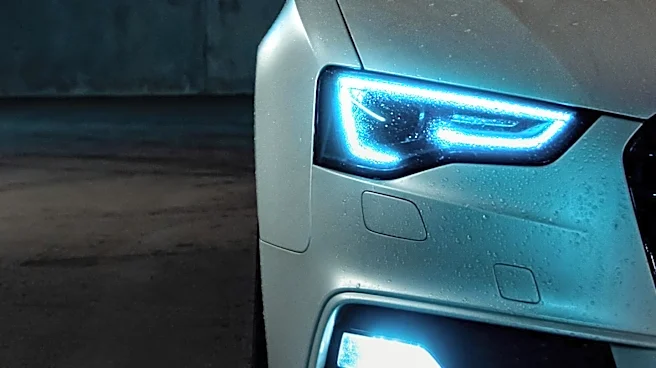
brighter light, lower energy consumption, and longer lifespans compared to halogens. Beyond headlights, custom exterior lighting options include underbody lighting, grille lights, halo headlights, and logo emblem ghost lights, allowing for unique aesthetic expressions. Smart controls, often managed via smartphone apps, enable drivers to change colors, sync lights to music, or select specific effects. Interior ambient lighting is also gaining popularity, adding color to footwells, dashboard trim, and door panels to create a personalized cabin atmosphere. Professional installation is crucial for these upgrades due to the complex electrical systems in modern vehicles, ensuring proper integration and compliance with local regulations.
Why It's Important?
The trend of upgrading vehicle lighting has significant implications for the U.S. automotive aftermarket industry. Increased demand for LED and HID systems, as well as custom ambient lighting, drives innovation and sales for manufacturers and installers. For consumers, these upgrades offer tangible benefits in terms of road safety, as brighter and more effective headlights can reduce accident risks. The personalization aspect caters to a growing desire among vehicle owners to express their individuality through their cars, fostering a vibrant customization market. However, the importance of professional installation highlights a need for skilled technicians, creating job opportunities and emphasizing the value of certified services. The varying legal requirements for exterior lighting across different locations also underscore the need for consumer awareness and responsible modification practices.
What's Next?
The automotive lighting sector is expected to continue its evolution with further advancements in smart lighting technologies. Integration with vehicle infotainment systems and advanced driver-assistance systems (ADAS) could become more common, allowing for adaptive lighting that responds to driving conditions and surroundings. The development of more energy-efficient and durable LED and laser lighting solutions will likely persist. As vehicle connectivity increases, remote diagnostics and over-the-air updates for lighting systems could become standard. The regulatory landscape for custom and aftermarket lighting will also likely evolve to address safety concerns and ensure uniformity across states. Furthermore, the demand for seamless, OEM-style integrated ambient lighting kits, which blend into factory interior trim, suggests a future where customization is increasingly sophisticated and integrated.
Beyond the Headlines
The emphasis on vehicle lighting upgrades extends beyond mere functionality and aesthetics, touching upon broader cultural and psychological aspects of car ownership. For many, a vehicle is an extension of personal identity, and customizable lighting allows for a unique form of self-expression. The 'mood' setting capabilities of ambient interior lighting reflect a desire to create a more comfortable and personalized sanctuary within the car, transforming daily commutes into more enjoyable experiences. This trend also highlights the increasing convergence of technology and design in the automotive sector, where advanced electronics are used to enhance both performance and sensory appeal. The ethical considerations include ensuring that custom lighting does not become a distraction for other drivers or violate local traffic laws, balancing individual expression with public safety. The long-term impact could see vehicles becoming even more personalized and technologically integrated spaces.