





What's Happening?
Tulum, Mexico, is being highlighted as a versatile travel destination, offering a range of luxury accommodations and activities. For those seeking high-end stays, options like La Zebra provide beachfront luxury with private terraces and dedicated beach beds.
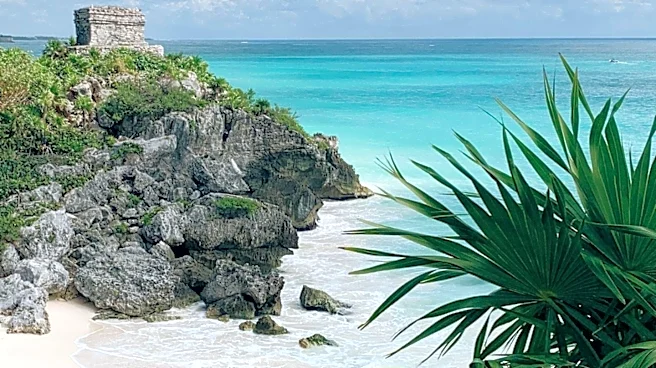
BE Destination Tulum features elegant suites, multiple on-site restaurants, and direct access to the Caribbean Sea. The Conrad Tulum Riviera Maya is noted as a five-star eco-luxury resort situated on a private white-sand beach. Olas Tulum offers spacious oceanfront suites with tropical garden views. Beyond luxury, Tulum caters to various interests, including waterpark resorts for family fun, as detailed by Jaydon's account of 'splashtastic' getaways. The Hilton Tulum Riviera Maya All-Inclusive Resort, for instance, offers distinct experiences for different traveler types, from quiet, elevated stays in its Enclave section to lively family-oriented activities around its main pools. The resort also manages environmental factors like sargassum, maintaining usable beaches even during peak season. Additionally, Tulum is a hub for cultural activities, with events like salsa and bachata nights, and opportunities to explore historical sites such as the Tulum Ruins and nearby cenotes.
Why It's Important?
The diverse offerings in Tulum are important for the U.S. tourism market as they cater to a broad spectrum of American travelers, from those seeking luxurious, tranquil retreats to families looking for active, all-inclusive experiences. The availability of eco-luxury resorts aligns with a growing trend among U.S. consumers towards sustainable travel options. The emphasis on family-friendly amenities, including waterparks and varied dining options that accommodate dietary restrictions, makes Tulum an attractive destination for multi-generational trips. Furthermore, the region's commitment to managing environmental challenges like sargassum ensures a consistent quality of experience, which is crucial for repeat tourism from the U.S. The blend of relaxation, adventure, and cultural immersion, including historical sites and dance events, positions Tulum as a comprehensive vacation spot, potentially drawing significant tourism revenue and fostering cultural exchange with U.S. visitors. The varied price points and experiences also mean that Tulum can appeal to different economic segments of the U.S. travel market.
What's Next?
Tulum is expected to continue attracting a wide range of U.S. tourists, with ongoing efforts to enhance visitor experiences. The region will likely see continued development in luxury and eco-friendly accommodations to meet demand. Resorts like the Hilton Tulum will likely refine their offerings to cater to both quiet adult-focused and lively family-focused segments, potentially leading to more specialized zones or packages. Cultural events, such as salsa and bachata nights, are scheduled to continue, providing consistent entertainment options. Tour operators will likely continue to offer excursions to the Tulum Ruins and cenotes, with an emphasis on early morning departures to avoid heat and crowds. Travelers planning visits during warmer months will need to remain aware of sargassum season, though resorts are actively managing beach conditions. The sustained popularity of Tulum suggests continued investment in infrastructure and tourism services, further solidifying its position as a premier destination for U.S. travelers.
Beyond the Headlines
The evolution of Tulum as a tourist destination highlights broader trends in the travel industry, particularly the demand for personalized experiences within larger resorts. The ability of a single resort, like the Hilton Tulum, to offer vastly different atmospheres—from serene luxury to vibrant family fun—reflects a strategic adaptation to diverse consumer preferences. This approach allows resorts to maximize occupancy by appealing to multiple market segments simultaneously. Furthermore, the proactive management of natural phenomena such as sargassum underscores the increasing importance of environmental stewardship and transparency in the tourism sector. Destinations that effectively address ecological concerns while maintaining high service standards are likely to gain a competitive edge. The integration of local culture, through events like traditional dance nights and excursions to historical sites, also enriches the tourist experience, moving beyond mere relaxation to offer educational and immersive opportunities, which can foster a deeper appreciation for the host country among U.S. visitors.