







What's Happening?
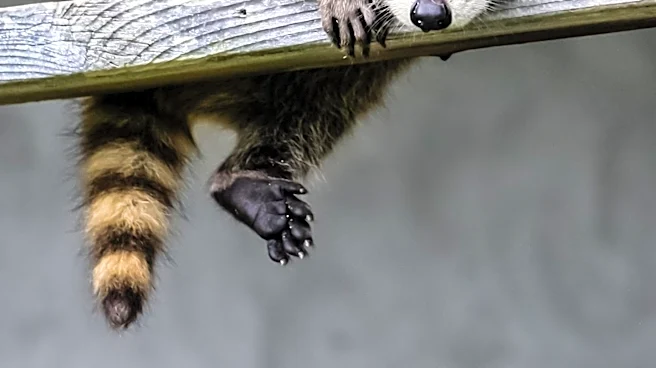
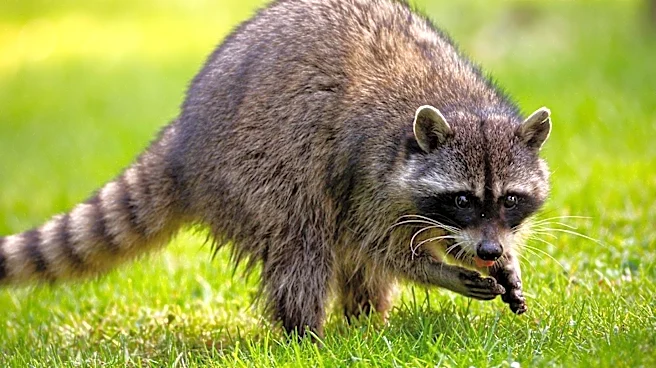
Jimothy, a peculiar raccoon from Seattle, has captured the internet's attention, becoming a viral sensation. The raccoon, noted for its unusual appearance, is speculated by veterinarians to have short spine syndrome, a condition that affects some animals.
Despite this, Jimothy has reached maturity and continues to intrigue viewers with its distinctive look. The internet's fascination with Jimothy follows a pattern of animal celebrities, such as Punch the monkey and Moo Deng the hippo, who have previously captured public interest. Jimothy's rise to fame has led to a surge in memes and merchandise, with sellers on platforms like Etsy and Amazon capitalizing on its image. However, Jimothy itself is unlikely to benefit from these commercial endeavors.
Why It's Important?
Jimothy's viral fame highlights the internet's ongoing fascination with unique and unconventional subjects, offering a break from the polished and curated content often generated by artificial intelligence. This phenomenon underscores a cultural preference for authenticity and spontaneity, as people gravitate towards content that feels genuine and unscripted. The commercial exploitation of Jimothy's image also reflects the rapid monetization of viral trends, where internet sensations are quickly turned into merchandise opportunities. This cycle raises questions about the ethical implications of profiting from viral fame, especially when the subject, like Jimothy, cannot partake in the benefits.
What's Next?
As with many viral sensations, Jimothy's popularity may be fleeting, with public interest potentially waning as new trends emerge. However, the current fascination could lead to further exploration of how viral fame impacts both the subjects and the creators involved. Stakeholders in digital media and commerce might continue to explore ways to ethically engage with viral content, ensuring that the subjects of such fame are respected and that the commercial benefits are distributed fairly. Additionally, the phenomenon may prompt discussions on the sustainability of viral fame and its long-term effects on internet culture.
Beyond the Headlines
Jimothy's story also invites a deeper examination of the internet's role in shaping cultural narratives and the power dynamics involved in viral fame. The rapid rise and fall of internet celebrities like Jimothy highlight the transient nature of digital fame and the challenges of maintaining public interest. This case also raises questions about the responsibility of content creators and consumers in perpetuating viral trends and the potential consequences for the subjects involved. As digital platforms continue to evolve, the ethical considerations surrounding viral content and its impact on society will likely remain a topic of discussion.