






What's Happening?
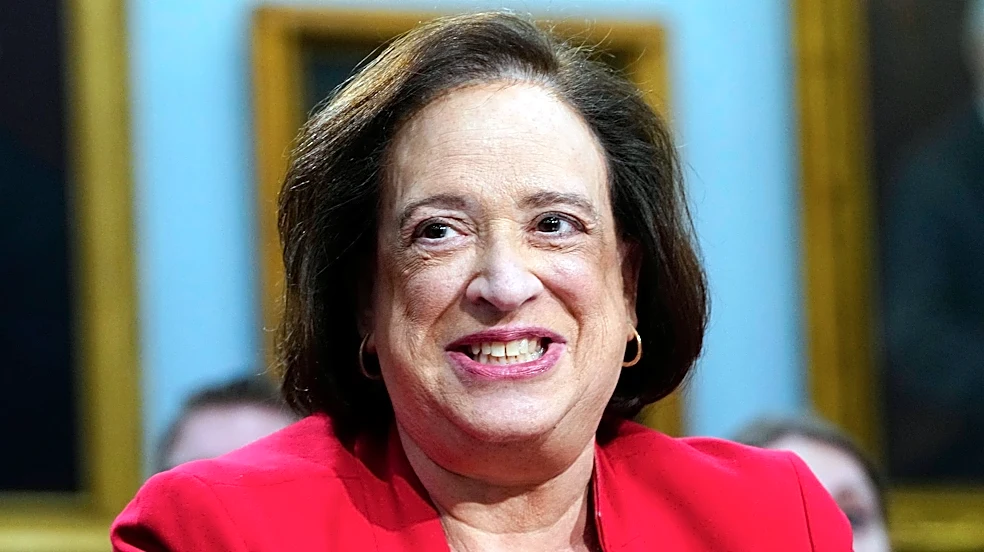
Mollie Hemingway, a prominent figure in American political journalism, has built a career as editor-in-chief of The Federalist, a Fox News contributor, and a bestselling author. Her work frequently addresses contentious debates, including Supreme Court
issues and media coverage of presidential elections. While her professional roles are well-documented by her publishers, Fox News, and Hillsdale College, her exact personal net worth remains unverified. Online estimates typically range from $1 million to $3 million, but these figures lack detailed public accounting of her assets, liabilities, book royalties, or employment income. This discrepancy highlights a broader issue of transparency regarding the financial details of public figures in media.
Why It's Important?
The lack of verifiable financial information for public figures like Mollie Hemingway underscores a challenge in contemporary media and public discourse. While her professional achievements are clear, the speculative nature of her net worth estimates can lead to misinformation and misperceptions about the financial realities of journalism and commentary. This situation is important because it affects how the public perceives the credibility and motivations of media personalities. For economic stakeholders, it illustrates the difficulty in assessing the financial landscape of the media industry, where income sources can be diverse and often private. The reliance on unverified online estimates can also contribute to a culture where financial success is assumed rather than factually established, potentially influencing career aspirations and public expectations within the industry.
What's Next?
The trend of online net worth estimates for public figures is likely to continue, driven by public curiosity and the proliferation of information. However, without greater transparency from individuals or more rigorous verification methods from reporting entities, these estimates will remain speculative. This situation may prompt further discussions within the journalism industry about the balance between public interest in a figure's financial standing and their right to privacy. It could also lead to increased skepticism among the public regarding unverified financial claims. For individuals in similar public roles, it reinforces the reality that their professional success may be widely known, while their personal financial details often remain private and subject to estimation rather than factual reporting.
Beyond the Headlines
The phenomenon of unverified net worth estimates for public figures touches upon deeper implications concerning privacy, public perception, and the nature of celebrity in the digital age. Ethically, it raises questions about the responsibility of online platforms to present accurate financial information and the potential harm of speculative reporting. Legally, it highlights the challenges of enforcing accuracy in a landscape where personal financial data is often protected. Culturally, the fascination with net worth reflects a societal emphasis on wealth as a measure of success, even when the figures are not substantiated. This ongoing dynamic contributes to a broader conversation about how information is consumed and verified in an era of abundant, yet often unconfirmed, data.