




What's Happening?
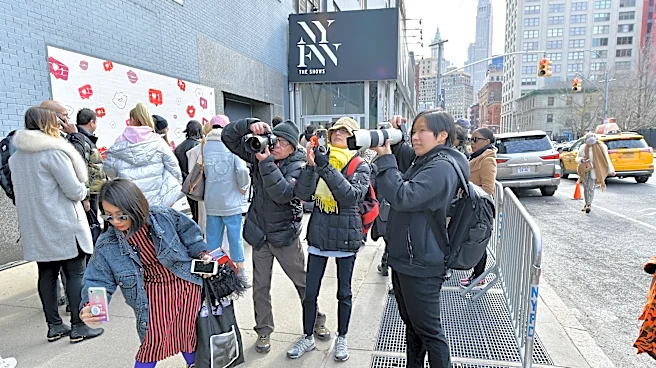
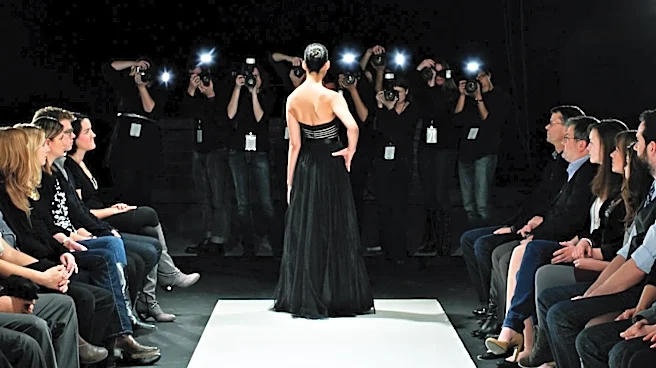
New York Fashion Week (NYFW) is slated to take place from February 10 to 16, 2027, featuring a packed schedule of shows, presentations, showroom appointments, and dinners across Manhattan and Brooklyn. For event producers, managing the intricate logistics
of transportation for models, designers, stylists, and VIP guests is a critical component of the week's success. Given the tight schedule, with shows often starting minutes apart in different neighborhoods, and the scarcity of taxis during peak times, reliable car services are essential. Companies like Royal Executive Limo highlight the need for call-time precision, the ability to manage multiple vehicles simultaneously for various personnel, and sufficient space for both people and equipment. Live tracking of vehicles and a 24/7 dispatch team are also crucial for adapting to last-minute schedule changes inherent to NYFW.
Why It's Important?
New York Fashion Week is a significant cultural and economic event for the United States, particularly for New York City. It serves as a global platform for American designers to showcase their collections, influencing international fashion trends and driving sales within the apparel industry. The efficient execution of NYFW, heavily reliant on seamless logistics, directly impacts the reputation of New York as a fashion capital and the success of participating brands. Delays or disruptions in transportation can lead to missed appointments, negative press, and financial losses for designers and event organizers. The emphasis on precise scheduling and adaptable services underscores the high-stakes nature of the event, where every minute counts. Furthermore, the event generates substantial revenue for local businesses, including hospitality, transportation, and retail, making its smooth operation vital for the city's economy.
What's Next?
Event producers and transportation providers will continue to refine their logistical strategies to meet the demanding requirements of NYFW. Early booking of car services, detailed itinerary sharing, and flexible dispatch capabilities will remain key priorities. The ongoing evolution of urban transportation, including potential advancements in ride-sharing and public transit, could influence future planning for NYFW. Additionally, as the fashion industry increasingly focuses on sustainability, there may be a growing demand for eco-friendly transportation options during future fashion weeks. The lessons learned from managing the complexities of NYFW in February 2027 will inform the planning for subsequent events, aiming to enhance efficiency and reduce potential disruptions for all participants.
Beyond the Headlines
The logistical challenges of NYFW highlight the broader complexities of managing large-scale, multi-venue events in dense urban environments. The need for precise coordination and real-time adaptability in transportation reflects the 'always-on' nature of modern event production. This also sheds light on the often-unseen labor and infrastructure required to support glamorous public spectacles. The reliance on specialized car services, rather than general public transport, underscores the premium placed on efficiency and reliability for high-profile individuals and critical personnel. This dynamic can also exacerbate urban traffic congestion and environmental impact, prompting discussions about sustainable event planning and the integration of public transport solutions for broader attendee access in the future.