



What's Happening?
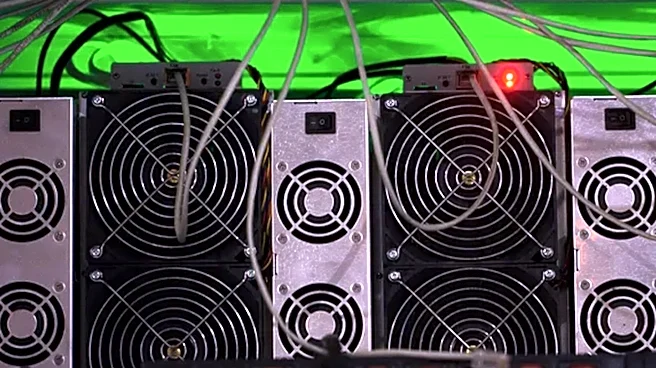
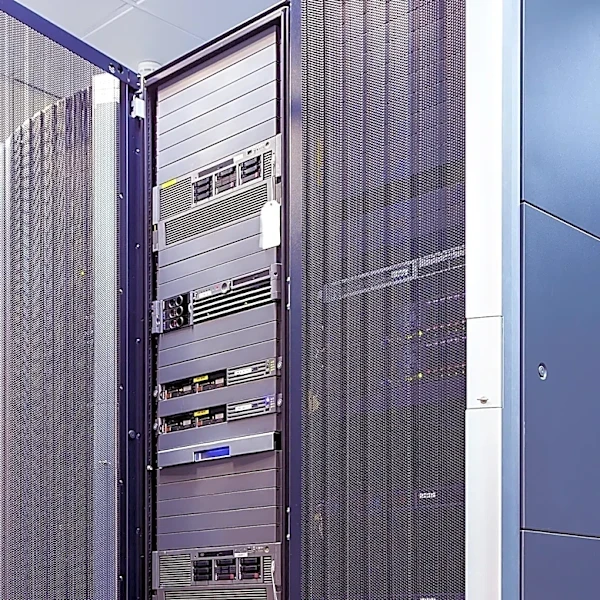
Elon Musk announced that SpaceX and xAI will exclusively use Nvidia GPUs, citing their superior architecture. During a SpaceX earnings call, Musk praised Nvidia's Vera Rubin NVL72 rack-scale system, highlighting its design and performance. Historically,
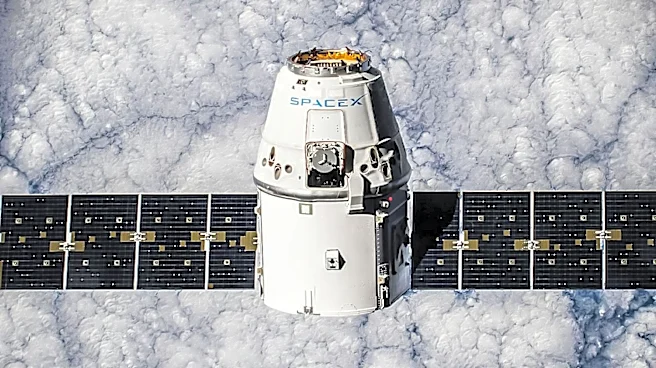
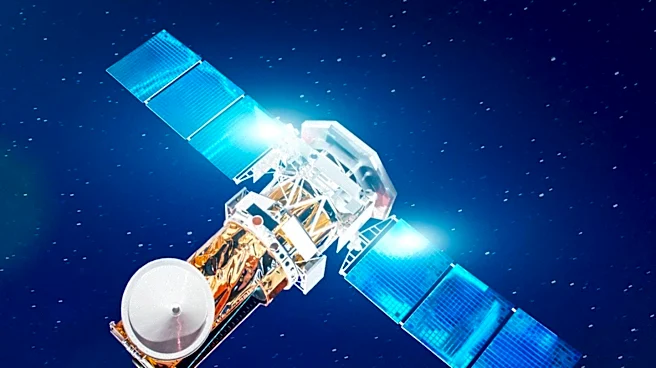
xAI has used Nvidia's hardware for training its AI models, and this formal exclusivity underscores Nvidia's dominance in the AI accelerator market. SpaceX plans to deploy the Vera Rubin system not only in data centers but also in space, with the Starmind AI satellite expected to launch next year. This satellite will feature an optimized version of the NVL72 computer, marking a significant step in space-based AI technology.
Why It's Important?
This decision by SpaceX to exclusively use Nvidia GPUs solidifies Nvidia's position as a leader in AI hardware, potentially influencing other companies to follow suit. The deployment of advanced AI systems in space could revolutionize data processing and analysis for space missions, enhancing capabilities in satellite operations and space exploration. This move also highlights the growing importance of AI in space technology, as companies seek to leverage powerful computing systems to manage complex tasks. The collaboration between SpaceX and Nvidia could drive innovation in AI applications, setting new standards for performance and reliability in both terrestrial and extraterrestrial environments.
What's Next?
SpaceX's plan to launch the Starmind AI satellite with Nvidia's technology is set for next year, which will be a significant milestone in space-based AI deployment. The success of this mission could lead to further collaborations between SpaceX and Nvidia, potentially expanding the use of AI in other space-related projects. The industry will be watching closely to see how this partnership influences the development of AI technologies and their applications in space. Additionally, other AI hardware developers may need to innovate to compete with Nvidia's growing influence in this sector.