



What's Happening?
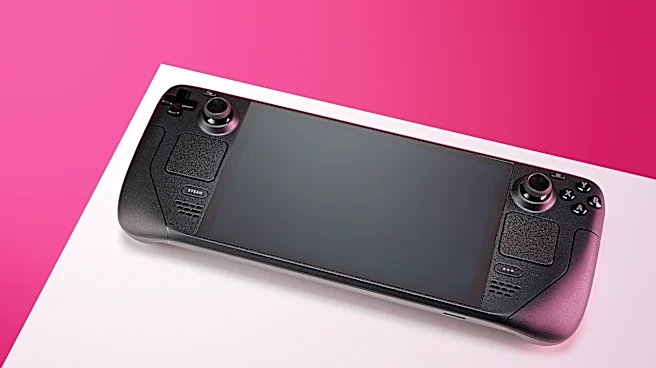
Valve has released two new beta updates for its SteamOS platform: SteamOS 3.9.7 Beta for traditional devices like the Steam Deck and Steam Machine, and SteamOS 0.5.11 Beta specifically for the Steam Frame VR headset. The SteamOS 3.9.7 Beta focuses on general
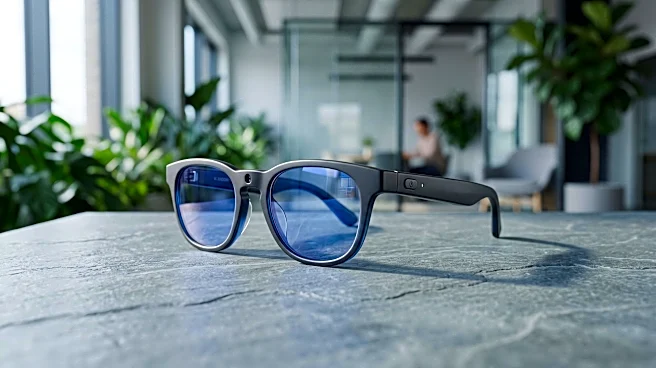
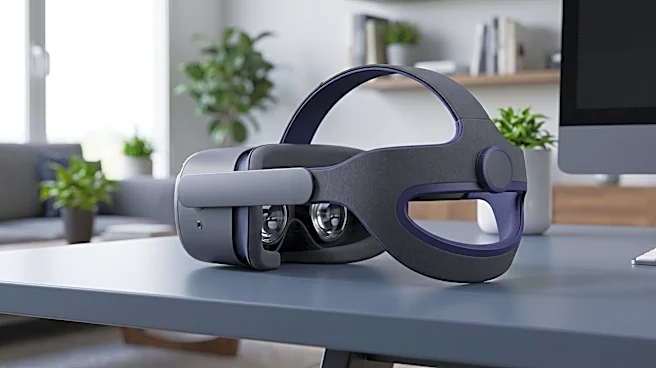
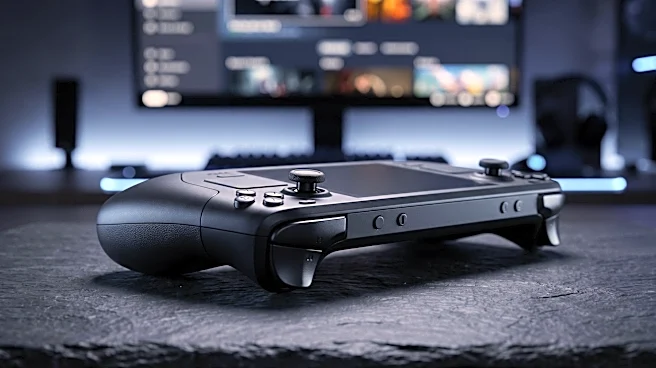
improvements, including fixing a rare rendering corruption error, addressing a backlight adjustment regression, updating timezone definitions, and implementing security and stability updates. It also includes previous 3.9.6 updates that improved frame timing with and without VRR, reduced missed frames, and fixed various display and game-specific issues. For the Steam Frame VR headset, the 0.5.11 Beta introduces significant enhancements to Camera Pass Through/Room View features, allowing for chroma key streaming and per-app settings. It also improves headset tracking robustness, reduces power usage in idle states, and addresses charging issues and display problems. Image quality improvements, such as global display sharpness control and reduced 'green tint,' are also part of this update, alongside fixes for controller battery display and audio enhancements.
Why It's Important?
These beta updates are important for enhancing the user experience and functionality of Valve's hardware ecosystem, particularly for the Steam Deck and the Steam Frame VR headset. For Steam Deck users, the general improvements in SteamOS 3.9.7 Beta aim to provide a more stable and visually consistent gaming experience, addressing common issues like rendering glitches and frame timing. This directly impacts the playability and enjoyment of games on the portable device, potentially increasing user satisfaction and adoption. The Steam Frame VR headset's 0.5.11 Beta update is crucial for advancing virtual reality technology. Features like chroma key streaming and improved room view capabilities could open new avenues for immersive VR content creation and consumption, making the VR experience more seamless and interactive. Enhanced tracking and power management also contribute to a more comfortable and extended VR session, which is vital for the growth of the VR market. These updates demonstrate Valve's ongoing commitment to refining its hardware and software, which could influence the broader gaming and VR industries by setting new standards for performance and user features.
What's Next?
Following these beta releases, Valve will likely gather feedback from users to further refine the updates before a stable public release. Users participating in the beta programs will report any new bugs or performance issues, which will inform subsequent patches and improvements. For Steam Deck, future updates may continue to focus on optimizing game compatibility, system stability, and battery life, ensuring it remains a competitive portable gaming device. For the Steam Frame VR headset, the emphasis will likely be on expanding VR content integration, improving the fidelity and responsiveness of the VR environment, and potentially introducing new features that leverage its unique capabilities. Developers will also need to adapt their games and applications to fully utilize the new features, especially the advanced chroma key and streaming options for VR. The success of these beta updates will play a significant role in shaping the future development roadmap for both the Steam Deck and the Steam Frame, influencing their market position and user base.
Beyond the Headlines
The continuous development of SteamOS for both traditional gaming devices and VR headsets highlights a broader trend in the technology industry: the convergence of gaming and immersive experiences. Valve's investment in the Steam Frame VR headset, alongside the Steam Deck, indicates a strategic move to capture different segments of the gaming market, from portable gaming to high-fidelity virtual reality. The advanced features in the Steam Frame beta, such as chroma key streaming, suggest a push towards more integrated mixed-reality experiences, blurring the lines between the physical and virtual worlds. This could have long-term implications for how content is created and consumed, potentially leading to new forms of entertainment, education, and social interaction. The ongoing refinement of SteamOS also underscores the importance of open-source operating systems in fostering innovation and customization within the hardware ecosystem. As these platforms mature, they could empower a wider range of developers and users to create and experience digital content in novel ways, driving the evolution of interactive media.