



What's Happening?
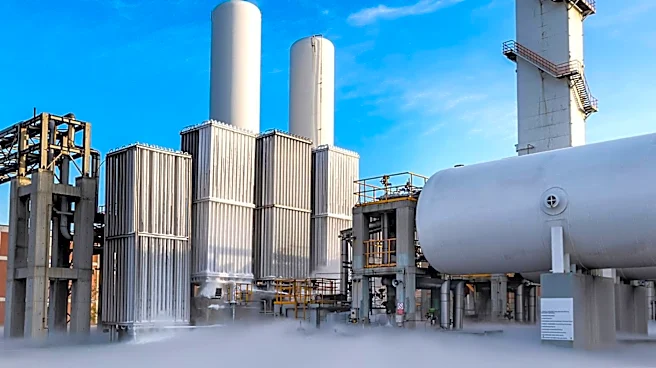
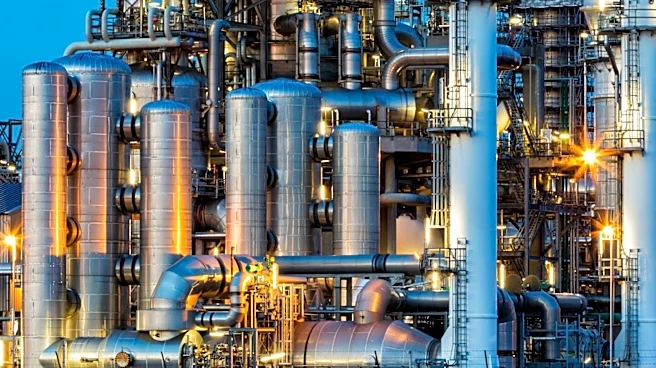
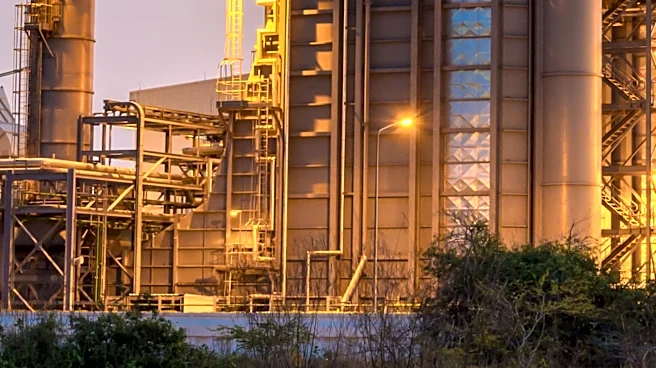
CHS, a leading farmer-owned cooperative, and OCP North America, a subsidiary of OCP Group, have announced a major initiative to bolster the domestic fertilizer supply in the United States. They plan to construct and operate a phosphate fertilizer production
facility at Cornerstone Energy Park in Waggaman, Louisiana. This plant is projected to produce over 1 million metric tons of phosphate-based fertilizer annually, marking the first such facility built in the U.S. in more than four decades. The U.S. currently imports approximately 40% of its phosphate-based fertilizer, and this new venture aims to significantly reduce that dependency. OCP Group will supply phosphoric acid to the facility, leveraging its global expertise, while the finished fertilizer products will be distributed through both OCP North America and CHS's extensive network across the U.S. The proposed location in Waggaman offers strategic access to raw materials and transportation via the Mississippi River system.
Why It's Important?
This joint venture is critical for strengthening U.S. food security and reducing reliance on imported fertilizers. American farmers depend on phosphate fertilizer to cultivate crops, and the declining domestic phosphate reserves have made the U.S. increasingly vulnerable to global supply chain disruptions and price volatility. By bringing fertilizer production closer to American farmers, the project aims to create more value for cooperative owners and ensure a more reliable and domestically produced supply of essential crop nutrients. The initiative aligns with the U.S. government's priority to expand domestic fertilizer production capacity, potentially reducing U.S. dependence on imported phosphate-based fertilizer by over 48%. This move could stabilize agricultural input costs, enhance the competitiveness of American agriculture, and contribute to the overall economic resilience of the farming sector.
What's Next?
The project is currently subject to project-related and funding approvals. An application has been submitted for potential funding through the U.S. Department of Agriculture’s Fertilizer Investment & Expansion for Long-term Domestic Supply program, indicating government support for such initiatives. Once approved, construction of the facility is anticipated to take up to 24 months. The project is expected to generate approximately 60 permanent, high-impact jobs in Jefferson Parish, along with 500 construction jobs, and an estimated total employment of 924 direct and services-support jobs. Beyond the economic impact, CHS and OCP have also committed to charitable giving in the greater New Orleans area, demonstrating a broader investment in the local community. The successful implementation of this project could serve as a model for future domestic production initiatives in critical sectors.
Beyond the Headlines
The establishment of this fertilizer plant signifies a broader strategic shift towards re-shoring critical supply chains and enhancing national self-sufficiency, particularly in essential sectors like agriculture. The long-term implications extend beyond immediate economic benefits, touching upon national security by ensuring a stable food supply independent of geopolitical fluctuations. This move could also spur innovation in domestic fertilizer production, potentially leading to more sustainable and environmentally friendly manufacturing processes. Furthermore, the collaboration between a farmer-owned cooperative and an international group highlights the evolving landscape of global partnerships aimed at addressing localized needs. The project's success could encourage similar investments in other agricultural inputs, fostering a more robust and resilient U.S. agricultural infrastructure and reducing the vulnerability of American farmers to global market volatility.