



What's Happening?
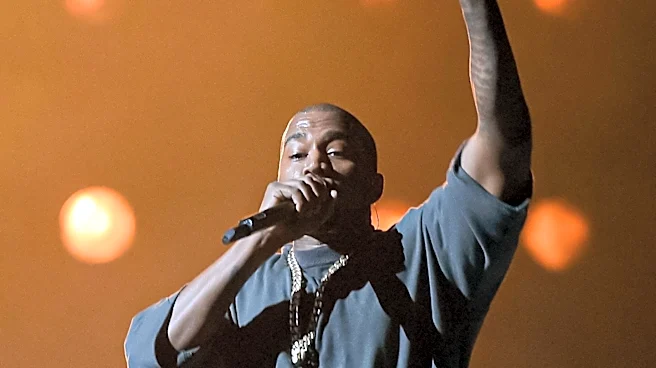
Chance the Rapper, whose real name is Chancelor Jonathan Bennett, has publicly defended Kanye West regarding a heated exchange that occurred in 2020. The incident, captured in a documentary about the making of West's album 'Donda' by filmmaker Dame Dash,
showed West yelling at Chance the Rapper during a visit to West's Wyoming compound. Chance had traveled there out of concern for West's mental health, following alarming reports. Reflecting on the event, Chance stated that he was 'really, really sick at the time' and emphasized that West is human and was grappling with personal struggles. He criticized those who judged the situation without full context, noting that he has witnessed West's vulnerabilities and genuine moments that others might not have seen. This is not the first time Chance has addressed the confrontation, having previously mentioned that critics viewed a short clip in a vacuum, lacking the complete picture. Despite the public nature of the argument, Chance reiterated his affection for West, calling him 'my guy' and expressing regret that such a genuine moment could be exploited.
Why It's Important?
This defense by Chance the Rapper is significant as it offers a different perspective on a widely publicized incident involving two prominent figures in the U.S. music industry. It highlights the complexities of personal relationships and mental health challenges within the public eye, particularly for artists like Kanye West, whose actions often draw intense scrutiny. Chance's comments underscore the human element behind celebrity personas, urging a more empathetic understanding of individuals facing personal difficulties. For fans and the broader public, it provides insight into the dynamics between artists and challenges the often-superficial interpretations of events presented through media clips. This narrative could influence public perception of both artists, potentially fostering a more nuanced discussion about mental health awareness and the pressures faced by public figures. It also reinforces the idea that long-standing collaborations and friendships can endure despite public disagreements, offering a counter-narrative to the often-sensationalized portrayal of celebrity conflicts.
What's Next?
While Chance the Rapper's recent comments provide a retrospective defense, the immediate 'next steps' are less about future actions and more about the ongoing public discourse surrounding mental health in the entertainment industry. This statement may prompt further discussions among fans and media outlets regarding the treatment of public figures and the importance of context in understanding their behavior. It could also encourage other artists to speak out about their own experiences or observations regarding mental health challenges within their circles. For Kanye West, this defense might contribute to a gradual shift in public perception, potentially softening some of the criticism he has faced. However, given the past controversies, it is unlikely to fundamentally alter his public image overnight. The long-term impact will depend on how both artists continue to navigate their careers and personal lives, and whether this renewed emphasis on empathy and understanding gains broader traction within the industry and among their audiences.
Beyond the Headlines
Beyond the immediate defense, this story touches upon deeper ethical and cultural dimensions within the U.S. entertainment landscape. It raises questions about the responsibility of media and the public in interpreting and reacting to celebrity behavior, especially when mental health is a factor. The exploitation of a 'genuine moment' for public consumption, as described by Chance, highlights the ethical dilemmas faced by documentary filmmakers and media outlets in balancing public interest with individual privacy and well-being. Culturally, it reflects a growing, albeit slow, shift towards destigmatizing mental health issues, even among high-profile individuals. Chance's willingness to speak out, despite potential backlash, suggests a commitment to humanizing his peer rather than allowing him to be solely defined by a moment of vulnerability. This narrative could contribute to a broader conversation about compassion, forgiveness, and the need for a more nuanced understanding of the struggles faced by those in the public eye, moving beyond simplistic judgments and towards a more empathetic societal response.