









What's Happening?
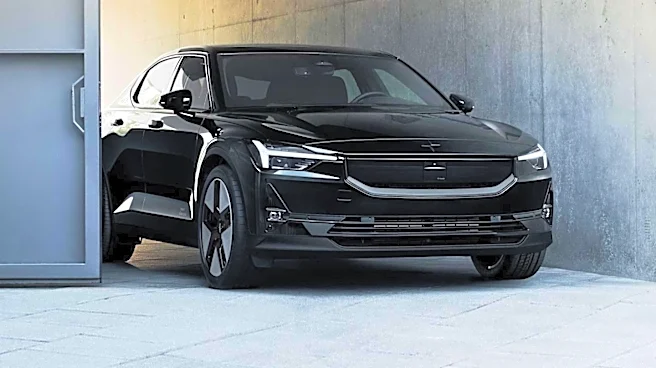
Polestar, an electric vehicle manufacturer, has been banned from selling its cars in the U.S. starting with the 2027 model year. This decision comes under a new regulation by the Commerce Department's Bureau of Industry and Security (BIS), which targets
automakers with connections to China. The rule, initially adopted in January 2025, restricts the importation and sale of vehicles equipped with connected technology linked to China, citing national security concerns. These technologies include Bluetooth, wireless internet, cellular connectivity, and some satellite communications, which could potentially collect sensitive data on American users. Polestar, majority-owned by China's Geely Holding Co., will now focus on expanding its market presence in Europe and other regions. The company has faced financial challenges, requiring capital injections from Geely, and has seen a decline in its stock value.
Why It's Important?
The ban on Polestar highlights the U.S. government's increasing scrutiny of foreign technology, particularly from China, due to national security concerns. This move could have significant implications for the automotive industry, especially for companies with Chinese ties. It underscores the geopolitical tensions affecting trade and technology sectors, potentially leading to a shift in global automotive strategies. U.S. consumers may see reduced options in the electric vehicle market, while Polestar's pivot to Europe and other regions could alter competitive dynamics in those markets. The decision also reflects broader efforts to protect sensitive data and maintain technological sovereignty.
What's Next?
Polestar plans to continue selling its existing stock of Polestar 3 and Polestar 4 vehicles in the U.S. and will maintain its service network for current customers. The company will likely increase its focus on European markets, where it has seen significant sales growth. Additionally, Volvo, a sister brand, may need to reassess its production strategies for Polestar models in light of the new U.S. regulations. The broader industry may see further regulatory actions as the U.S. continues to address national security concerns related to foreign technology.