



What's Happening?
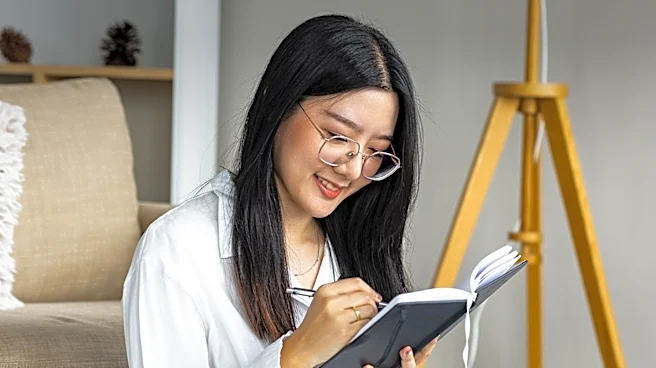
Art journaling and other creative techniques are being highlighted as effective coping skills for managing anxiety. According to Sage House Therapy, journaling helps transfer anxious thoughts from the mind onto paper, and combining it with art-making,
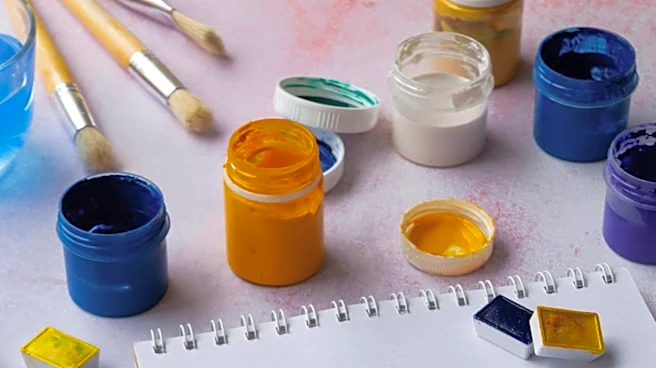
such as scribbling, doodling, or drawing, provides a unique way to express feelings. Specific techniques like 'Scribble Drawing' involve drawing a loose scribble to represent anxiety and then filling its shapes with comforting colors. Another method, 'Rhythmic Dot Release,' uses repeated movements to create dots that initially represent anxiety and then spread naturally, helping to settle into a rhythm. These creative approaches offer a means to process emotions and bring attention back to the present moment.
Why It's Important?
With an estimated 19.1% of U.S. adults experiencing an anxiety disorder in the past year, as reported by the National Institute of Mental Health, accessible and creative coping mechanisms are crucial. Art journaling provides a non-verbal and non-pharmacological avenue for individuals to manage their anxiety, offering a sense of control and expression when traditional methods might feel overwhelming. This approach can be particularly beneficial for those who struggle to articulate their feelings verbally. By engaging in creative activities, individuals can shift their focus from anxious thoughts, calm their nervous system, and develop a greater sense of self-awareness. This can lead to improved emotional regulation and a reduction in the physical symptoms of anxiety, contributing to better overall mental health outcomes.
What's Next?
As the understanding of creative coping skills for anxiety grows, there is potential for wider adoption and integration into therapeutic practices and self-help resources. Sage House Therapy encourages individuals to explore these techniques and seek professional support if needed. Future developments may include more structured art journaling prompts and workshops designed to address specific anxiety triggers or symptoms. Mental health professionals might increasingly recommend these creative methods as part of a holistic treatment plan. Educational institutions and community centers could also offer programs that teach these skills, making them more accessible to a broader population. The emphasis will likely be on empowering individuals with practical, creative tools to manage their mental well-being proactively.
Beyond the Headlines
Beyond the immediate relief from anxiety, art journaling taps into the profound connection between creativity and mental health. The act of creating, regardless of artistic skill, can be deeply meditative and cathartic, fostering a sense of accomplishment and self-worth. It allows for a symbolic representation of internal states, which can lead to deeper insights and understanding of one's emotional landscape. This process can also enhance resilience by providing a safe space to confront and transform difficult emotions. Furthermore, the tactile nature of art journaling offers a break from digital overload, encouraging a more grounded and sensory experience. This approach underscores the idea that mental health management is not solely about problem-solving but also about nurturing the creative spirit and fostering a rich inner life.