






What's Happening?
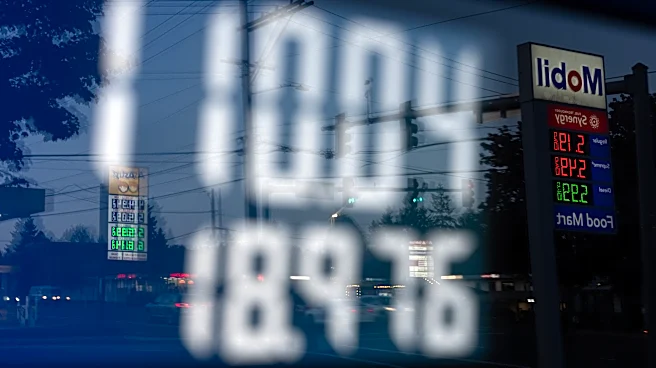
ExxonMobil and Chevron have reported a combined profit of $26.5 billion for the second quarter of 2026. This financial success comes as global gas prices have surged, partly due to geopolitical tensions, including the U.S. conflict with Iran. Chevron's
profits reached $12 billion, marking its highest quarterly profit in six years, while Exxon reported $14.5 billion. The companies have attributed their earnings to increased oil prices, which have also benefited European oil majors. The high gas prices have contributed to a broader affordability crisis in the U.S., affecting consumers' ability to purchase essential goods.
Why It's Important?
The substantial profits reported by Exxon and Chevron highlight the ongoing debate over the impact of geopolitical events on domestic economies, particularly in the energy sector. While oil companies benefit from high prices, consumers face increased financial burdens, exacerbating economic inequality. This situation has prompted calls from some political figures and advocacy groups for a windfall profits tax on oil companies to redistribute excess profits back to consumers. The issue also raises questions about energy policy and the need for investment in alternative energy sources to reduce dependency on fossil fuels.
What's Next?
As the economic impact of high gas prices continues to affect American consumers, there may be increased political pressure to address the issue through legislative measures. Proposals for a windfall profits tax could gain traction, alongside efforts to promote clean energy investments. The ongoing geopolitical tensions, particularly involving Iran, are likely to influence future oil prices and, consequently, the financial performance of oil companies. Stakeholders, including policymakers and environmental groups, will likely continue to debate the best strategies to balance economic growth with consumer protection and environmental sustainability.