

What's Happening?
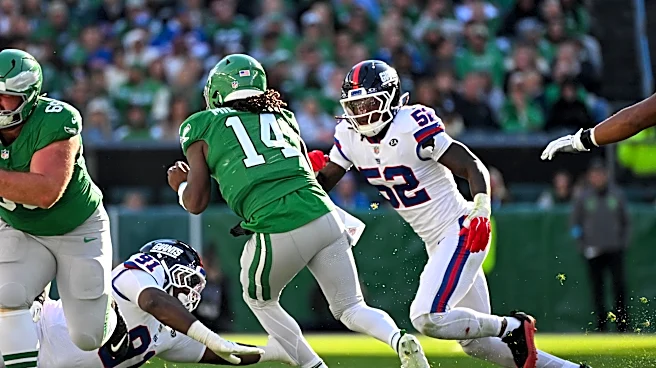
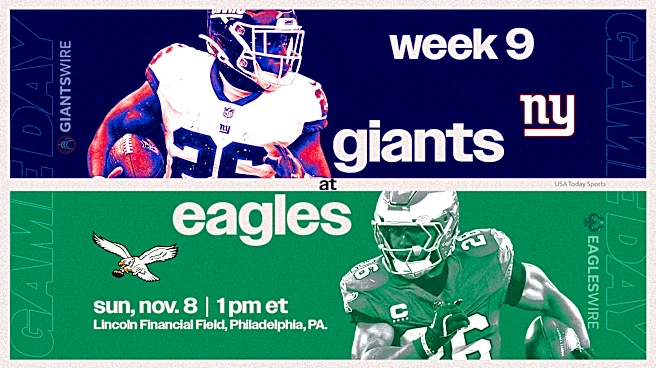
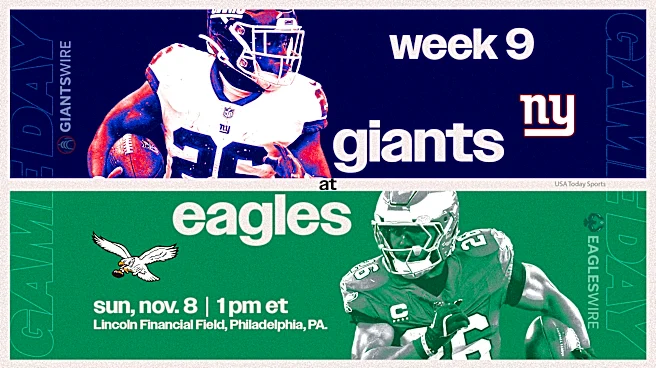
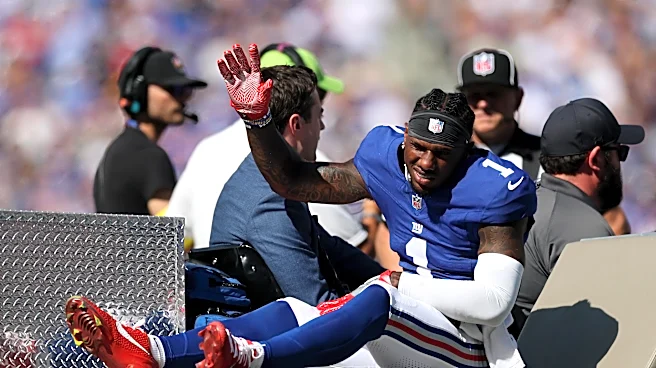
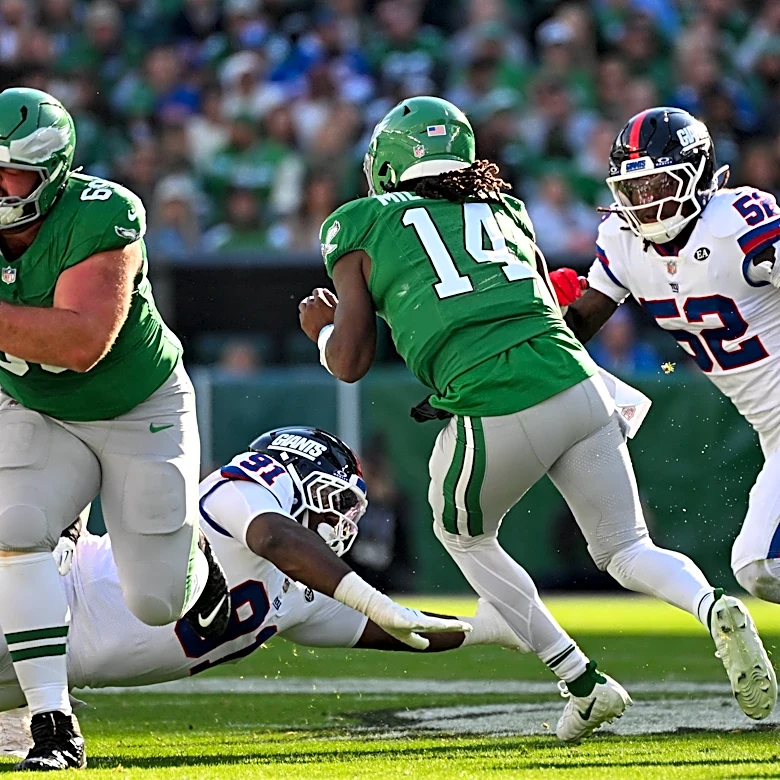
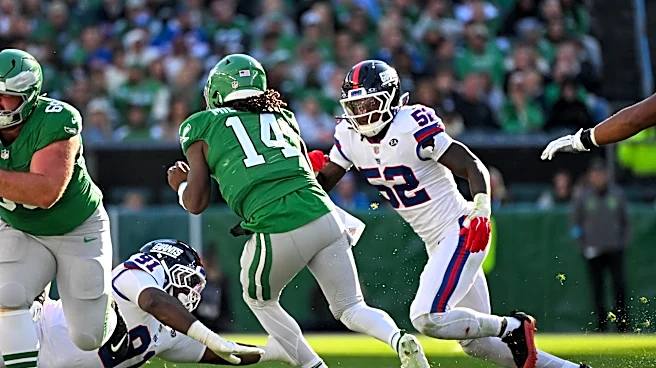
Malik Nabers, a wide receiver for the New York Giants, has publicly criticized FOX commentators Greg Olsen and Joe Davis for their on-air remarks during a recent game against the Philadelphia Eagles. Nabers took to social media to express his displeasure,
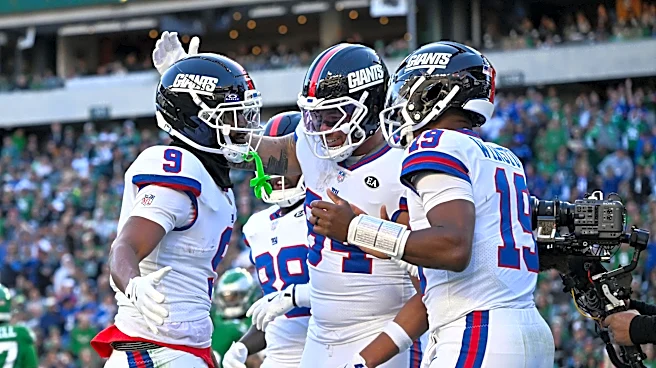
specifically addressing Olsen's commentary, which he perceived as an accusation of being a 'bad teammate.' According to the source, Nabers stated, "Yall be trying create a narrative on me soo bad it's actually crazy!! If you dnt like the way I play the game keep the camera off me!! SIMPLE! But @gregolsen88 callin me a bad teammate when every team I've been on, there's NOBODY I've played with has said dat bout me is crazy!" The commentary from Olsen and Davis focused on Nabers' body language during the game, particularly after he appeared frustrated following a dropped touchdown pass and a teammate's score. Nabers clarified that his facial expressions remain consistent regardless of game outcomes or personal performance, and he believes the network should avoid scrutinizing his demeanor if they intend to misinterpret it. This incident highlights a recurring tension between athletes and broadcast analysts regarding sideline behavior and its interpretation.
Why It's Important?
This incident is important as it underscores the growing friction between professional athletes and sports media, particularly concerning on-air commentary and its impact on a player's public image. For athletes like Malik Nabers, who are constantly under public scrutiny, perceived mischaracterizations by prominent broadcasters can be damaging to their reputation and potentially affect their relationships with fans, teammates, and even future contract negotiations. The situation also brings to light the power of broadcast narratives and how they can shape public perception, even if those narratives are based on subjective interpretations of body language rather than concrete actions. For sports networks, such controversies can lead to questions about journalistic ethics in sports commentary and the responsibility of analysts to provide fair and accurate assessments. This event could influence how athletes interact with media and how networks approach sideline reporting and player analysis in the future, potentially leading to more cautious or more direct engagement from both sides.
What's Next?
Following Malik Nabers' public statement, the immediate next steps could involve further responses from FOX Sports or the commentators involved, Greg Olsen and Joe Davis. Olsen has already clarified his comments on social media, stating he never called Nabers a 'bad teammate.' This exchange may prompt a broader discussion within sports media about the nature of live commentary and the potential for misinterpretation. It is also possible that the NFL or the Giants organization might address the situation internally, though public statements are less likely. For Nabers, the focus will likely return to his on-field performance, as he aims to let his play overshadow any off-field narratives. This incident could also lead to increased scrutiny of how other athletes' body language is portrayed in future broadcasts, potentially making commentators more mindful of their interpretations. The ongoing dialogue between athletes and media regarding portrayal and narrative control is expected to continue.
Beyond the Headlines
Beyond the immediate controversy, this event touches upon deeper ethical and cultural implications within sports broadcasting. The practice of dissecting an athlete's 'body language' often veers into subjective interpretation, raising questions about the fairness and accuracy of such analyses. There's an inherent power imbalance where commentators, often former players themselves, can shape public opinion with their observations, while current athletes have limited immediate recourse. This incident also highlights the broader cultural shift where athletes increasingly use social media platforms to directly address perceived injustices or misrepresentations, bypassing traditional media filters. This direct engagement can empower athletes but also risks escalating disputes. Long-term, this trend could lead to a re-evaluation of broadcast standards for player analysis, potentially encouraging more objective, performance-based commentary and less speculative psychological profiling. It also underscores the ongoing tension between entertainment value and journalistic integrity in sports media.